
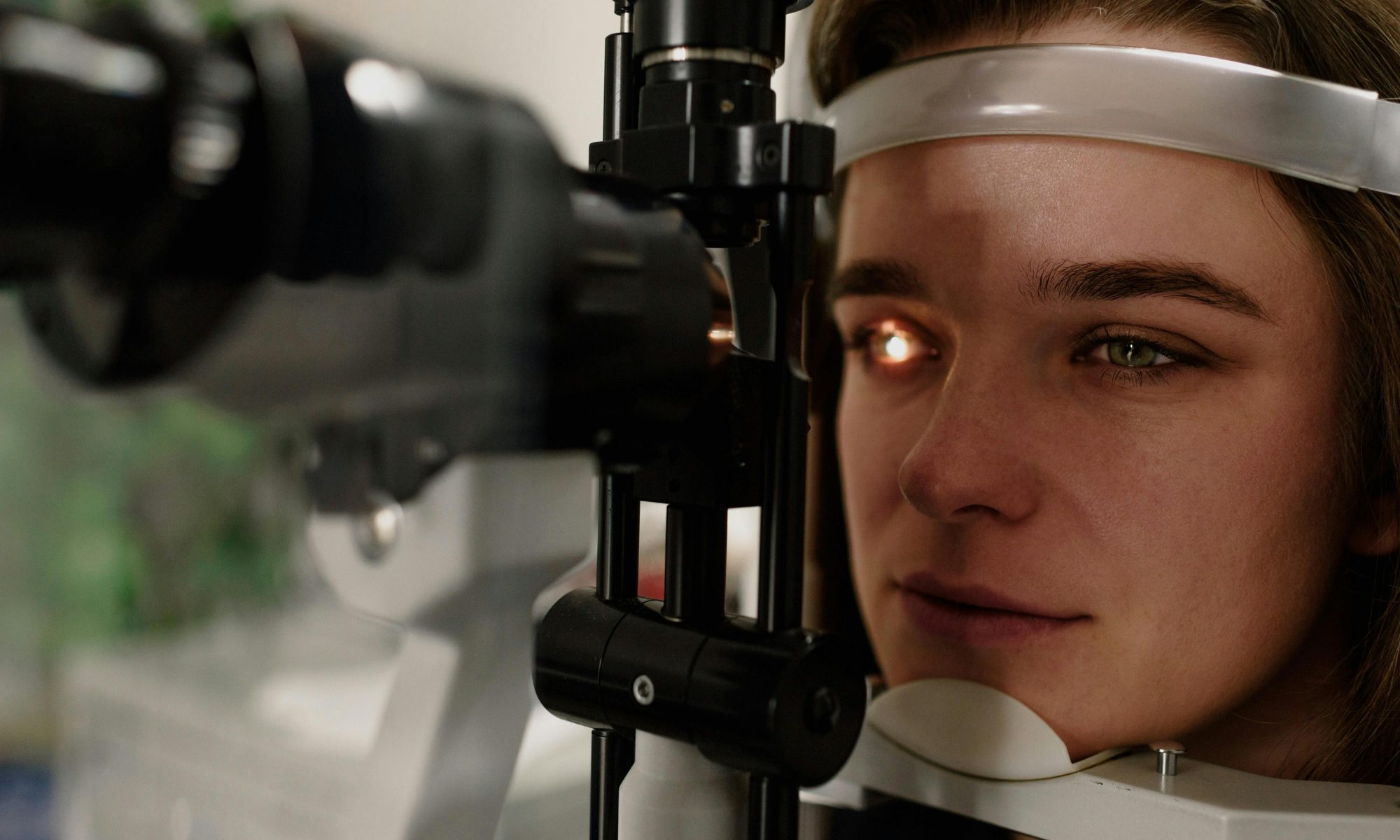
Glaucoma Drainage Device Surgery in Karachi: What to Expect

glaucoma risks for diabetics

For patients whose eye pressure remains uncontrolled despite medications or laser treatments, glaucoma drainage device surgery may be the best option. This advanced procedure helps prevent further vision loss by safely lowering intraocular pressure. If you’re considering glaucoma drainage device surgery in Karachi, understanding the process can help you feel prepared and confident.

What Is a Glaucoma Drainage Device?

A glaucoma drainage device—also known as a tube shunt or implant—is a small medical device that helps fluid drain from the eye to maintain normal pressure. It’s recommended when other treatments for glaucoma have not been successful or are no longer effective.

How the Surgery Works

During the procedure, your ophthalmic surgeon places a tiny silicone tube and plate beneath the outer layer of the eye (the conjunctiva). The tube directs excess fluid to a small reservoir, where it is absorbed naturally by surrounding tissues. This effectively reduces pressure inside the eye, protecting the optic nerve from further damage.

The surgery is usually performed under local anesthesia with mild sedation and takes about an hour. Most patients go home the same day.

Recovery and Results

After surgery, your doctor will prescribe eye drops to prevent infection and control inflammation. Vision may be slightly blurry for a few days, but it gradually improves as healing progresses. Regular follow-up visits are essential to monitor eye pressure and ensure the device is functioning properly.

With proper care, glaucoma drainage implants can control eye pressure for many years and reduce dependence on multiple medications.

If you are unsure whether your symptoms require emergency attention, it is safer to call your healthcare provider or eye clinic for advice.


With Pakistan’s internationally trained and most experienced cataract surgeons, corneal transplant surgeons and eye surgeons specializing in every single sub specialty in ophthalmology, The Eye Center – Dr. Mahnaz Naveed Shah & Associates in Karachi provides guidance for both routine and urgent eye care needs. Their team can advise whether you should schedule a screening or seek immediate attention, ensuring safety and comfort. For expert consultation, contact The Eye Center – Dr. Mahnaz Naveed Shah & Associates at 03041119544 to book an appointment.

With a proven track record of excellence in glaucoma and cataract care, Dr. Mahnaz Shah and her team are here to help you protect your vision—with confidence.
Glaucoma Surgery in Karachi: When Is It Needed?

Glaucoma is a progressive eye condition that damages the optic nerve, often due to elevated pressure inside the eye. If left untreated, it can cause irreversible vision loss. While eye drops and medications can control glaucoma in many patients, some cases require glaucoma surgery to protect vision. Understanding when surgery is needed helps patients take timely, informed action.

When Is Glaucoma Surgery Recommended?

Your ophthalmologist may recommend surgery if:

  • Eye pressure remains high despite using prescribed drops or medications
  • Laser treatments have not successfully controlled intraocular pressure (IOP)
  • You experience worsening vision or optic nerve damage
  • You cannot tolerate glaucoma medications due to side effects

Glaucoma surgery helps reduce eye pressure by improving fluid drainage or decreasing fluid production within the eye.

Types of Glaucoma Surgery

There are several modern surgical options available in Karachi:

  1. Trabeculectomy: Creates a new drainage channel to lower eye pressure.
  2. Glaucoma Drainage Implants (Tubes): Small devices inserted to help fluid flow out of the eye safely.
  3. Minimally Invasive Glaucoma Surgery (MIGS): Newer, less invasive procedures that lower pressure with faster recovery.
  4. Laser Trabeculoplasty: A laser is used to open the eye’s natural drainage pathways.

Your ophthalmologist will determine the most suitable procedure based on your specific type of glaucoma and eye health.

Why Early Intervention Matters

Glaucoma damage cannot be reversed, but surgery can prevent further vision loss. Early detection and prompt treatment are key to preserving sight and maintaining quality of life.

If you are unsure whether your symptoms require emergency attention, it is safer to call your healthcare provider or eye clinic for advice.


With Pakistan’s internationally trained and most experienced cataract surgeons, corneal transplant surgeons and eye surgeons specializing in every single sub specialty in ophthalmology, The Eye Center – Dr. Mahnaz Naveed Shah & Associates in Karachi provides guidance for both routine and urgent eye care needs. Their team can advise whether you should schedule a screening or seek immediate attention, ensuring safety and comfort. For expert consultation, contact The Eye Center – Dr. Mahnaz Naveed Shah & Associates at 03041119544 to book an appointment.

With a proven track record of excellence in glaucoma and cataract care, Dr. Mahnaz Shah and her team are here to help you protect your vision—with confidence.

Pediatric Glaucoma Treatment in Karachi: Early Signs & Care

open angle glaucoma vision loss

Pediatric glaucoma—also known as childhood glaucoma—is a rare but serious condition that can cause irreversible vision loss if not treated early. Unlike adult glaucoma, pediatric glaucoma often appears at birth (congenital) or develops during early childhood. Because children may not express discomfort clearly, recognizing early signs and accessing specialist care in Karachi is crucial for protecting their long-term vision.

Understanding Pediatric Glaucoma

Pediatric glaucoma occurs when fluid inside the eye does not drain properly, causing increased pressure that damages the optic nerve. This may be due to abnormal eye development, genetic conditions, previous eye surgery, trauma, or inflammation.

The condition progresses quickly in children, making early diagnosis essential.

Early Signs Parents Should Look For

Children cannot always describe vision problems, so parents must watch for symptoms such as:

  • Excessive tearing
  • Sensitivity to light
  • Cloudy or enlarged cornea
  • Frequent eye rubbing
  • Enlarged, “bulging” eyes (buphthalmos)
  • Poor vision or difficulty focusing

Any of these signs require immediate assessment by a pediatric ophthalmologist.

How Pediatric Glaucoma Is Diagnosed

Specialists use several tests adapted for infants and young children, including:

  • Measurement of eye pressure
  • Examination under anesthesia (if necessary)
  • Corneal examination
  • Optic nerve imaging

Early diagnosis allows treatment before significant optic nerve damage occurs.

Treatment Options in Karachi

Pediatric glaucoma usually requires surgical treatment because medications alone are often not sufficient. Options include:

• Goniotomy or trabeculotomy – Opens the eye’s drainage system to reduce pressure.
• Trabeculectomy or drainage implants – Used for advanced or complex cases.
• Medication – Sometimes combined with surgery to control pressure.

The choice depends on the child’s age, glaucoma type, and severity.

Long-Term Care and Follow-Up

Children with glaucoma need lifelong monitoring, even after successful surgery. Regular follow-up appointments ensure stable eye pressure and healthy optic nerve development.

Parents play a key role by keeping all appointments and following medication instructions carefully.

Conclusion (as provided)

If you are unsure whether your symptoms require emergency attention, it is safer to call your healthcare provider or eye clinic for advice.


With Pakistan’s internationally trained and most experienced cataract surgeons, corneal transplant surgeons and eye surgeons specializing in every single sub specialty in ophthalmology, The Eye Center – Dr. Mahnaz Naveed Shah & Associates in Karachi provides guidance for both routine and urgent eye care needs. Their team can advise whether you should schedule a screening or seek immediate attention, ensuring safety and comfort. For expert consultation, contact The Eye Center – Dr. Mahnaz Naveed Shah & Associates at 03041119544 to book an appointment.

With a proven track record of excellence in glaucoma and cataract care, Dr. Mahnaz Shah and her team are here to help you protect your vision—with confidence.
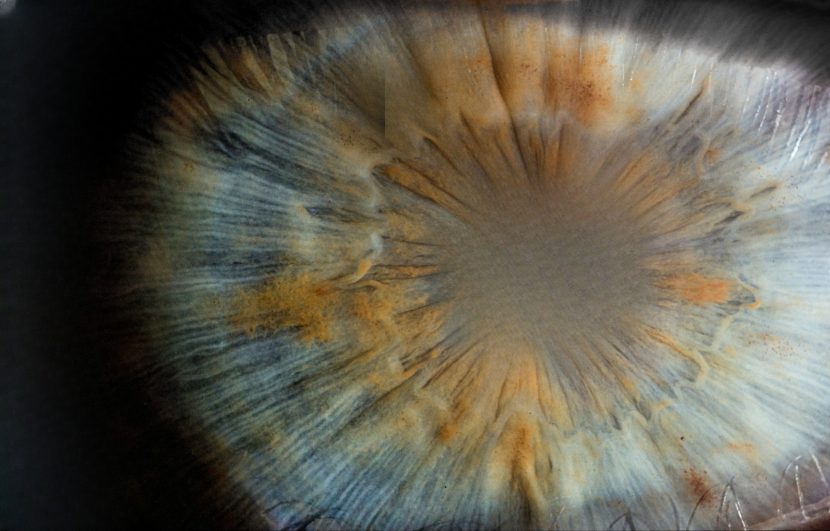
Glaucoma Symptoms in Karachi: Don’t Ignore the Warning Signs

Glaucoma is one of the leading causes of irreversible blindness worldwide — and Karachi is no exception. Unfortunately, many people don’t realize they have glaucoma until significant vision loss has already occurred. Recognizing early glaucoma symptoms in Karachi and seeking prompt medical advice can make a critical difference in preserving your sight.

Understanding Glaucoma

Glaucoma refers to a group of eye conditions that damage the optic nerve, usually due to increased pressure inside the eye. Over time, this pressure can lead to gradual loss of vision if left untreated. Because glaucoma often develops without obvious symptoms in its early stages, it is sometimes called the “silent thief of sight.”

Common Warning Signs

While early-stage glaucoma may have no noticeable signs, some people experience:

  • Blurred or hazy vision
  • Sudden eye pain or headaches
  • Seeing halos or rainbow-colored rings around lights
  • Gradual loss of peripheral (side) vision
  • Nausea or vomiting in acute cases

If you experience any of these glaucoma symptoms in Karachi, it’s essential not to delay an eye check-up. Early detection through comprehensive eye examinations is the best way to prevent permanent vision loss.

Why Early Diagnosis Matters

Glaucoma damage cannot be reversed—but timely treatment can slow or prevent further vision loss. Regular eye exams, especially for those over 40 or with a family history of glaucoma, are essential for maintaining eye health.


Expert Eye Care in Karachi

If you are unsure whether your symptoms require emergency attention, it is safer to call your healthcare provider or eye clinic for advice.

With Pakistan’s internationally trained and most experienced cataract surgeons, corneal transplant surgeons and eye surgeons specializing in every single sub specialty in ophthalmology, The Eye Center – Dr. Mahnaz Naveed Shah & Associates in Karachi provides guidance for both routine and urgent eye care needs. Their team can advise whether you should schedule a screening or seek immediate attention, ensuring safety and comfort. For expert consultation, contact The Eye Center – Dr. Mahnaz Naveed Shah & Associates at 03041119544 to book an appointment.

With a proven track record of excellence in glaucoma and cataract care, Dr. Mahnaz Shah and her team are here to help you protect your vision—with confidence.
Glaucoma Treatment in Karachi: Preserving Your Vision

Glaucoma is a serious eye condition that can lead to permanent vision loss if left untreated. Known as the “silent thief of sight,” glaucoma often progresses without noticeable symptoms until significant damage has already occurred. Fortunately, with timely glaucoma treatment in Karachi, patients can protect their eyesight and maintain a good quality of life.


Understanding Glaucoma

Glaucoma is caused by increased pressure within the eye (intraocular pressure) that damages the optic nerve. There are several types, including open-angle, angle-closure, and secondary glaucoma. Regular eye exams are essential because early stages typically have no symptoms.

Modern Glaucoma Treatments

The goal of glaucoma treatment is to lower eye pressure and prevent further damage to the optic nerve. Treatment plans are customized for each patient and may include:

  • Prescription eye drops: Often the first line of treatment, these help reduce eye pressure.
  • Oral medications: Used when eye drops alone are not sufficient.
  • Laser therapy: A minimally invasive option to improve fluid drainage from the eye.
  • Surgical procedures: In advanced cases, surgeries like trabeculectomy or tube shunt implantation may be recommended to control eye pressure effectively.

Access to specialized glaucoma care in Karachi means patients benefit from modern diagnostic tools, experienced surgeons, and individualized treatment strategies.

Benefits of Early Detection and Ongoing Care

Early detection is key to preserving vision. Regular screenings allow for prompt intervention, often before vision loss occurs. With consistent treatment and follow-up, most patients can manage their glaucoma successfully for many years.

Recovery and Long-Term Management

Glaucoma is a chronic condition that requires lifelong monitoring. Patients must use medications consistently, attend regular follow-ups, and report any changes in vision. Adhering to the treatment plan helps maintain stable eye pressure and prevent progression.


If you are unsure whether your symptoms require emergency attention, it is safer to call your healthcare provider or eye clinic for advice.

With Pakistan’s internationally trained and most experienced cataract surgeons, corneal transplant surgeons and eye surgeons specializing in every single sub specialty in ophthalmology, The Eye Center – Dr. Mahnaz Naveed Shah & Associates in Karachi provides guidance for both routine and urgent eye care needs. Their team can advise whether you should schedule a screening or seek immediate attention, ensuring safety and comfort. For expert consultation, contact The Eye Center – Dr. Mahnaz Naveed Shah & Associates at 03041119544 to book an appointment.

With a proven track record of excellence in glaucoma and cataract care, Dr. Mahnaz Shah and her team are here to help you protect your vision—with confidence.
Surgical vs Non-Surgical Glaucoma Treatments in Karachi

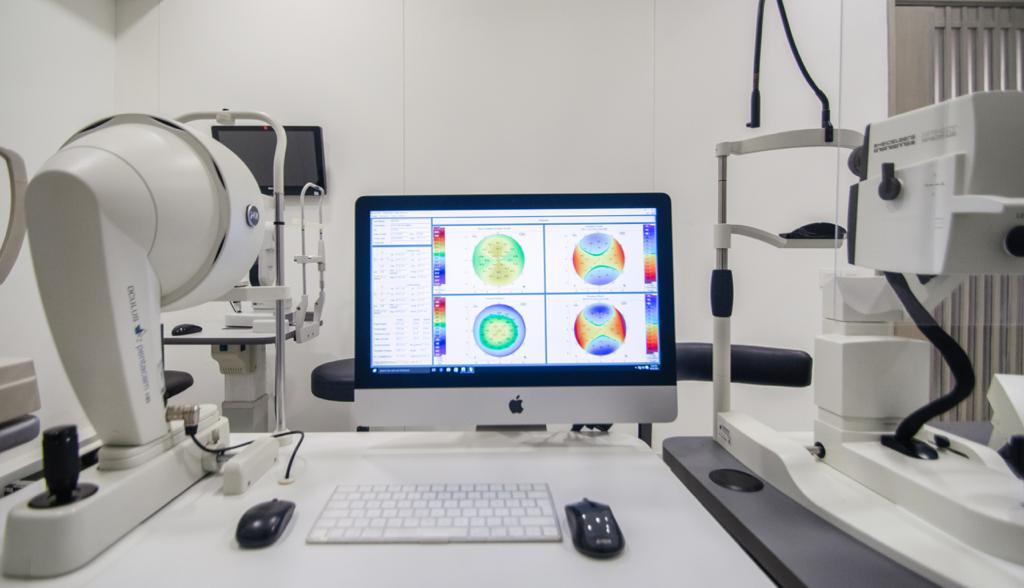
Glaucoma is a condition where increased intraocular pressure damages the optic nerve, risking vision loss over time. In Karachi, patients have access to both non-surgical and surgical treatment options. Choosing between them depends on how advanced the disease is, how well other treatments have worked, and your overall health and preferences. Here’s a guide to the main types of glaucoma treatments available, especially in a setting like The Eye Center – Dr. Mahnaz Naveed Shah & Associates.


Non-Surgical Treatment Options

Non-surgical glaucoma treatments are typically the first line of action. They’re less invasive and often reversible, with fewer immediate risks. Key methods include:

  • Medications: Prescription eye drops or oral medications to lower fluid production or increase drainage. Regular use, correct technique, and follow-ups are essential.
  • Laser treatments: Including Selective Laser Trabeculoplasty (SLT), Argon Laser Trabeculoplasty (ALT), and newer modalities. These non-invasive or minimally invasive laser procedures help improve drainage through the eye’s natural channels.

Advantages:

  • Lower risk compared to surgery
  • Usually outpatient / clinic-based
  • Quicker recovery
  • Can reduce or delay need for surgery

Limitations:

  • May be less effective in advanced glaucoma
  • Effectiveness may diminish over time; repeat treatment or additional interventions may be needed
  • Side effects from medications or temporary laser effects may occur

Surgical Treatment Options

When non-surgical treatments are insufficient, or if glaucoma is advanced, surgery becomes an option. In Karachi, skilled ophthalmic surgeons can offer:

  • Traditional surgeries:
    • Trabeculectomy – creating a new drainage route by making a flap in the sclera and allowing fluid to exit under the conjunctiva, forming a filtering bleb.
    • Tube-shunt / drainage device implantation – inserting a small tube or valve to divert excess fluid.
  • Minimally Invasive Glaucoma Surgery (MIGS):
    Less aggressive surgical options involving smaller incisions, faster recovery, and reduced risk of complications. MIGS may involve micro-stents, micro-shunts, or devices that help fluid drainage with less tissue disturbance.

Advantages:

  • Greater reduction in intraocular pressure (IOP) — helpful in advanced disease
  • Reduced dependence on medications
  • MIGS options offer a balance: more pressure lowering than non-surgical, but less risk than full surgery

Risks / Considerations:

  • Possible complications: infection, bleeding, low pressure (hypotony), scarring, or cataract formation
  • Longer recovery periods for more invasive surgeries
  • Careful follow-ups required; sometimes revisions are needed

Which Should You Choose?

  • Non-surgical treatment is often tried first—medication and/or laser—especially in early or moderate glaucoma.
  • If IOP remains uncontrolled, optic nerve damage progresses, or medications cause intolerable side effects, surgical options may be recommended.
  • MIGS may be considered earlier in suitable patients because of favorable risk profiles.

If you are unsure whether your symptoms require emergency attention, it is safer to call your healthcare provider or eye clinic for advice.

With Pakistan’s internationally trained and most experienced cataract surgeons, corneal transplant surgeons and eye surgeons specializing in every single sub specialty in ophthalmology, The Eye Center – Dr. Mahnaz Naveed Shah & Associates in Karachi provides guidance for both routine and urgent eye care needs. Their team can advise whether you should schedule a screening or seek immediate attention, ensuring safety and comfort. For expert consultation, contact The Eye Center – Dr. Mahnaz Naveed Shah & Associates at 03041119544 to book an appointment.

With a proven track record of excellence in glaucoma and cataract care, Dr. Mahnaz Shah and her team are here to help you protect your vision—with confidence.
Glaucoma Medications in Karachi: Types, Side Effects & Proper Use

Glaucoma is a serious eye condition that can lead to vision loss if not managed properly. Medication is often the first line of defence. In Karachi, The Eye Center – Dr. Mahnaz Naveed Shah & Associates offers expert guidance on choosing the right drugs, managing side effects, and using them correctly to protect your eyesight.


Types of Glaucoma Medications

Here are the major classes of medications used to lower intraocular pressure (IOP):

  • Prostaglandin analogs (e.g. latanoprost, travoprost, bimatoprost). These increase fluid outflow from the eye.
  • Beta-blockers (e.g. timolol, betaxolol). These reduce the amount of fluid the eye produces.
  • Alpha-adrenergic agonists (e.g. brimonidine, apraclonidine). They both reduce fluid production and increase drainage.
  • Carbonic anhydrase inhibitors (CAIs) (e.g. dorzolamide, brinzolamide). Available as eye drops and sometimes tablets.
  • Rho kinase inhibitors (relatively newer class; e.g. netarsudil). They improve drainage of fluid.
  • Miotic (cholinergic) agents (like pilocarpine). Less commonly used now due to more frequent dosing and side effects.

Often, combination medications (two types in one drop) are used to improve effectiveness and simplify schedules.


Common Side Effects

With all medications, there are possible side effects — some local (eye-related), others systemic (affecting the whole body). Being aware helps you manage them and recognise when to alert a doctor.

ClassTypical Ocular Side EffectsPossible Systemic Effects / Other Concerns
Prostaglandin analogsRedness, stinging, eyelash growth, darkening of iris or eyelid skin, blurred vision Rare inflammation, possible impact in pigmentation changes etc.
Beta-blockersDryness, stinging, redness of eye Slow heart rate, low blood pressure, breathing difficulties especially in asthma or lung disease
Alpha agonistsBurning or stinging, dry mouth or nose, redness, eye irritation Fatigue, drowsiness, possible allergic reactions
Carbonic anhydrase inhibitorsStinging, bitter taste, blurred vision, sometimes corneal irritation When used orally: tingling, frequent urination, metabolic changes, kidney issues
Rho kinase inhibitorsRedness, discomfort, possible deposits on cornea, eye irritation Generally mild systemic effects; still newer so long-term data is growing
MioticsHeadache, blurred vision, dim vision in low light, risk of cataract in long-term use Usually local side effects; systemic less common

How to Use Glaucoma Medications Properly

To get the best effect and reduce side effects:

  1. Follow your doctor’s schedule — some drops once daily, others two or more times a day. Missing doses can reduce effectiveness.
  2. Drop technique matters: Tilt head, pull down lower lid, instill drop without touching eye. Close eye for 1-2 minutes, and press on tear duct (near the nose) to reduce systemic absorption. Wipe off excess.
  3. Space different drops: If using more than one type, wait at least 5 minutes between different drops.
  4. Monitor side effects: If you feel breathing issues, heart changes, extreme irritation, or other concerning symptoms, inform your ophthalmologist.
  5. Keep check-ups and IOP monitoring: Regular exams help ensure treatment is working and side-effects are manageable.

If you are unsure whether your symptoms require emergency attention, it is safer to call your healthcare provider or eye clinic for advice.

With Pakistan’s internationally trained and most experienced cataract surgeons, corneal transplant surgeons and eye surgeons specializing in every single sub specialty in ophthalmology, The Eye Center – Dr. Mahnaz Naveed Shah & Associates in Karachi provides guidance for both routine and urgent eye care needs. Their team can advise whether you should schedule a screening or seek immediate attention, ensuring safety and comfort. For expert consultation, contact The Eye Center – Dr. Mahnaz Naveed Shah & Associates at 03041119544 to book an appointment.

With a proven track record of excellence in glaucoma and cataract care, Dr. Mahnaz Shah and her team are here to help you protect your vision—with confidence.
SLT in Karachi: Non-Invasive Glaucoma Treatment Guide

Glaucoma, especially open-angle glaucoma, is a leading cause of vision loss worldwide. If medications are not enough, or are causing side effects, Selective Laser Trabeculoplasty (SLT) offers a non-invasive, effective alternative. Here’s what Karachi patients should know about SLT at The Eye Center – Dr. Mahnaz Naveed Shah & Associates.


What Is SLT?

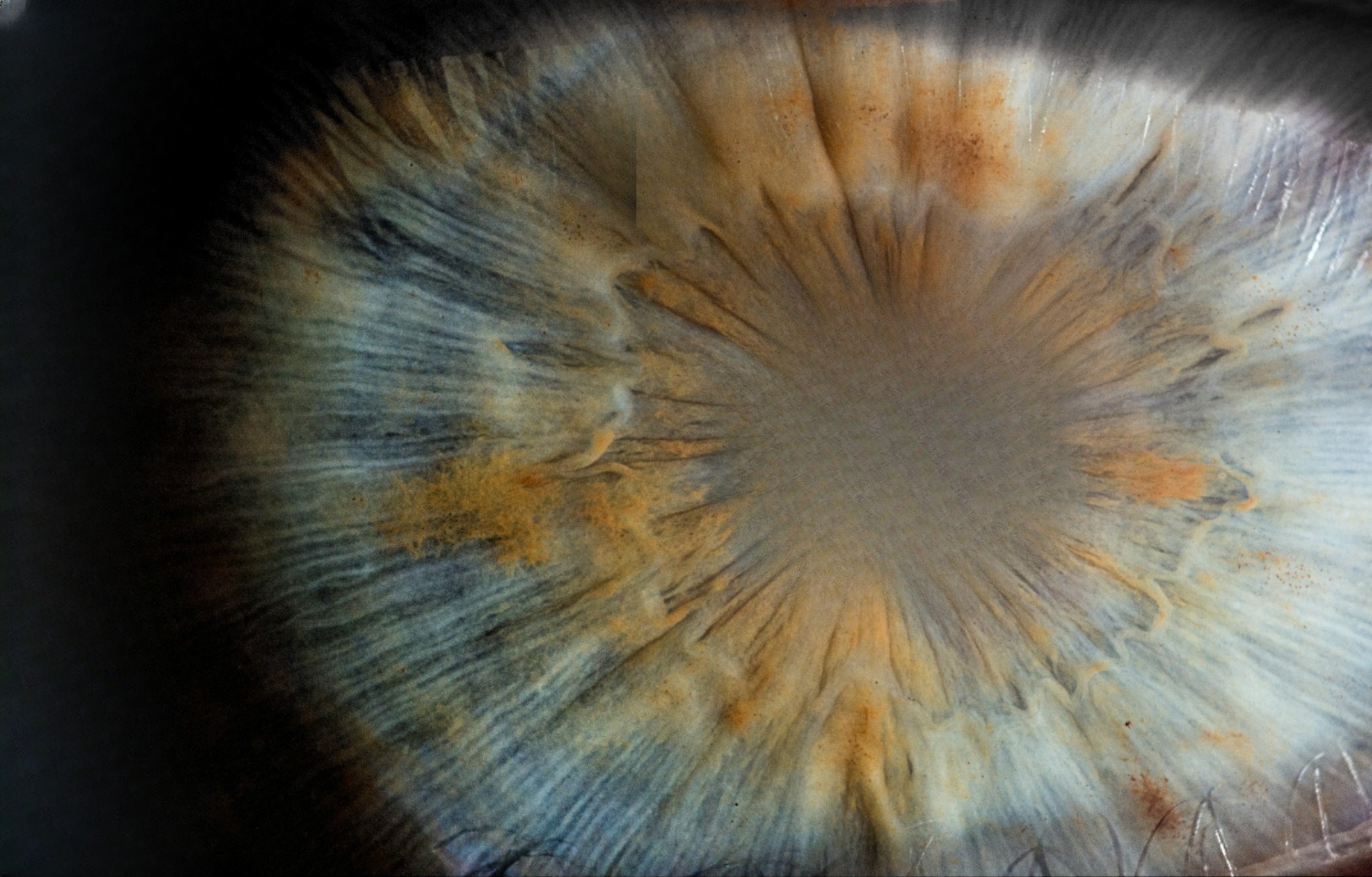
Selective Laser Trabeculoplasty is a laser procedure that improves your eye’s natural drainage system (the trabecular meshwork). By gently targeting pigmented cells in that drainage pathway, SLT stimulates them to work more efficiently so fluid (aqueous humour) can exit the eye more freely, lowering intraocular pressure (IOP).


Who Is a Good Candidate?

SLT is suited for:

  • Patients with open-angle glaucoma.
  • Those who haven’t achieved sufficient IOP control with drops.
  • Patients wishing to reduce dependence on glaucoma medications, perhaps due to side effects or compliance issues.

Procedure & Recovery

The procedure is outpatient and brief. First, your eye is numbed using drops. A special lens is placed, and then low-energy laser pulses are applied to the trabecular meshwork. You may hear clicking noises or see flashes.

After treatment, mild side effects like redness, slight discomfort, blurred vision or sensitivity to light may occur, usually lasting a few hours to a couple of days. An anti-inflammatory drop might be prescribed. Eye pressure will be monitored, as there is a small risk of temporary pressure rise.


Benefits of SLT

  • Non-invasive: No cuts or stitches; more comfortable and lower risk than surgery.
  • Effective: Can reduce IOP by about 20–30% in many cases.
  • Repeatable: If pressure rises later, SLT may be performed again.
  • Reduced reliance on medications: Helps when drops cause side effects or are difficult to manage.

Risks & Considerations

While SLT is relatively safe, there are risks:

  • Temporary increase in eye pressure immediately after the procedure.
  • Mild inflammation, redness or blurring. Usually resolves with treatment.
  • Rarely more serious complications, but these are very rare.

Why Choose The Eye Center in Karachi

At The Eye Center – Dr. Mahnaz Naveed Shah & Associates, you receive care from internationally trained ophthalmologists specializing in advanced glaucoma therapies. The clinic has the laser technology, experience, and follow-up protocols needed to ensure safety and maximize outcomes. For patients in Karachi, this means access to SLT in a trusted setting.


If you are unsure whether SLT is suitable for you, or whether your symptoms require urgent attention, call your eye clinic for advice.

With Pakistan’s internationally trained and most experienced cataract surgeons, corneal transplant surgeons and eye surgeons specializing in every single sub specialty in ophthalmology, The Eye Center – Dr. Mahnaz Naveed Shah & Associates in Karachi provides guidance for both routine and urgent eye care needs. Their team can advise whether you should schedule a screening or seek immediate attention, ensuring safety and comfort. For expert consultation, contact The Eye Center – Dr. Mahnaz Naveed Shah & Associates at 03041119544 to book an appointment.

With a proven track record of excellence in glaucoma and cataract care, Dr. Mahnaz Shah and her team are here to help you protect your vision—with confidence.

Glaucoma Medication Management in Karachi for Pressure Control

Glaucoma is a chronic eye condition caused by damage to the optic nerve, usually due to high intraocular pressure (IOP). Since the vision loss from glaucoma is irreversible, the primary goal of treatment is to control eye pressure and prevent further damage. For many patients, the first line of defense is medication management. With expert care now available in Karachi, patients can access the latest medicines and monitoring strategies to maintain healthy vision for life.

Why Medications Are Important

Glaucoma medications help lower eye pressure by either reducing the amount of fluid produced in the eye or improving its drainage. Consistent use of these medicines is essential, as irregular treatment can allow IOP to rise and cause permanent vision damage.

Types of Glaucoma Medications

Common classes of glaucoma eye drops and medications include:

  • Prostaglandin Analogues: Increase fluid outflow and are usually prescribed once daily.
  • Beta-Blockers: Reduce fluid production inside the eye.
  • Alpha Agonists: Both lower fluid production and increase drainage.
  • Carbonic Anhydrase Inhibitors: Available as drops or oral medicines to reduce fluid buildup.
  • Combination Drops: Simplify treatment by combining two medicines in one bottle.

The choice of medication depends on the type of glaucoma, the patient’s medical history, and how well eye pressure responds to initial therapy.

Challenges in Medication Management

  • Side Effects: Some patients may experience redness, stinging, or systemic effects.
  • Compliance: Missing doses reduces effectiveness.
  • Cost and Availability: Long-term use requires careful planning and consistent supply.

Regular follow-up with an eye specialist is crucial to adjust medications, monitor side effects, and ensure that eye pressure remains within the target range.

Glaucoma Medication Care in Karachi

With internationally trained glaucoma specialists, Karachi patients benefit from personalized treatment plans, advanced diagnostics, and long-term monitoring. Medication management remains the cornerstone of glaucoma care for many, delaying or even avoiding the need for surgery.


If you are unsure whether your symptoms require emergency attention, it is safer to call your healthcare provider or eye clinic for advice.
With Pakistan’s internationally trained and most experienced cataract surgeons , corneal transplant surgeons and eye surgeons specializing in every single sub specialty in ophthalmology, The Eye Center – Dr. Mahnaz Naveed Shah & Associates in Karachi provides guidance for both routine and urgent eye care needs. Their team can advise whether you should schedule a screening or seek immediate attention, ensuring safety and comfort. For expert consultation, contact The Eye Center – Dr. Mahnaz Naveed Shah & Associates at 03041119544 to book an appointment.

With a proven track record of excellence in glaucoma and cataract care, Dr. Mahnaz Shah and her team are here to help you protect your vision—with confidence.

Angle-Closure Glaucoma Treatment in Karachi: Emergency Eye Glaucoma Treatment in Karachi

Angle-closure glaucoma is a serious eye emergency that occurs when the drainage angle of the eye becomes suddenly blocked, causing a rapid rise in intraocular pressure (IOP). Without immediate treatment, this condition can lead to permanent vision loss within hours or days. Recognizing the symptoms and seeking urgent care is critical. In Karachi, patients now have access to emergency glaucoma services, including laser and surgical interventions performed by experienced specialists.

Symptoms of Angle-Closure Glaucoma

This condition often develops suddenly and may present with:

  • Severe eye pain
  • Blurred or sudden vision loss
  • Halos around lights
  • Nausea and vomiting
  • Redness in the affected eye
  • Headache, often on the same side as the painful eye

If you or a loved one experience these symptoms, it is essential to seek emergency care without delay.

Immediate Treatment Options

Specialized eye clinics in Karachi provide advanced treatments for angle-closure glaucoma:

  • Laser Iridotomy: A quick laser procedure that creates a small opening in the iris to allow fluid to flow freely, relieving pressure.
  • Medications: Intravenous or oral medicines may be used temporarily to lower pressure before definitive treatment.
  • Surgical Interventions: In rare cases where laser treatment is not sufficient, surgical procedures may be performed to stabilize eye pressure.

Why Urgent Care Matters

Unlike open-angle glaucoma, which progresses slowly, angle-closure glaucoma is a true emergency. Delays in treatment can cause irreversible optic nerve damage and blindness. With round-the-clock availability of glaucoma specialists in Karachi, patients can receive immediate diagnosis and treatment, ensuring the best possible outcomes.

Emergency Glaucoma Care in Karachi

With internationally trained glaucoma experts and advanced laser technology, patients in Karachi can access world-class emergency eye care any time of day or night. Rapid intervention not only relieves pain but also saves vision.

If you are unsure whether your symptoms require emergency attention, it is safer to call your healthcare provider or eye clinic for advice.
With Pakistan’s internationally trained and most experienced cataract and glaucoma specialists, The Eye Center – Dr. Mahnaz Naveed Shah & Associates in Karachi provides 24/7 emergency care for urgent cases such as angle-closure glaucoma. Their team can advise whether you need immediate treatment or an urgent visit. For expert consultation, or to book an appointment, contact The Eye Center – Dr. Mahnaz Naveed Shah & Associates at 03041119544.
With a strong record in glaucoma and cataract treatment, Dr. Mahnaz Shah and her team are here to help you protect your vision—with confidence.