
Surgical Glaucoma Options: What You Need to Know

When Is Glaucoma Surgery Needed?

Glaucoma damages the optic nerve, often due to high eye pressure. If medications or laser treatments fail to control this pressure, surgery may be necessary. The goal is to reduce pressure and prevent further vision loss.

Common Surgical Options for Glaucoma

Trabeculectomy
This common procedure creates a small flap in the eye’s white part (sclera). It allows fluid to drain, reducing pressure. Fluid collects in a hidden reservoir called a bleb. Proper post-op care is essential to prevent infection and ensure healing.

Glaucoma Drainage Implants
For severe glaucoma or failed surgeries, a tiny tube can be inserted. This tube helps drain excess fluid, lowering eye pressure. It’s often used when other treatments aren’t suitable.

Minimally Invasive Glaucoma Surgery (MIGS)
MIGS uses tiny incisions and microscopic tools to improve fluid drainage. It’s less invasive than traditional surgery. Recovery is faster, with fewer complications. MIGS is ideal for mild to moderate glaucoma.

Laser Surgery
Laser treatments like Selective Laser Trabeculoplasty (SLT) improve drainage by targeting specific cells. Cyclophotocoagulation reduces fluid production. Both are outpatient procedures with minimal recovery time.

What to Expect After Surgery

Recovery varies by procedure. Most patients return to normal activities within days or weeks. Use prescribed eye drops to prevent infection and inflammation. Regular follow-ups are crucial to monitor healing and pressure levels.

Choosing the Right Option

The best procedure depends on your glaucoma type, severity, and overall eye health. Your doctor will explain the benefits and risks of each option. This helps you make an informed decision.

If you notice sudden vision changes or severe eye pain, contact your eye care provider immediately. Early intervention is vital for protecting your sight.


At The Eye Center – Dr. Mahnaz Naveed Shah & Associates in Karachi, patients benefit from the care of internationally trained specialists across every sub-specialty of ophthalmology. Led by Dr. Mahnaz Naveed Shah, a highly experienced and dedicated glaucoma specialist with extensive training in advanced eye care, the team provides trusted support for both routine check-ups and urgent eye conditions. They will guide you on whether you need a screening, further investigation, or immediate treatment, always with your safety and comfort in mind. For expert consultation, contact 0304-111-9544 to book an appointment.

With a strong record of excellence in glaucoma and cataract care, Dr. Mahnaz Shah and her team remain committed to helping you protect your vision—with confidence.
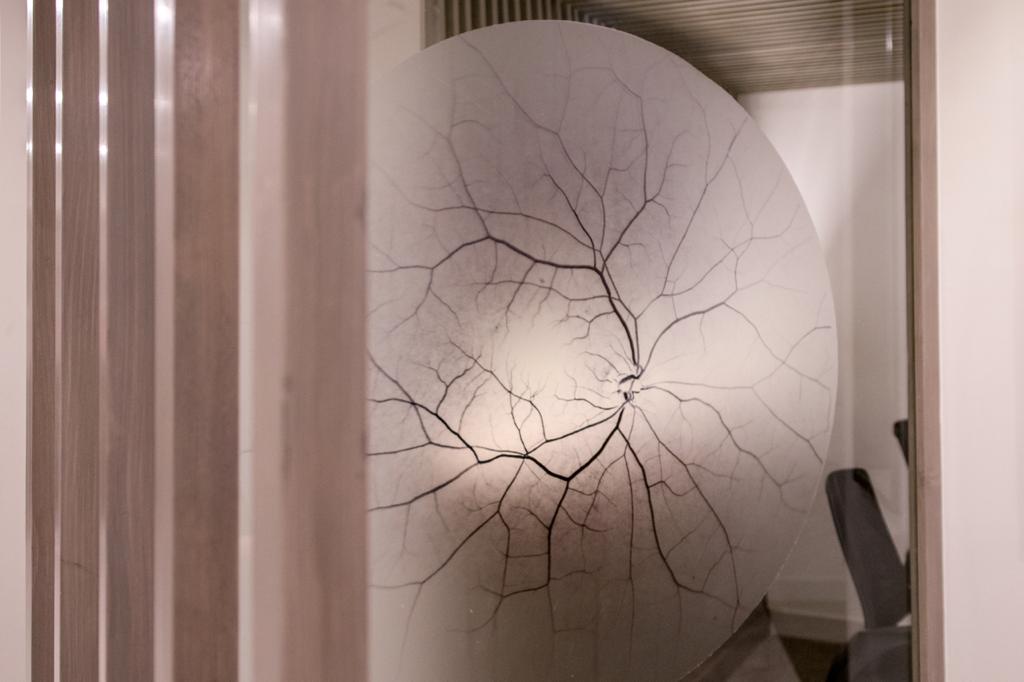

Surgical Glaucoma Options: Restoring Eye Health and Vision

Glaucoma is a progressive eye disease that damages the optic nerve, often due to elevated intraocular pressure (IOP). While medications and laser therapies can help manage glaucoma, surgery is sometimes necessary to lower eye pressure and prevent vision loss. If you or a loved one are considering surgical intervention, understanding the available options can help you make an informed decision.

When Is Glaucoma Surgery Recommended?

Surgical intervention is typically recommended when medications and laser treatments fail to control eye pressure adequately, or if glaucoma progresses despite these measures. Surgery aims to create new drainage pathways for fluid within the eye, reducing pressure and protecting the optic nerve from further damage. Your ophthalmologist will assess your condition and recommend the most suitable procedure based on the type and severity of your glaucomaglance.eyesoneyecare.com.

Surgical Glaucoma Options: Restoring Eye Health

Glaucoma can quietly damage your vision by increasing pressure inside your eye. If medications or laser treatments aren’t enough, surgery may be the best way to protect your sight. Understanding your surgical options helps you make the right choice for your eye health.

Why Consider Glaucoma Surgery?

Surgery becomes necessary when other treatments fail to control eye pressure effectively. The goal is simple: create new ways for fluid to drain from your eye, reducing pressure and preventing further damage to your optic nerve. Your eye doctor will recommend surgery based on how advanced your glaucoma is and how well other treatments have worked for youglance.eyesoneyecare.com.

Your Surgical Options

Several procedures can help manage glaucoma. Here’s what you should know:

  • Trabeculectomy: This traditional surgery creates a small drainage flap in your eye, allowing fluid to escape and lowering pressure. It’s often used for advanced glaucoma and has a strong track record of success.
  • Minimally Invasive Glaucoma Surgery (MIGS): MIGS uses tiny stents or implants to improve fluid drainage with less risk and faster recovery. Newer options, like the VisiPlate implant, offer effective, long-term pressure control with fewer side effectsglance.eyesoneyecare.com.
  • Tube Shunt Surgery: A small tube is placed in your eye to redirect fluid to a safe area. This option is useful for complex cases where other surgeries haven’t worked.
  • Cyclophotocoagulation: This laser procedure reduces fluid production in the eye. It’s usually reserved for severe cases or when other surgeries aren’t suitable.

Recovering from Surgery

Recovery depends on the procedure. You might experience mild discomfort, redness, or blurred vision for a few days. Your doctor will give you eye drops to prevent infection and inflammation. Regular follow-up visits ensure your eye heals properly and pressure stays under controlglance.eyesoneyecare.com.

The Benefits of Surgery

Glaucoma surgery can lower eye pressure, slow disease progression, and reduce your need for daily medications. While it won’t reverse existing damage, it can help preserve the vision you have left and improve your quality of life.

Which Option Is Right for You?

The best procedure depends on your type of glaucoma, overall eye health, and lifestyle. Your ophthalmologist will explain the risks and benefits of each option, helping you decide what’s best for your situation.


If you are unsure whether your symptoms require emergency attention, it is safer to call your healthcare provider or eye clinic for advice. With Pakistan’s internationally trained and most experienced cataract surgeons, corneal transplant surgeons, and eye surgeons specializing in every single subspecialty in ophthalmology, The Eye Center – Dr. Mahnaz Naveed Shah & Associates in Karachi provides guidance for both routine and urgent eye care needs. Their team can advise whether you should schedule a screening or seek immediate attention, ensuring safety and comfort. For expert consultation, contact The Eye Center – Dr. Mahnaz Naveed Shah & Associates at 03041119544 to book an appointment.

With a proven track record of excellence in glaucoma and cataract care, Dr. Mahnaz Shah and her team are here to help you protect your vision—with confidence.
Minimally Invasive Glaucoma Surgery (MIGS): A Gentle Modern Option

Minimally Invasive Glaucoma Surgery, often called MIGS, is a modern approach to glaucoma treatment. It helps lower eye pressure while causing less disruption to the eye. Doctors developed MIGS to provide safer surgical options for patients with early to moderate glaucoma.

Glaucoma damages the optic nerve over time. High eye pressure is the most common cause. Doctors usually begin treatment with eye drops or laser therapy. When these options do not provide enough pressure control, surgery may be needed. MIGS offers a gentler alternative to traditional glaucoma surgery.

How MIGS Works to Lower Eye Pressure

MIGS procedures improve the natural drainage of fluid from the eye. Surgeons perform the procedure through very small incisions. This approach limits tissue damage and supports faster healing.

Because MIGS works with the eye’s natural drainage system, it reduces pressure in a controlled and predictable way. Surgeons often perform MIGS at the same time as cataract surgery, which allows patients to address two conditions in one procedure.

Why MIGS Is Considered a Gentler Option

MIGS procedures have a strong safety profile. Patients usually experience less discomfort and a quicker recovery. Serious complications occur far less often than with traditional glaucoma surgery.

Many patients also reduce their dependence on daily eye drops after MIGS. This improvement can make long-term glaucoma care easier and more comfortable.

Who Can Benefit from MIGS?

MIGS works best for patients with mild to moderate glaucoma. It is especially helpful for people who struggle with daily eye drops or experience medication side effects. Patients with advanced glaucoma may still need more traditional surgery.

A detailed eye examination helps determine whether MIGS is suitable. This evaluation includes eye pressure testing, optic nerve assessment, and imaging studies.

Managing Glaucoma with Modern Care

MIGS does not cure glaucoma. However, it plays an important role in slowing disease progression. When doctors choose the right procedure at the right time, MIGS can help protect vision and improve quality of life.

Modern glaucoma care focuses on personalized treatment. MIGS reflects this approach by balancing effectiveness with safety.


If you are unsure whether your symptoms require emergency attention, it is safer to call your healthcare provider or eye clinic for advice.

At The Eye Center – Dr. Mahnaz Naveed Shah & Associates in Karachi, patients benefit from the care of internationally trained specialists across every sub-specialty of ophthalmology. Led by Dr. Mahnaz Naveed Shah, a highly experienced and dedicated glaucoma specialist with extensive training in advanced eye care, the team provides trusted support for both routine check-ups and urgent eye conditions. They will guide you on whether you need a screening, further investigation, or immediate treatment, always with your safety and comfort in mind. For expert consultation, contact 0304-111-9544 to book an appointment.

With a proven track record of excellence in glaucoma and cataract care, Dr. Mahnaz Shah and her team are here to help you protect your vision—with confidence.

What Is Glaucoma? A Clear Definition for Patients

Glaucoma is a chronic eye disease that damages the optic nerve, the structure responsible for sending visual information from the eye to the brain. This damage is most often linked to increased pressure inside the eye, although it can also occur with normal eye pressure. If not treated early, this condition can lead to permanent vision loss and, in severe cases, blindness.

What makes glaucoma particularly dangerous is that it often develops slowly and without obvious symptoms. Many people do not realize they have the condition until significant vision has already been lost. For this reason, glaucoma is frequently described as the “silent thief of sight.”

How Glaucoma Affects Vision

In most types of glaucoma, fluid inside the eye does not drain properly. As pressure builds, it gradually damages the optic nerve. Vision loss usually begins in the peripheral, or side, vision and progresses inward over time. Because central vision often remains clear in the early stages, patients may not notice any changes until the disease is advanced.

Once vision is lost from glaucoma, it cannot be restored. However, early diagnosis and proper treatment can slow or stop further damage.

Who Is at Risk of Glaucoma?

Glaucoma can affect anyone, but certain factors increase risk. These include age over 40, a family history of glaucoma, diabetes, high eye pressure, severe short-sightedness, and long-term steroid use. In Pakistan, late diagnosis is common, making routine eye screening especially important.

Why Early Detection Matters

The most effective way to protect vision from glaucoma is early detection through regular eye examinations. Modern testing allows eye specialists to measure eye pressure, examine the optic nerve, and detect early changes before symptoms appear. When diagnosed early, glaucoma can often be controlled successfully with eye drops, laser treatment, or surgery.

When to Seek Professional Advice

If you experience blurred vision, eye pain, halos around lights, or a family history of glaucoma, an eye examination is strongly recommended—even if your vision seems normal.


If you are unsure whether your symptoms require emergency attention, it is safer to call your healthcare provider or eye clinic for advice.

With Pakistan’s internationally trained and most experienced cataract surgeons, corneal transplant surgeons, and eye surgeons specializing in every single sub-specialty in ophthalmology, The Eye Center – Dr. Mahnaz Naveed Shah & Associates in Karachi provides expert guidance for both routine and urgent eye care needs. Their team can advise whether you should schedule a screening or seek immediate attention, ensuring safety and comfort. For expert consultation, contact 0304-111-9544 to book an appointment.

With a proven track record of excellence in glaucoma and cataract care, Dr. Mahnaz Shah and her team are here to help you protect your vision—with confidence.

Glaucoma and Cataracts: Combined Surgery Options in Karachi

Glaucoma and cataracts often occur together, especially in older adults. Glaucoma damages the optic nerve due to high pressure inside the eye, while cataracts cloud the natural lens and blur vision. When both conditions develop at the same time, combined glaucoma and cataract surgery offers a safe, efficient solution. In Karachi, experienced ophthalmologists frequently perform this approach to help patients achieve better vision and long-term eye pressure control.

Why Combine the Procedures?

Combining cataract removal with glaucoma treatment provides several advantages:

  • One surgery instead of two
  • Faster recovery
  • Lower overall risk
  • Better eye pressure control
  • Reduced need for long-term glaucoma medications

Since cataract surgery alone can lower eye pressure slightly, adding a glaucoma procedure enhances the overall outcome.

Types of Combined Surgery

Depending on the severity and type of glaucoma, specialists in Karachi may use:

1. MIGS (Minimally Invasive Glaucoma Surgery)
Procedures such as the iStent, Hydrus implant, or Kahook Dual Blade can be performed during cataract surgery to improve fluid drainage. MIGS is ideal for mild to moderate glaucoma and offers quick recovery.

2. Trabeculectomy with Cataract Surgery
For advanced glaucoma, a trabeculectomy may be combined with cataract removal to create a new drainage pathway. This approach lowers eye pressure more significantly.

3. Glaucoma Drainage Devices (Tubes or Shunts)
Used when other surgeries are not suitable or when previous surgeries have failed.

Your surgeon will choose the best approach based on optic nerve health, pressure levels, and overall eye condition.

What to Expect After Combined Surgery

Recovery is similar to standard cataract surgery but may require closer monitoring. Patients may notice:

  • Clearer vision within a few days
  • Reduced eye pressure
  • Fewer glaucoma drops over time

Follow-up visits are essential to ensure the pressure remains stable and healing progresses safely.

Who Benefits Most from Combined Surgery?

Combined surgery is recommended for patients who:

  • Have visually significant cataracts
  • Require better pressure control
  • Struggle with multiple glaucoma medications
  • Want to reduce the number of surgeries and recovery periods


If you are unsure whether your symptoms require emergency attention, it is safer to call your healthcare provider or eye clinic for advice.

With Pakistan’s internationally trained and most experienced cataract surgeons, corneal transplant surgeons and eye surgeons specializing in every single sub specialty in ophthalmology, The Eye Center – Dr. Mahnaz Naveed Shah & Associates in Karachi provides guidance for both routine and urgent eye care needs. Their team can advise whether you should schedule a screening or seek immediate attention, ensuring safety and comfort. For expert consultation, contact The Eye Center – Dr. Mahnaz Naveed Shah & Associates at 03041119544 to book an appointment.

With a proven track record of excellence in glaucoma and cataract care, Dr. Mahnaz Shah and her team are here to help you protect your vision—with confidence.

Minimally Invasive Glaucoma Surgery (MIGS) in Karachi: A Gentler Approach

Glaucoma is a long-term eye condition that can lead to irreversible vision loss if not properly managed. While traditional surgeries are effective, they can be more invasive and require longer recovery times. Minimally Invasive Glaucoma Surgery (MIGS) has emerged as a gentler, safer alternative for patients in Karachi seeking effective eye pressure control with quicker healing and fewer complications.

What Is MIGS?

MIGS refers to a group of advanced procedures designed to reduce intraocular pressure using microscopic tools and tiny incisions. These techniques enhance the eye’s natural drainage system without the need for large surgical openings.

Because MIGS procedures are less invasive, they offer more comfort and faster recovery—making them ideal for patients with mild to moderate glaucoma.

Benefits of MIGS

Patients undergoing MIGS in Karachi can expect:

  • Small, nearly invisible incisions
  • Lower risk of complications compared to traditional surgery
  • Faster recovery time
  • Improved safety profile
  • Reduced dependence on glaucoma drops
  • The option to combine MIGS with cataract surgery

These advantages make MIGS a popular choice for individuals who want effective pressure control with minimal disruption to daily life.

Types of MIGS Procedures

Common MIGS techniques available in Karachi include:

• iStent or Hydrus Microstent – Tiny implants that improve fluid drainage.
• Kahook Dual Blade (KDB) goniotomy – Removes a small strip of tissue to open the drainage system.
• Trabectome – Helps fluid flow more easily through the eye’s natural channels.

Your glaucoma specialist will recommend the best option based on disease severity and overall eye health.

Who Is a Good Candidate?

MIGS is typically recommended for:

  • Mild to moderate open-angle glaucoma
  • Patients undergoing cataract surgery who also have glaucoma
  • Individuals unable to tolerate long-term glaucoma drops

It may not be suitable for advanced or aggressive glaucoma, where more traditional surgeries may be required.

What to Expect After MIGS

Most patients return to normal activities quickly. Mild redness or discomfort may occur but resolves within days. Eye pressure continues to improve as the eye heals.


If you are unsure whether your symptoms require emergency attention, it is safer to call your healthcare provider or eye clinic for advice.

With Pakistan’s internationally trained and most experienced cataract surgeons, corneal transplant surgeons and eye surgeons specializing in every single sub specialty in ophthalmology, The Eye Center – Dr. Mahnaz Naveed Shah & Associates in Karachi provides guidance for both routine and urgent eye care needs. Their team can advise whether you should schedule a screening or seek immediate attention, ensuring safety and comfort. For expert consultation, contact The Eye Center – Dr. Mahnaz Naveed Shah & Associates at 03041119544 to book an appointment.

With a proven track record of excellence in glaucoma and cataract care, Dr. Mahnaz Shah and her team are here to help you protect your vision—with confidence.