Can Glaucoma Be Cured? Understanding Your Treatment Options

Can Glaucoma Be Cured?

If you’re asking, “Can glaucoma be cured?”, the answer is that there is currently no cure for glaucoma. However, with early detection and proper treatment, you can manage the condition and prevent vision loss. Glaucoma is a group of eye diseases that damage the optic nerve, often due to increased pressure in the eye. While it cannot be reversed, treatments can slow or halt its progression.

Understanding Glaucoma Treatment Options

Although glaucoma cannot be cured, several effective treatment options can help control the disease:

  • Medicated Eye Drops: These are the most common treatment to lower intraocular pressure and prevent optic nerve damage.
  • Oral Medications: In some cases, doctors prescribe oral medications to reduce eye pressure.
  • Laser Therapy: Procedures like selective laser trabeculoplasty (SLT) or laser peripheral iridotomy (LPI) can improve fluid drainage in the eye.
  • Surgery: For advanced cases, surgeries such as trabeculectomy or drainage implants can create new pathways for fluid to leave the eye.

Lifestyle and Management Tips

While glaucoma cannot be cured, lifestyle changes can support your treatment plan:

  • Attend regular eye exams to monitor your condition.
  • Take prescribed medications consistently as directed by your doctor.
  • Exercise regularly to improve blood flow to the optic nerve.
  • Avoid smoking and limit caffeine, as both can increase eye pressure.
  • Wear protective eyewear to prevent injuries that could worsen glaucoma.

If you are unsure whether your symptoms require emergency attention, it is always safer to contact your healthcare provider or eye clinic for guidance.

At The Eye Center – Dr. Mahnaz Naveed Shah & Associates in Karachi, patients benefit from the care of internationally trained specialists across every sub-specialty of ophthalmology. Led by Dr. Mahnaz Naveed Shah, a highly experienced and dedicated glaucoma specialist with extensive training in advanced eye care, the team provides trusted support for both routine check-ups and urgent eye conditions. They will guide you on whether you need a screening, further investigation, or immediate treatment, always with your safety and comfort in mind. For expert consultation, contact 0304-111-9544 to book an appointment.

With a strong record of excellence in glaucoma and cataract care, Dr. Mahnaz Shah and her team remain committed to helping you protect your vision—with confidence.
Glaucoma Risk Factors: Are You at Risk?

What Is Glaucoma?

Glaucoma is a group of eye diseases that damage the optic nerve, often due to high intraocular pressure. It can lead to permanent vision loss if left untreated. Knowing the risk factors can help you take preventive steps.

Key Risk Factors

Age
The risk of glaucoma increases significantly after age 40. Regular eye exams are crucial as you get older.

Family History
If you have a family history of glaucoma, your risk is higher. Genetic factors play a significant role in the development of the disease.

Ethnicity
People of African, Asian, or Hispanic descent have a higher risk of developing certain types of glaucoma, such as open-angle glaucoma.

High Intraocular Pressure (IOP)
Increased pressure inside the eye is a major risk factor. However, glaucoma can also occur with normal IOP.

Thin Corneas
Thinner corneas may increase the risk of glaucoma and can also affect the accuracy of IOP measurements.

Medical Conditions
Conditions like diabetes, hypertension, and migraines can increase the risk of glaucoma. Poor blood circulation may also contribute.

Myopia (Nearsightedness)
People with severe nearsightedness are at a higher risk of developing open-angle glaucoma.

Previous Eye Injuries or Surgeries
Eye injuries or surgeries can increase the risk of secondary glaucoma.

Long-Term Corticosteroid Use
Using corticosteroid eye drops or oral steroids for a long time can increase the risk of glaucoma.

How to Reduce Your Risk

Regular Eye Exams
Early detection is key. Get a comprehensive eye exam every 1–2 years, especially if you’re over 40 or have other risk factors.

Healthy Lifestyle
Exercise regularly, maintain a healthy diet, and avoid smoking to support overall eye health.

Protect Your Eyes
Wear protective eyewear during sports or activities that could cause eye injuries.


At The Eye Center – Dr. Mahnaz Naveed Shah & Associates in Karachi, patients benefit from the care of internationally trained specialists across every sub-specialty of ophthalmology. Led by Dr. Mahnaz Naveed Shah, a highly experienced and dedicated glaucoma specialist with extensive training in advanced eye care, the team provides trusted support for both routine check-ups and urgent eye conditions. They will guide you on whether you need a screening, further investigation, or immediate treatment, always with your safety and comfort in mind. For expert consultation, contact 0304-111-9544 to book an appointment.

With a strong record of excellence in glaucoma and cataract care, Dr. Mahnaz Shah and her team remain committed to helping you protect your vision—with confidence.
With a proven track record of excellence in glaucoma and cataract care, Dr. Mahnaz Shah and her team are here to help you protect your vision—with confidence.

The Importance of Regular Eye Tests for Glaucoma Detection

Glaucoma is often called the “sneak thief of sight” because it can damage your vision without noticeable symptoms until it’s too late. Regular eye tests for glaucoma detection are your best defense against this silent disease. Early diagnosis through routine screenings can prevent irreversible vision loss and help preserve your eyesight.

regular eye tests for glaucoma detection

Why Glaucoma Goes Unnoticed

Glaucoma damages the optic nerve, usually due to increased pressure in the eye. In its early stages, it often has no symptoms, making it easy to overlook. By the time vision changes become noticeable, permanent damage may have already occurred. This is why regular eye tests for glaucoma detection are essential—they allow your eye specialist to catch the disease before it progresses.

How Eye Tests Detect Glaucoma

During a comprehensive eye exam, your doctor performs several tests to check for glaucoma. Tonometry measures eye pressure, while ophthalmoscopy examines the optic nerve for signs of damage. Perimetry (visual field testing) assesses your field of vision to detect any areas of vision loss. Pachymetry measures corneal thickness, which can affect eye pressure readings. These tests together provide a complete picture of your eye health.

Who Should Get Tested and How Often?

Everyone should have regular eye tests for glaucoma detection, but some people need more frequent screenings. If you’re over 40, have a family history of glaucoma, or are of African, Asian, or Hispanic descent, you’re at higher risk and should get tested every 1 to 2 years. People with diabetes, high blood pressure, or myopia should also prioritize regular eye exams.

For those over 65, annual eye tests are recommended, as the risk of glaucoma increases with age. If you have existing risk factors or a personal history of glaucoma, your eye doctor may advise more frequent testing.

The Benefits of Early Detection

Early detection through regular eye tests for glaucoma detection allows for timely treatment to slow or halt disease progression. Medications, laser therapy, or surgery can lower eye pressure and prevent further damage to the optic nerve. Without early intervention, glaucoma can lead to permanent vision loss or even blindness.


If you’re due for an eye exam or have risk factors for glaucoma, don’t delay. If you are unsure whether your symptoms require emergency attention, it is always safer to contact your healthcare provider or eye clinic for guidance.

At The Eye Center – Dr. Mahnaz Naveed Shah & Associates in Karachi, patients benefit from the care of internationally trained specialists across every sub-specialty of ophthalmology. Led by Dr. Mahnaz Naveed Shah, a highly experienced and dedicated glaucoma specialist with extensive training in advanced eye care, the team provides trusted support for both routine check-ups and urgent eye conditions. They will guide you on whether you need a screening, further investigation, or immediate treatment, always with your safety and comfort in mind. For expert consultation, contact 0304-111-9544 to book an appointment.

With a strong record of excellence in glaucoma and cataract care, Dr. Mahnaz Shah and her team remain committed to helping you protect your vision—with confidence.
Causes of Glaucoma in Children

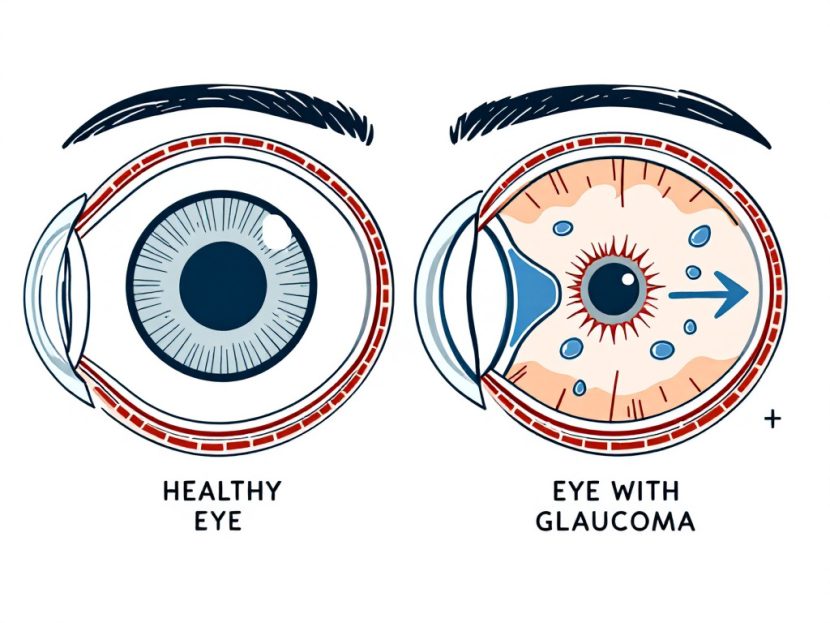
Glaucoma in children can be congenital (present at birth) or acquired (developing later in childhood). Primary congenital glaucoma often results from abnormal development of the eye’s drainage system, leading to increased eye pressure. Other causes include genetic factors, eye injuries, cataracts, or systemic conditions like neurofibromatosis or Sturge-Weber syndrome. In some cases, glaucoma may develop after steroid use or eye surgery.

glaucoma in children symptoms and treatment

Symptoms to Watch For

Recognizing glaucoma in children symptoms is crucial for early diagnosis. Infants and young children may show signs like excessive tearing, light sensitivity, or a cloudy, enlarged cornea. You might also notice a white or hazy appearance in the eye. Older children may complain of headaches, eye pain, or blurred vision. In some cases, a child may squint frequently or avoid bright light. If you observe any of these symptoms, consult a specialist immediately.

Treatment Options

Treatment for glaucoma in children aims to lower eye pressure and preserve vision. Medications, such as eye drops, are often the first line of treatment to reduce fluid production or improve drainage. However, surgery is frequently necessary for congenital glaucoma. Common procedures include trabeculotomy, goniotomy, or trabeculectomy, which create new drainage pathways for fluid to leave the eye.

In some cases, laser surgery or drainage implants may be recommended. Early intervention is key to preventing optic nerve damage and vision loss.


If you suspect your child has glaucoma, don’t delay seeking help. If you are unsure whether your symptoms require emergency attention, it is always safer to contact your healthcare provider or eye clinic for guidance.

At The Eye Center – Dr. Mahnaz Naveed Shah & Associates in Karachi, patients benefit from the care of internationally trained specialists across every sub-specialty of ophthalmology. Led by Dr. Mahnaz Naveed Shah, a highly experienced and dedicated glaucoma specialist with extensive training in advanced eye care, the team provides trusted support for both routine check-ups and urgent eye conditions. They will guide you on whether you need a screening, further investigation, or immediate treatment, always with your safety and comfort in mind. For expert consultation, contact 0304-111-9544 to book an appointment.

With a strong record of excellence in glaucoma and cataract care, Dr. Mahnaz Shah and her team remain committed to helping you protect your vision—with confidence.
Can Glaucoma Be Cured? Understanding Your Treatment Options

managing glaucoma

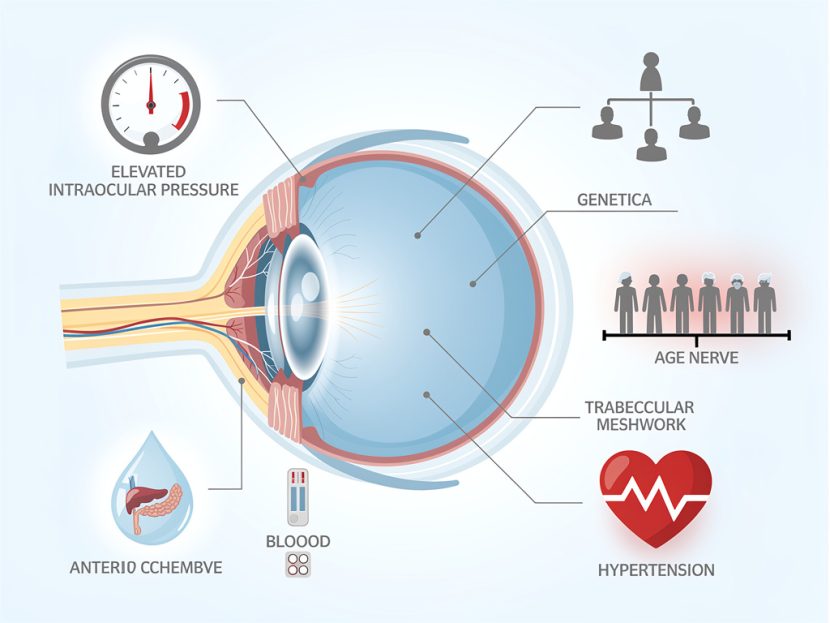
Many people ask, “Can glaucoma be cured?” The short answer is no, but effective treatments can manage it. Glaucoma causes irreversible damage to the optic nerve, usually due to high eye pressure. While we cannot reverse this damage, proper care can slow or halt its progression.

Why Glaucoma Cannot Be Cured

Glaucoma damages the optic nerve, which transmits visual information to the brain. Once these nerve fibers die, they do not regenerate. This makes early detection and treatment crucial to prevent further vision loss.

Treatment Options to Manage Glaucoma

Doctors use several approaches to control glaucoma and preserve vision. Prescription eye drops lower eye pressure by reducing fluid production or improving drainage. Laser therapy, such as trabeculoplasty, enhances drainage in the eye. For advanced cases, surgery like trabeculectomy or drainage implants creates new pathways for fluid to leave the eye.

Lifestyle and Regular Care

Managing glaucoma also involves lifestyle changes. Regular exercise, a healthy diet, and avoiding smoking can support overall eye health. Most importantly, regular eye exams help doctors monitor your condition and adjust treatments as needed.


If you are unsure whether your symptoms require emergency attention, it is always safer to contact your healthcare provider or eye clinic for guidance.

At The Eye Center – Dr. Mahnaz Naveed Shah & Associates in Karachi, patients benefit from the care of internationally trained specialists across every sub-specialty of ophthalmology. Led by Dr. Mahnaz Naveed Shah, a highly experienced and dedicated glaucoma specialist with extensive training in advanced eye care, the team provides trusted support for both routine check-ups and urgent eye conditions. They will guide you on whether you need a screening, further investigation, or immediate treatment, always with your safety and comfort in mind. For expert consultation, contact 0304-111-9544 to book an appointment.

With a strong record of excellence in glaucoma and cataract care, Dr. Mahnaz Shah and her team remain committed to helping you protect your vision—with confidence.

Glaucoma Treatment in Karachi: Medications vs. Surgery

glaucoma treatment options

Glaucoma can silently damage your vision. In Karachi, patients now access effective glaucoma treatment options to control this condition. Medications and surgery both offer solutions to manage eye pressure and prevent vision loss.

Medications for Glaucoma

Doctors often prescribe eye drops to treat glaucoma. These medications reduce fluid production or improve drainage to lower eye pressure. Common types include prostaglandin analogs, beta-blockers, alpha agonists, and carbonic anhydrase inhibitors. Each has unique benefits and potential side effects, so doctors tailor treatments to individual needs.

When Surgery Becomes Necessary

If medications fail to control eye pressure, doctors may recommend surgery. Laser trabeculoplasty uses a laser to improve eye drainage. For advanced cases, trabeculectomy or drainage implants create new drainage pathways. These procedures lower eye pressure and prevent optic nerve damage.

Choosing the Right Treatment

The best glaucoma treatment options in Karachi depend on your glaucoma type, severity, and overall health. Early detection and treatment are crucial to prevent vision loss. Regular eye exams help doctors monitor your condition and adjust your treatment plan as needed.


If you are unsure whether your symptoms require emergency attention, it is always safer to contact your healthcare provider or eye clinic for guidance.

At The Eye Center – Dr. Mahnaz Naveed Shah & Associates in Karachi, patients benefit from the care of internationally trained specialists across every sub-specialty of ophthalmology. Led by Dr. Mahnaz Naveed Shah, a highly experienced and dedicated glaucoma specialist with extensive training in advanced eye care, the team provides trusted support for both routine check-ups and urgent eye conditions. They will guide you on whether you need a screening, further investigation, or immediate treatment, always with your safety and comfort in mind. For expert consultation, contact 0304-111-9544 to book an appointment.

With a strong record of excellence in glaucoma and cataract care, Dr. Mahnaz Shah and her team remain committed to helping you protect your vision—with confidence.

Glaucoma Symptoms: Early Signs You Shouldn’t Ignore

Glaucoma is often called the “sneak thief of sight” because it can slowly damage your vision without warning. Many people don’t realize they have it until it’s too late. Recognizing early glaucoma symptoms to watch for can help you seek treatment before irreversible damage occurs.

early glaucoma symptoms to watch for

The Silent Nature of Glaucoma

Most types of glaucoma, like open-angle glaucoma, develop gradually. In the early stages, there are often no noticeable symptoms. However, as the disease progresses, it begins to affect your peripheral vision. This is why regular eye exams are crucial, especially if you have risk factors like a family history of glaucoma, diabetes, or high blood pressure.


Early Signs to Watch For

One of the first signs of glaucoma is patchy blind spots in your peripheral or side vision. You might also notice tunnel vision, where your field of view narrows over time. These changes can be subtle, so they’re easy to overlook. Some people may also experience mild headaches or eye strain, but these symptoms are often attributed to other causes like stress or fatigue.

In contrast, acute angle-closure glaucoma is a medical emergency. This type can cause sudden symptoms such as severe eye pain, nausea, vomiting, and blurred vision. If you experience these symptoms, seek immediate medical attention to prevent permanent vision loss.


Why Early Detection Matters

Glaucoma damages the optic nerve, which is responsible for transmitting visual information to your brain. Once this damage occurs, it cannot be reversed. However, early detection and treatment can slow or even halt the progression of the disease. This is why it’s so important to be aware of early glaucoma symptoms to watch for and to schedule regular eye exams, especially as you age.


If you are unsure whether your symptoms require emergency attention, it is always safer to contact your healthcare provider or eye clinic for guidance.

At The Eye Center – Dr. Mahnaz Naveed Shah & Associates in Karachi, patients benefit from the care of internationally trained specialists across every sub-specialty of ophthalmology. Led by Dr. Mahnaz Naveed Shah, a highly experienced and dedicated glaucoma specialist with extensive training in advanced eye care, the team provides trusted support for both routine check-ups and urgent eye conditions. They will guide you on whether you need a screening, further investigation, or immediate treatment, always with your safety and comfort in mind. For expert consultation, contact 0304-111-9544 to book an appointment.

With a strong record of excellence in glaucoma and cataract care, Dr. Mahnaz Shah and her team remain committed to helping you protect your vision—with confidence.

Glaucoma in Diabetes: Understanding the Risks

People with diabetes face a higher risk of developing glaucoma, a group of eye diseases that damage the optic nerve and can lead to vision loss. Understanding the link between glaucoma in diabetes risk and prevention helps you take proactive steps to protect your eyesight.

glaucoma risks for diabetics

How Diabetes Affects Glaucoma Risk

Diabetes can increase your risk of glaucoma in several ways:

  • High blood sugar damages blood vessels in the eye, affecting fluid drainage and increasing eye pressure.
  • Neuropathy (nerve damage) from diabetes may also harm the optic nerve, worsening glaucoma.
  • Diabetic retinopathy, a common diabetes complication, can lead to neovascular glaucoma, a severe form caused by abnormal blood vessel growth.

Symptoms to Watch For

Glaucoma often develops without noticeable symptoms in its early stages. As it progresses, you may experience:

  • Blurred or narrowed vision.
  • Severe eye pain or headaches.
  • Nausea or vomiting.
  • Seeing halos around lights.

If you have diabetes, regular eye exams are crucial for early detection.

Why Are Diabetics at Higher Risk?

  • Poor blood sugar control can worsen eye pressure and optic nerve damage.
  • Long-term diabetes increases the likelihood of developing glaucoma.
  • High blood pressure and cholesterol, common in diabetics, further raise glaucoma risk.

Preventing Glaucoma with Diabetes

Manage Blood Sugar Levels

Keeping your blood sugar within target range reduces the risk of eye complications, including glaucoma.

Control Blood Pressure and Cholesterol

High blood pressure and cholesterol can damage eye blood vessels. Work with your doctor to keep these levels in check.

Regular Eye Exams

Diabetics should have a comprehensive dilated eye exam at least once a year. Early detection allows for timely treatment to prevent vision loss.

Healthy Lifestyle Choices

  • Exercise regularly to improve circulation and eye health.
  • Eat a balanced diet rich in leafy greens, omega-3 fatty acids, and antioxidants.
  • Avoid smoking, which worsens eye conditions.

Treatment Options

If glaucoma is detected, your doctor may recommend:

  • Prescription eye drops to lower eye pressure.
  • Laser therapy to improve fluid drainage.
  • Surgery for advanced cases, such as trabeculectomy or drainage implants.

If you are unsure whether your symptoms require emergency attention, it is always safer to contact your healthcare provider or eye clinic for guidance.

At The Eye Center – Dr. Mahnaz Naveed Shah & Associates in Karachi, patients benefit from the care of internationally trained specialists across every sub-specialty of ophthalmology. Led by Dr. Mahnaz Naveed Shah, a highly experienced and dedicated glaucoma specialist with extensive training in advanced eye care, the team provides trusted support for both routine check-ups and urgent eye conditions. They will guide you on whether you need a screening, further investigation, or immediate treatment, always with your safety and comfort in mind. For expert consultation, contact 0304-111-9544 to book an appointment.

With a strong record of excellence in glaucoma and cataract care, Dr. Mahnaz Shah and her team remain committed to helping you protect your vision—with confidence.

Selective Laser Trabeculoplasty (SLT) in Karachi: A Non-Invasive Glaucoma Treatment

Glaucoma is a serious eye condition that can lead to irreversible vision loss if left untreated. Glaucoma can quietly damage your vision. Selective Laser Trabeculoplasty (SLT) in Karachi provides a modern, non-invasive solution to lower eye pressure and protect your sight—without surgery.

laser eye procedure for glaucoma

What Is SLT?

SLT is a simple laser treatment that improves fluid drainage in your eye. This reduces eye pressure, the main cause of glaucoma damage. Unlike surgery, SLT requires no cuts or stitches.

How Does SLT Work?

Your doctor uses a special laser to target cells in your eye’s drainage system. This helps fluid drain better and lowers pressure. The procedure takes just minutes, and most patients feel little discomfort.

Why Choose SLT?

  • No surgery: SLT is non-invasive with no long recovery.
  • Quick and easy: You’ll finish in under 10 minutes.
  • Effective: SLT reduces eye pressure and may cut down on glaucoma medications.
  • Safe: It works well for many patients, especially those who struggle with eye drops.

Who Benefits from SLT?

SLT helps people with open-angle glaucoma, the most common type. It’s also great if you want to avoid surgery or have issues with eye drops.

What to Expect During SLT

You’ll sit comfortably while your doctor treats your eye with the laser. Numbing drops keep you pain-free. You can go home the same day, with only mild redness or sensitivity that fades quickly.

Get SLT in Karachi

Karachi’s top eye specialists use the latest technology for SLT. If you want a safe, effective way to manage glaucoma, SLT could be right for you.


Need Expert Eye Care?

If you are unsure whether your symptoms require emergency attention, it is always safer to contact your healthcare provider or eye clinic for guidance.

At The Eye Center – Dr. Mahnaz Naveed Shah & Associates in Karachi, patients benefit from the care of internationally trained specialists across every sub-specialty of ophthalmology. Led by Dr. Mahnaz Naveed Shah, a highly experienced and dedicated glaucoma specialist with extensive training in advanced eye care, the team provides trusted support for both routine check-ups and urgent eye conditions. They will guide you on whether you need a screening, further investigation, or immediate treatment, always with your safety and comfort in mind. For expert consultation, contact 0304-111-9544 to book an appointment.

With a proven track record of excellence in glaucoma and cataract care, Dr. Mahnaz Shah and her team are here to help you protect your vision—with confidence.


Glaucoma Testing Methods: What to Expect

Why Glaucoma Testing Matters

Glaucoma is a group of eye diseases that damage the optic nerve, often due to increased pressure inside the eye. If left untreated, it can lead to permanent vision loss. Early detection through regular testing is crucial, as glaucoma often has no noticeable symptoms in its early stages.

Common Glaucoma Testing Methods

Tonometer Test (Eye Pressure Check)
This test measures the pressure inside your eye, known as intraocular pressure (IOP). A small device gently touches your eye after numbing drops are applied. High IOP is a key risk factor for glaucoma.

Optic Nerve Imaging
Your eye doctor will examine the optic nerve at the back of your eye. This can be done using a special magnifying lens or advanced imaging technology, such as Optical Coherence Tomography (OCT). These images help detect any damage or changes to the optic nerve.

Visual Field Test
This test checks for areas of vision loss. You will look straight ahead and indicate when you see small flashes of light in your peripheral vision. It helps identify blind spots that may indicate glaucoma damage.

Pachymetry (Corneal Thickness Measurement)
This test measures the thickness of your cornea. Thinner or thicker corneas can affect eye pressure readings, so this information helps your doctor interpret your IOP results more accurately.

Gonioscopy (Angle Test)
Your doctor uses a special lens to examine the drainage angle of your eye. This helps determine whether the angle is open or closed, which influences the type of glaucoma you may have.

What to Expect During Testing

Glaucoma testing is painless and non-invasive. Your doctor may use numbing eye drops to ensure your comfort. The entire process usually takes less than 30 minutes, and you can resume normal activities immediately afterward.

When to Get Tested

Regular glaucoma testing is recommended for everyone over the age of 40, especially if you have a family history of glaucoma, diabetes, or high blood pressure. Early detection and treatment can help preserve your vision and prevent further damage.


If you are unsure whether your symptoms require emergency attention, it is always safer to contact your healthcare provider or eye clinic for guidance.

At The Eye Center – Dr. Mahnaz Naveed Shah & Associates in Karachi, patients benefit from the care of internationally trained specialists across every sub-specialty of ophthalmology. Led by Dr. Mahnaz Naveed Shah, a highly experienced and dedicated glaucoma specialist with extensive training in advanced eye care, the team provides trusted support for both routine check-ups and urgent eye conditions. They will guide you on whether you need a screening, further investigation, or immediate treatment, always with your safety and comfort in mind. For expert consultation, contact 0304-111-9544 to book an appointment.

With a strong record of excellence in glaucoma and cataract care, Dr. Mahnaz Shah and her team remain committed to helping you protect your vision—with confidence.