
Selective Laser Trabeculoplasty (SLT) in Karachi: A Non-Invasive Glaucoma Treatment

Glaucoma is a serious eye condition that can lead to irreversible vision loss if left untreated. Glaucoma can quietly damage your vision. Selective Laser Trabeculoplasty (SLT) in Karachi provides a modern, non-invasive solution to lower eye pressure and protect your sight—without surgery.

laser eye procedure for glaucoma

What Is SLT?

SLT is a simple laser treatment that improves fluid drainage in your eye. This reduces eye pressure, the main cause of glaucoma damage. Unlike surgery, SLT requires no cuts or stitches.

How Does SLT Work?

Your doctor uses a special laser to target cells in your eye’s drainage system. This helps fluid drain better and lowers pressure. The procedure takes just minutes, and most patients feel little discomfort.

Why Choose SLT?

  • No surgery: SLT is non-invasive with no long recovery.
  • Quick and easy: You’ll finish in under 10 minutes.
  • Effective: SLT reduces eye pressure and may cut down on glaucoma medications.
  • Safe: It works well for many patients, especially those who struggle with eye drops.

Who Benefits from SLT?

SLT helps people with open-angle glaucoma, the most common type. It’s also great if you want to avoid surgery or have issues with eye drops.

What to Expect During SLT

You’ll sit comfortably while your doctor treats your eye with the laser. Numbing drops keep you pain-free. You can go home the same day, with only mild redness or sensitivity that fades quickly.

Get SLT in Karachi

Karachi’s top eye specialists use the latest technology for SLT. If you want a safe, effective way to manage glaucoma, SLT could be right for you.


Need Expert Eye Care?

If you are unsure whether your symptoms require emergency attention, it is always safer to contact your healthcare provider or eye clinic for guidance.

At The Eye Center – Dr. Mahnaz Naveed Shah & Associates in Karachi, patients benefit from the care of internationally trained specialists across every sub-specialty of ophthalmology. Led by Dr. Mahnaz Naveed Shah, a highly experienced and dedicated glaucoma specialist with extensive training in advanced eye care, the team provides trusted support for both routine check-ups and urgent eye conditions. They will guide you on whether you need a screening, further investigation, or immediate treatment, always with your safety and comfort in mind. For expert consultation, contact 0304-111-9544 to book an appointment.

With a proven track record of excellence in glaucoma and cataract care, Dr. Mahnaz Shah and her team are here to help you protect your vision—with confidence.

Surgical Glaucoma Options: What You Need to Know

When Is Glaucoma Surgery Needed?

Glaucoma damages the optic nerve, often due to high eye pressure. If medications or laser treatments fail to control this pressure, surgery may be necessary. The goal is to reduce pressure and prevent further vision loss.

Common Surgical Options for Glaucoma

Trabeculectomy
This common procedure creates a small flap in the eye’s white part (sclera). It allows fluid to drain, reducing pressure. Fluid collects in a hidden reservoir called a bleb. Proper post-op care is essential to prevent infection and ensure healing.

Glaucoma Drainage Implants
For severe glaucoma or failed surgeries, a tiny tube can be inserted. This tube helps drain excess fluid, lowering eye pressure. It’s often used when other treatments aren’t suitable.

Minimally Invasive Glaucoma Surgery (MIGS)
MIGS uses tiny incisions and microscopic tools to improve fluid drainage. It’s less invasive than traditional surgery. Recovery is faster, with fewer complications. MIGS is ideal for mild to moderate glaucoma.

Laser Surgery
Laser treatments like Selective Laser Trabeculoplasty (SLT) improve drainage by targeting specific cells. Cyclophotocoagulation reduces fluid production. Both are outpatient procedures with minimal recovery time.

What to Expect After Surgery

Recovery varies by procedure. Most patients return to normal activities within days or weeks. Use prescribed eye drops to prevent infection and inflammation. Regular follow-ups are crucial to monitor healing and pressure levels.

Choosing the Right Option

The best procedure depends on your glaucoma type, severity, and overall eye health. Your doctor will explain the benefits and risks of each option. This helps you make an informed decision.

If you notice sudden vision changes or severe eye pain, contact your eye care provider immediately. Early intervention is vital for protecting your sight.


At The Eye Center – Dr. Mahnaz Naveed Shah & Associates in Karachi, patients benefit from the care of internationally trained specialists across every sub-specialty of ophthalmology. Led by Dr. Mahnaz Naveed Shah, a highly experienced and dedicated glaucoma specialist with extensive training in advanced eye care, the team provides trusted support for both routine check-ups and urgent eye conditions. They will guide you on whether you need a screening, further investigation, or immediate treatment, always with your safety and comfort in mind. For expert consultation, contact 0304-111-9544 to book an appointment.

With a strong record of excellence in glaucoma and cataract care, Dr. Mahnaz Shah and her team remain committed to helping you protect your vision—with confidence.

Glaucoma Testing Methods: What to Expect

Why Glaucoma Testing Matters

Glaucoma is a group of eye diseases that damage the optic nerve, often due to increased pressure inside the eye. If left untreated, it can lead to permanent vision loss. Early detection through regular testing is crucial, as glaucoma often has no noticeable symptoms in its early stages.

Common Glaucoma Testing Methods

Tonometer Test (Eye Pressure Check)
This test measures the pressure inside your eye, known as intraocular pressure (IOP). A small device gently touches your eye after numbing drops are applied. High IOP is a key risk factor for glaucoma.

Optic Nerve Imaging
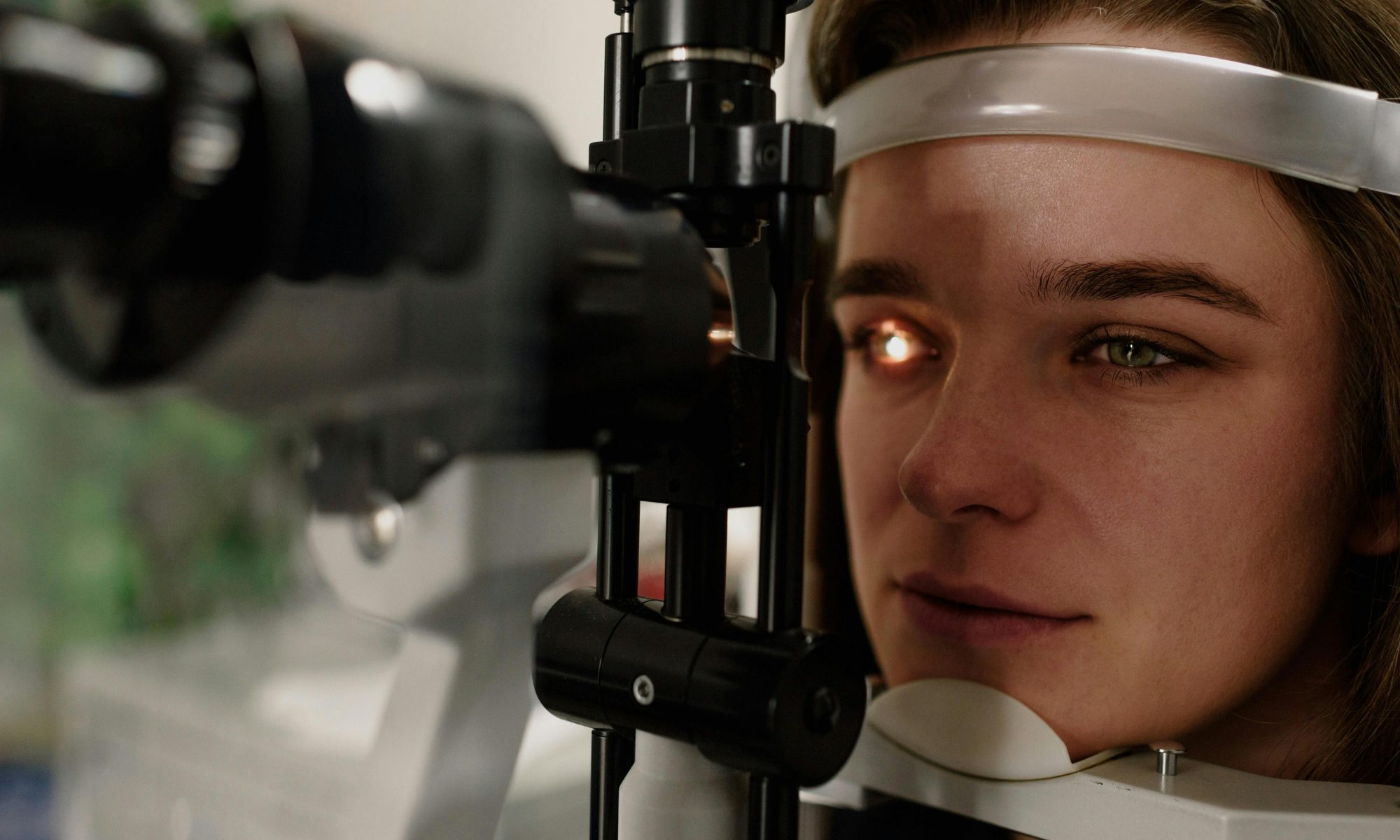
Your eye doctor will examine the optic nerve at the back of your eye. This can be done using a special magnifying lens or advanced imaging technology, such as Optical Coherence Tomography (OCT). These images help detect any damage or changes to the optic nerve.

Visual Field Test
This test checks for areas of vision loss. You will look straight ahead and indicate when you see small flashes of light in your peripheral vision. It helps identify blind spots that may indicate glaucoma damage.

Pachymetry (Corneal Thickness Measurement)
This test measures the thickness of your cornea. Thinner or thicker corneas can affect eye pressure readings, so this information helps your doctor interpret your IOP results more accurately.

Gonioscopy (Angle Test)
Your doctor uses a special lens to examine the drainage angle of your eye. This helps determine whether the angle is open or closed, which influences the type of glaucoma you may have.

What to Expect During Testing

Glaucoma testing is painless and non-invasive. Your doctor may use numbing eye drops to ensure your comfort. The entire process usually takes less than 30 minutes, and you can resume normal activities immediately afterward.

When to Get Tested

Regular glaucoma testing is recommended for everyone over the age of 40, especially if you have a family history of glaucoma, diabetes, or high blood pressure. Early detection and treatment can help preserve your vision and prevent further damage.


If you are unsure whether your symptoms require emergency attention, it is always safer to contact your healthcare provider or eye clinic for guidance.

At The Eye Center – Dr. Mahnaz Naveed Shah & Associates in Karachi, patients benefit from the care of internationally trained specialists across every sub-specialty of ophthalmology. Led by Dr. Mahnaz Naveed Shah, a highly experienced and dedicated glaucoma specialist with extensive training in advanced eye care, the team provides trusted support for both routine check-ups and urgent eye conditions. They will guide you on whether you need a screening, further investigation, or immediate treatment, always with your safety and comfort in mind. For expert consultation, contact 0304-111-9544 to book an appointment.

With a strong record of excellence in glaucoma and cataract care, Dr. Mahnaz Shah and her team remain committed to helping you protect your vision—with confidence.

The Importance of Eye Pressure: Safeguarding Your Vision

glaucoma risks for diabetics

Eye pressure, or intraocular pressure (IOP), is the fluid pressure inside your eye that helps maintain its shape and function. Keeping this pressure within a healthy range is crucial for preserving your vision and preventing serious conditions like glaucoma. While many people only think about eye pressure when a problem arises, understanding its role can help you take proactive steps to protect your eyesight.

What Is Eye Pressure?

Eye pressure is created by the balance of fluid production and drainage within your eye. A healthy eye constantly produces a clear fluid called aqueous humor, which nourishes the eye and maintains pressure. Normally, this fluid drains out at the same rate it is produced, keeping pressure stable. The normal range for eye pressure is typically between 10 and 21 mmHg (millimeters of mercury). However, if the drainage system becomes blocked or fluid production increases, pressure can rise to dangerous levels, damaging the optic nerve and leading to vision loss.

Why Is Eye Pressure Important?

Maintaining the right eye pressure is essential for several reasons:

  • Supports Eye Structure: Proper pressure helps keep the eye’s spherical shape, ensuring light focuses correctly on the retina.
  • Prevents Glaucoma: High eye pressure is the primary risk factor for glaucoma, a leading cause of irreversible blindness. When pressure builds up, it can damage the optic nerve, resulting in permanent vision loss if untreated.
  • Detects Early Problems: Regular eye pressure checks can reveal issues before symptoms appear. Many people with high eye pressure (ocular hypertension) do not experience noticeable symptoms until significant damage has occurred.

Risks of Abnormal Eye Pressure

Both high and low eye pressure can harm your vision:

  • High Eye Pressure: If left unchecked, elevated pressure can lead to glaucoma, causing gradual loss of peripheral vision and, eventually, blindness. Factors like genetics, age, diabetes, and steroid use can increase your risk.
  • Low Eye Pressure: While less common, abnormally low pressure (hypotony) can also cause problems, such as blurred vision or structural damage to the eye, especially after surgery or trauma.

How Is Eye Pressure Measured?

Eye pressure is measured during a routine eye exam using a simple, painless test called tonometry. Your eye care specialist may use a puff of air, a small probe, or a device that gently touches your cornea to get an accurate reading. Regular monitoring is key, as pressure can fluctuate throughout the day and change with age or health conditions.

Protecting Your Eye Health

You can help maintain healthy eye pressure by:

  • Scheduling Regular Eye Exams: Comprehensive exams allow your ophthalmologist to track pressure changes and detect early signs of glaucoma or other issues.
  • Managing Chronic Conditions: Conditions like diabetes and high blood pressure can affect eye pressure. Work with your healthcare provider to keep these under control.
  • Adopting a Healthy Lifestyle: Exercise, a balanced diet rich in antioxidants, and avoiding smoking can support overall eye health and reduce pressure-related risks.

When to Seek Help

If you experience sudden vision changes, severe eye pain, or persistent discomfort, contact your eye care provider immediately. Early intervention can prevent permanent damage and help preserve your sight.


If you are unsure whether your symptoms require emergency attention, it is always safer to contact your healthcare provider or eye clinic for guidance.

At The Eye Center – Dr. Mahnaz Naveed Shah & Associates in Karachi, patients benefit from the care of internationally trained specialists across every sub-specialty of ophthalmology. Led by Dr. Mahnaz Naveed Shah, a highly experienced and dedicated glaucoma specialist with extensive training in advanced eye care, the team provides trusted support for both routine check-ups and urgent eye conditions. They will guide you on whether you need a screening, further investigation, or immediate treatment, always with your safety and comfort in mind. For expert consultation, contact 0304-111-9544 to book an appointment.

With a strong record of excellence in glaucoma and cataract care, Dr. Mahnaz Shah and her team remain committed to helping you protect your vision—with confidence.

Surgical Glaucoma Options: Restoring Eye Health and Vision

Glaucoma is a progressive eye disease that damages the optic nerve, often due to elevated intraocular pressure (IOP). While medications and laser therapies can help manage glaucoma, surgery is sometimes necessary to lower eye pressure and prevent vision loss. If you or a loved one are considering surgical intervention, understanding the available options can help you make an informed decision.

When Is Glaucoma Surgery Recommended?

Surgical intervention is typically recommended when medications and laser treatments fail to control eye pressure adequately, or if glaucoma progresses despite these measures. Surgery aims to create new drainage pathways for fluid within the eye, reducing pressure and protecting the optic nerve from further damage. Your ophthalmologist will assess your condition and recommend the most suitable procedure based on the type and severity of your glaucomaglance.eyesoneyecare.com.

Surgical Glaucoma Options: Restoring Eye Health

Glaucoma can quietly damage your vision by increasing pressure inside your eye. If medications or laser treatments aren’t enough, surgery may be the best way to protect your sight. Understanding your surgical options helps you make the right choice for your eye health.

Why Consider Glaucoma Surgery?

Surgery becomes necessary when other treatments fail to control eye pressure effectively. The goal is simple: create new ways for fluid to drain from your eye, reducing pressure and preventing further damage to your optic nerve. Your eye doctor will recommend surgery based on how advanced your glaucoma is and how well other treatments have worked for youglance.eyesoneyecare.com.

Your Surgical Options

Several procedures can help manage glaucoma. Here’s what you should know:

  • Trabeculectomy: This traditional surgery creates a small drainage flap in your eye, allowing fluid to escape and lowering pressure. It’s often used for advanced glaucoma and has a strong track record of success.
  • Minimally Invasive Glaucoma Surgery (MIGS): MIGS uses tiny stents or implants to improve fluid drainage with less risk and faster recovery. Newer options, like the VisiPlate implant, offer effective, long-term pressure control with fewer side effectsglance.eyesoneyecare.com.
  • Tube Shunt Surgery: A small tube is placed in your eye to redirect fluid to a safe area. This option is useful for complex cases where other surgeries haven’t worked.
  • Cyclophotocoagulation: This laser procedure reduces fluid production in the eye. It’s usually reserved for severe cases or when other surgeries aren’t suitable.

Recovering from Surgery

Recovery depends on the procedure. You might experience mild discomfort, redness, or blurred vision for a few days. Your doctor will give you eye drops to prevent infection and inflammation. Regular follow-up visits ensure your eye heals properly and pressure stays under controlglance.eyesoneyecare.com.

The Benefits of Surgery

Glaucoma surgery can lower eye pressure, slow disease progression, and reduce your need for daily medications. While it won’t reverse existing damage, it can help preserve the vision you have left and improve your quality of life.

Which Option Is Right for You?

The best procedure depends on your type of glaucoma, overall eye health, and lifestyle. Your ophthalmologist will explain the risks and benefits of each option, helping you decide what’s best for your situation.


If you are unsure whether your symptoms require emergency attention, it is safer to call your healthcare provider or eye clinic for advice. With Pakistan’s internationally trained and most experienced cataract surgeons, corneal transplant surgeons, and eye surgeons specializing in every single subspecialty in ophthalmology, The Eye Center – Dr. Mahnaz Naveed Shah & Associates in Karachi provides guidance for both routine and urgent eye care needs. Their team can advise whether you should schedule a screening or seek immediate attention, ensuring safety and comfort. For expert consultation, contact The Eye Center – Dr. Mahnaz Naveed Shah & Associates at 03041119544 to book an appointment.

With a proven track record of excellence in glaucoma and cataract care, Dr. Mahnaz Shah and her team are here to help you protect your vision—with confidence.
How Glaucoma Damages Vision: Understanding the Silent Thief of Sight

Glaucoma earns its reputation as the silent thief of sight because it typically progresses without warning until significant vision loss occurs. Understanding how this disease damages your eyes helps emphasize the critical importance of regular screening and early intervention to preserve your precious eyesight.

The Mechanism Behind Vision Loss

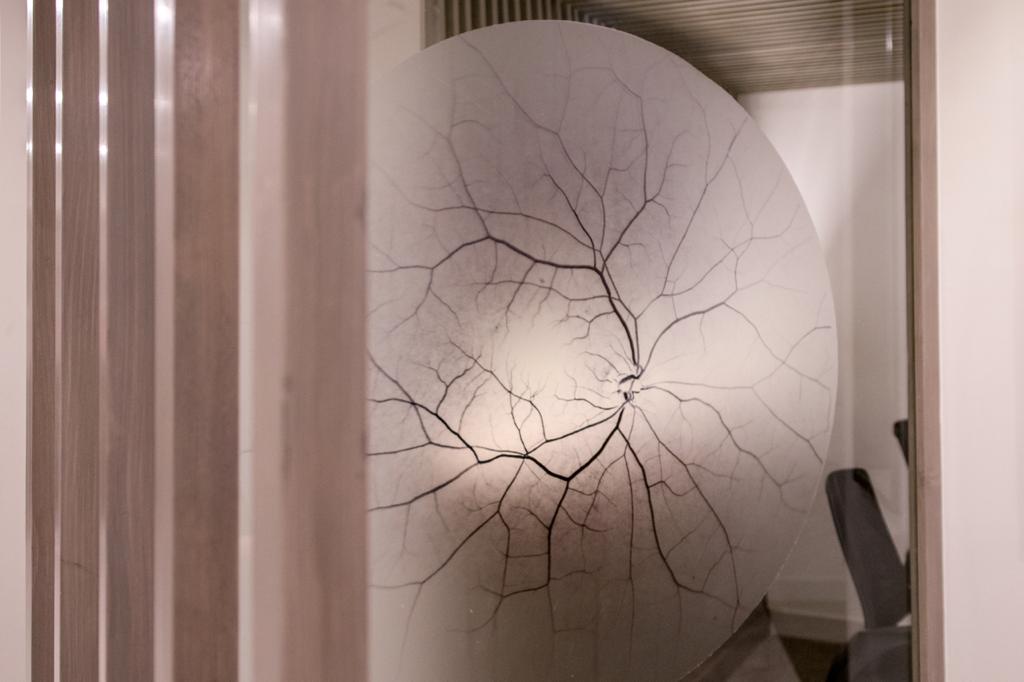
Glaucoma damages the optic nerve, the vital connection transmitting visual information from your eye to your brain. Elevated intraocular pressure often causes this damage, though some patients develop glaucoma despite normal pressure readings. The optic nerve contains over one million delicate nerve fibers that, once destroyed, cannot regenerate. As these fibers deteriorate, blind spots develop in your visual field, gradually expanding until significant vision impairment occurs.

Why Early Damage Goes Unnoticed

Your brain remarkably compensates for early glaucoma damage, filling in small blind spots so effectively that patients remain completely unaware of vision loss. Peripheral vision typically disappears first, while central vision remains sharp until advanced stages. This deceptive progression means many patients only notice symptoms after irreversible damage has occurred, making routine comprehensive eye examinations absolutely essential for detection.

Types and Their Impact

Open-angle glaucoma, the most common form, develops gradually over years. The drainage system within your eye becomes less efficient, causing pressure buildup that slowly damages nerve fibers. Angle-closure glaucoma occurs when drainage passages become suddenly blocked, creating a medical emergency requiring immediate intervention to prevent rapid vision loss and potential blindness.

Secondary glaucoma develops from other conditions including diabetes, eye injuries, or certain medications. Normal-tension glaucoma damages the optic nerve despite acceptable pressure levels, highlighting that comprehensive evaluation extends beyond simple pressure measurements.

Prevention Through Early Detection

Regular dilated eye examinations allow ophthalmologists to detect glaucoma before noticeable symptoms appear. Advanced diagnostic imaging reveals optic nerve changes and visual field loss in earliest stages when treatment most effectively preserves vision. Pressure-lowering medications, laser procedures, or surgical interventions can halt progression, protecting remaining nerve fibers from further damage. While lost vision cannot return, preventing additional deterioration maintains your current visual function and quality of life.


If you are unsure whether your symptoms require emergency attention, it is safer to call your healthcare provider or eye clinic for advice.

At The Eye Center – Dr. Mahnaz Naveed Shah & Associates in Karachi, patients benefit from the care of internationally trained specialists across every sub-specialty of ophthalmology. Led by Dr. Mahnaz Naveed Shah, a highly experienced and dedicated glaucoma specialist with extensive training in advanced eye care, the team provides trusted support for both routine check-ups and urgent eye conditions. They will guide you on whether you need a screening, further investigation, or immediate treatment, always with your safety and comfort in mind. For expert consultation, contact 0304-111-9544 to book an appointment.

With a strong record of excellence in glaucoma and cataract care, Dr. Mahnaz Shah and her team remain committed to helping you protect your vision—with confidence.

How Glaucoma Is Diagnosed: Modern Testing Explained

Glaucoma is a progressive eye disease that damages the optic nerve and can lead to permanent vision loss if not detected early. Because glaucoma often develops without noticeable symptoms, many patients are surprised by the diagnosis. This is why understanding how glaucoma is diagnosed is so important. Modern testing allows eye specialists to detect the disease early—often before vision is affected.

Glaucoma diagnosis does not rely on a single test. Instead, doctors use a combination of advanced examinations to assess eye pressure, optic nerve health, and visual function. Together, these tests provide a clear picture of whether glaucoma is present and how it may be progressing.

Measuring Eye Pressure Accurately

Eye pressure testing is one of the first steps in glaucoma diagnosis. Elevated pressure increases the risk of optic nerve damage, although glaucoma can still occur with normal pressure levels. Modern instruments measure eye pressure quickly and comfortably, helping doctors identify abnormal readings that require further evaluation.

Examining the Optic Nerve

The optic nerve is the structure most affected by glaucoma. During an eye examination, specialists carefully assess its shape, color, and structure. Early changes in the optic nerve may not affect vision immediately, but they are critical signs of glaucoma. Detecting these changes early allows treatment to begin before vision loss occurs.

Advanced Imaging with OCT

Optical Coherence Tomography, or OCT, plays a major role in modern glaucoma diagnosis. This imaging technology provides detailed cross-sectional images of the optic nerve and retinal nerve fiber layer. OCT can detect subtle thinning long before changes appear on vision tests, making it one of the most valuable tools for early diagnosis and ongoing monitoring.

Visual Field Testing and Functional Vision

While imaging shows structural damage, visual field testing evaluates how glaucoma affects vision. This test measures peripheral vision, which is usually affected first. Even small areas of vision loss can signal disease progression, helping doctors adjust treatment plans as needed.

Why Early and Accurate Diagnosis Matters

Modern testing allows glaucoma to be diagnosed earlier and more accurately than ever before. Early diagnosis means treatment can start sooner, significantly reducing the risk of severe vision loss. Regular testing also helps track disease progression and treatment effectiveness over time.


If you are unsure whether your symptoms require emergency attention, it is safer to call your healthcare provider or eye clinic for advice.

With Pakistan’s internationally trained and most experienced cataract surgeons, corneal transplant surgeons and eye surgeons specializing in every single sub specialty in ophthalmology, The Eye Center – Dr. Mahnaz Naveed Shah & Associates in Karachi provides guidance for both routine and urgent eye care needs. Their team can advise whether you should schedule a screening or seek immediate attention, ensuring safety and comfort. For expert consultation, contact 0304-111-9544 to book an appointment.

With a proven track record of excellence in glaucoma and cataract care, Dr. Mahnaz Shah and her team are here to help you protect your vision—with confidence.
Minimally Invasive Glaucoma Surgery (MIGS): A Gentle Modern Option

Minimally Invasive Glaucoma Surgery, often called MIGS, is a modern approach to glaucoma treatment. It helps lower eye pressure while causing less disruption to the eye. Doctors developed MIGS to provide safer surgical options for patients with early to moderate glaucoma.

Glaucoma damages the optic nerve over time. High eye pressure is the most common cause. Doctors usually begin treatment with eye drops or laser therapy. When these options do not provide enough pressure control, surgery may be needed. MIGS offers a gentler alternative to traditional glaucoma surgery.

How MIGS Works to Lower Eye Pressure

MIGS procedures improve the natural drainage of fluid from the eye. Surgeons perform the procedure through very small incisions. This approach limits tissue damage and supports faster healing.

Because MIGS works with the eye’s natural drainage system, it reduces pressure in a controlled and predictable way. Surgeons often perform MIGS at the same time as cataract surgery, which allows patients to address two conditions in one procedure.

Why MIGS Is Considered a Gentler Option

MIGS procedures have a strong safety profile. Patients usually experience less discomfort and a quicker recovery. Serious complications occur far less often than with traditional glaucoma surgery.

Many patients also reduce their dependence on daily eye drops after MIGS. This improvement can make long-term glaucoma care easier and more comfortable.

Who Can Benefit from MIGS?

MIGS works best for patients with mild to moderate glaucoma. It is especially helpful for people who struggle with daily eye drops or experience medication side effects. Patients with advanced glaucoma may still need more traditional surgery.

A detailed eye examination helps determine whether MIGS is suitable. This evaluation includes eye pressure testing, optic nerve assessment, and imaging studies.

Managing Glaucoma with Modern Care

MIGS does not cure glaucoma. However, it plays an important role in slowing disease progression. When doctors choose the right procedure at the right time, MIGS can help protect vision and improve quality of life.

Modern glaucoma care focuses on personalized treatment. MIGS reflects this approach by balancing effectiveness with safety.


If you are unsure whether your symptoms require emergency attention, it is safer to call your healthcare provider or eye clinic for advice.

At The Eye Center – Dr. Mahnaz Naveed Shah & Associates in Karachi, patients benefit from the care of internationally trained specialists across every sub-specialty of ophthalmology. Led by Dr. Mahnaz Naveed Shah, a highly experienced and dedicated glaucoma specialist with extensive training in advanced eye care, the team provides trusted support for both routine check-ups and urgent eye conditions. They will guide you on whether you need a screening, further investigation, or immediate treatment, always with your safety and comfort in mind. For expert consultation, contact 0304-111-9544 to book an appointment.

With a proven track record of excellence in glaucoma and cataract care, Dr. Mahnaz Shah and her team are here to help you protect your vision—with confidence.

Understanding Angle Closure Glaucoma: A Critical Eye Emergency

glaucoma risks for diabetics

Angle closure glaucoma is a severe eye condition that can lead to rapid and permanent vision loss if not treated right away. Unlike other types of glaucoma that develop slowly, angle closure glaucoma appears suddenly and progresses quickly. Therefore, early symptom recognition is crucial to prevent vision loss.

What is Angle Closure Glaucoma?

This condition arises when the eye’s natural drainage angle becomes blocked. As a result, fluid cannot drain properly, causing a sharp increase in eye pressure. Consequently, this sudden spike in pressure damages the optic nerve, which is vital for vision. Because the damage can occur within hours, it requires urgent medical attention.

Key Symptoms to Watch For

Symptoms usually begin without warning and are often severe. They include:

  • Intense eye pain
  • Redness and blurred vision
  • Hazy vision
  • Bright lights appearing with halos or rainbow rings
  • Headache
  • Nausea or vomiting (sometimes mistaken for a migraine or stomach illness)
  • Sudden vision drop
  • An unusual hardness or discomfort in one eye

Immediate Action is Crucial

These symptoms should never be ignored. Angle closure glaucoma doesn’t resolve by itself, and delaying treatment can cause irreversible vision loss. Therefore, immediate evaluation by an eye specialist is essential to reduce eye pressure and protect the optic nerve.

Who is at Risk?

While anyone can be affected, certain individuals face higher risks:

  • Those over 40
  • People with a family history of glaucoma
  • Individuals who are farsighted
  • People of Asian descent

However, acute attacks can still occur without known risk factors, emphasizing the importance of symptom awareness.

Preventive Measures

Regular eye exams can help detect narrow drainage angles before they become an emergency. Early identification and preventive treatment can significantly reduce the risk of a sudden attack.

Conclusion

In summary, early diagnosis and prompt treatment are the most effective ways to preserve vision in the face of angle closure glaucoma. Stay aware of the symptoms and ensure regular eye check-ups to safeguard your eye health.


If you are unsure whether your symptoms require emergency attention, it is safer to call your healthcare provider or eye clinic for advice.

At The Eye Center – Dr. Mahnaz Naveed Shah & Associates in Karachi, patients benefit from the care of internationally trained specialists across every sub-specialty of ophthalmology. Led by Dr. Mahnaz Naveed Shah, a highly experienced and dedicated glaucoma specialist with extensive training in advanced eye care, the team provides trusted support for both routine check-ups and urgent eye conditions. They will guide you on whether you need a screening, further investigation, or immediate treatment, always with your safety and comfort in mind. For expert consultation, contact 0304-111-9544 to book an appointment.

With a proven track record of excellence in glaucoma and cataract care, Dr. Mahnaz Shah and her team are here to help you protect your vision—with confidence.

Early Detection of Glaucoma: Protecting Vision Before Damage Occurs

Can Glaucoma Be Detected Before Vision Loss Occurs?

Yes, doctors can often detect glaucoma before vision loss begins. Early detection remains the most powerful way to protect eyesight and prevent permanent damage. Glaucoma is a long-term eye disease that damages the optic nerve, usually because of increased pressure inside the eye. When this nerve becomes damaged, vision slowly starts to fade.

What makes glaucoma especially dangerous is how quietly it develops. Most patients feel their vision is normal in the early stages. Because the changes happen gradually and without pain, many people do not realize they have glaucoma until serious damage has already occurred.

The good news is that modern eye examinations can identify glaucoma long before noticeable vision problems appear.

Why Vision Loss Appears Late in Glaucoma

In the early stages, glaucoma usually affects side vision first. This is called peripheral vision. Because central vision remains clear, patients often believe their eyesight is healthy. At the same time, the brain adjusts to slow changes, making them even harder to notice.

By the time vision loss becomes obvious, damage to the optic nerve is often advanced and permanent. For this reason, relying only on symptoms is not safe.

How Doctors Detect Glaucoma Early

Eye specialists use several tests to find glaucoma in its early stages. They measure eye pressure, examine the optic nerve, and test side vision. Advanced imaging, such as OCT scans, allows doctors to study nerve fibers in great detail.

These tests do not cause pain and take only a short time. They can reveal early disease even when vision still feels normal.

Who Should Have Early Screening?

Regular screening is especially important for people over 40. Those with a family history of glaucoma, diabetes, high short-sightedness, or long-term steroid use also face higher risk. In Pakistan, many patients receive a diagnosis late, which makes routine eye exams even more important.

Why Early Diagnosis Matters

Doctors cannot cure glaucoma, but they can control it. When diagnosed early, treatment with eye drops, laser therapy, or surgery can slow or stop progression. Most patients who start treatment on time keep useful vision for life.

Protecting Your Vision

Regular eye exams remain the only reliable way to detect glaucoma before vision loss occurs. Waiting for symptoms may mean waiting too long. Early care helps protect your independence, safety, and quality of life.


If you are unsure whether your symptoms require emergency attention, it is always safer to contact your healthcare provider or eye clinic for guidance.

At The Eye Center – Dr. Mahnaz Naveed Shah & Associates in Karachi, patients benefit from the care of internationally trained specialists across every sub-specialty of ophthalmology. Led by Dr. Mahnaz Naveed Shah, a highly experienced and dedicated glaucoma specialist with extensive training in advanced eye care, the team provides trusted support for both routine check-ups and urgent eye conditions. They will guide you on whether you need a screening, further investigation, or immediate treatment, always with your safety and comfort in mind. For expert consultation, contact 0304-111-9544 to book an appointment.

With a strong record of excellence in glaucoma and cataract care, Dr. Mahnaz Shah and her team remain committed to helping you protect your vision—with confidence.