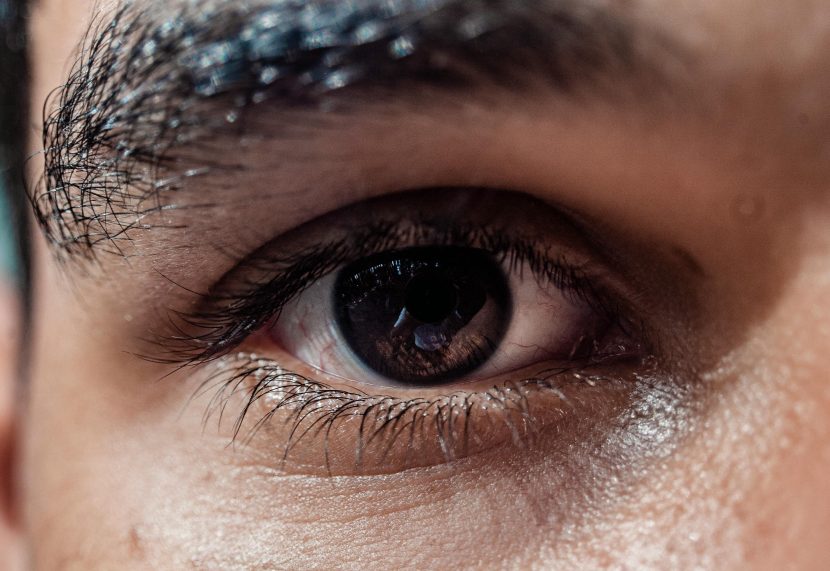
Can Glaucoma Be Cured? Understanding Your Treatment Options

Can Glaucoma Be Cured?

If you’re asking, “Can glaucoma be cured?”, the answer is that there is currently no cure for glaucoma. However, with early detection and proper treatment, you can manage the condition and prevent vision loss. Glaucoma is a group of eye diseases that damage the optic nerve, often due to increased pressure in the eye. While it cannot be reversed, treatments can slow or halt its progression.

Understanding Glaucoma Treatment Options

Although glaucoma cannot be cured, several effective treatment options can help control the disease:

  • Medicated Eye Drops: These are the most common treatment to lower intraocular pressure and prevent optic nerve damage.
  • Oral Medications: In some cases, doctors prescribe oral medications to reduce eye pressure.
  • Laser Therapy: Procedures like selective laser trabeculoplasty (SLT) or laser peripheral iridotomy (LPI) can improve fluid drainage in the eye.
  • Surgery: For advanced cases, surgeries such as trabeculectomy or drainage implants can create new pathways for fluid to leave the eye.

Lifestyle and Management Tips

While glaucoma cannot be cured, lifestyle changes can support your treatment plan:

  • Attend regular eye exams to monitor your condition.
  • Take prescribed medications consistently as directed by your doctor.
  • Exercise regularly to improve blood flow to the optic nerve.
  • Avoid smoking and limit caffeine, as both can increase eye pressure.
  • Wear protective eyewear to prevent injuries that could worsen glaucoma.

If you are unsure whether your symptoms require emergency attention, it is always safer to contact your healthcare provider or eye clinic for guidance.

At The Eye Center – Dr. Mahnaz Naveed Shah & Associates in Karachi, patients benefit from the care of internationally trained specialists across every sub-specialty of ophthalmology. Led by Dr. Mahnaz Naveed Shah, a highly experienced and dedicated glaucoma specialist with extensive training in advanced eye care, the team provides trusted support for both routine check-ups and urgent eye conditions. They will guide you on whether you need a screening, further investigation, or immediate treatment, always with your safety and comfort in mind. For expert consultation, contact 0304-111-9544 to book an appointment.

With a strong record of excellence in glaucoma and cataract care, Dr. Mahnaz Shah and her team remain committed to helping you protect your vision—with confidence.
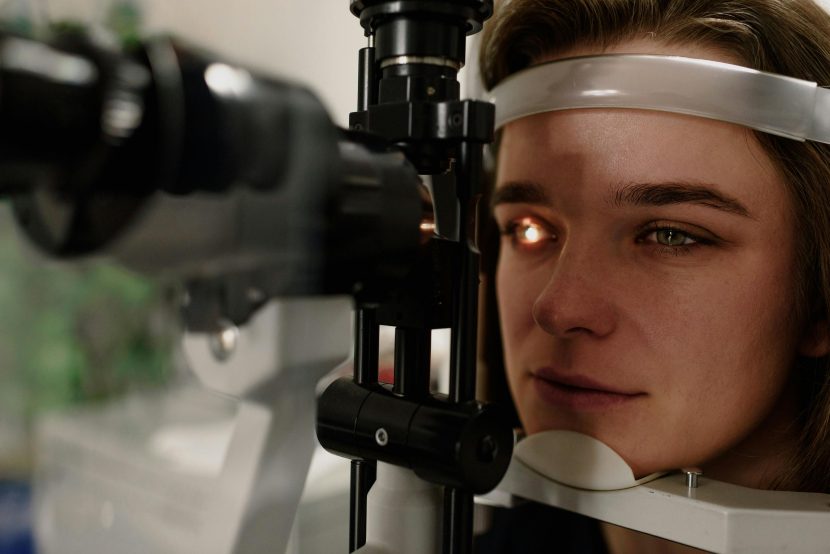
Living with Glaucoma: Lifestyle Tips for Better Eye Health

Understand Your Condition

Glaucoma is a chronic eye disease that requires ongoing management. While there’s no cure, adopting a healthy lifestyle can help slow its progression and preserve your vision.

South Asian men and women managing glaucoma through a healthy lifestyle, walking together in a park, eating a balanced meal with leafy greens, fish, and traditional Pakistani food, using eye drops, and wearing sunglasses in a serene outdoor setting with trees in the background.

Diet and Nutrition

Eat a Balanced Diet
Focus on foods rich in antioxidants, vitamins A, C, and E, and omega-3 fatty acids. Leafy greens, fish, nuts, and colorful fruits support eye health.

Stay Hydrated
Drink plenty of water to maintain healthy blood flow to the eyes.

Limit Caffeine
Excessive caffeine can increase intraocular pressure (IOP). Moderate your intake of coffee, tea, and energy drinks.

Exercise and Activity

Stay Active
Regular, moderate exercise like walking, swimming, or yoga improves blood circulation, which benefits your eyes.

Avoid Heavy Lifting
Strenuous activities, like heavy lifting or intense workouts, can increase IOP. Stick to low-impact exercises.

Practice Yoga Cautiously
Avoid head-down poses like headstands or downward dog, as they can raise eye pressure.

Medication and Eye Care

Take Prescribed Eye Drops
Use your glaucoma eye drops as directed. Set reminders if needed to ensure consistency.

Wear Protective Eyewear
Shield your eyes from UV rays and injuries with sunglasses and safety glasses.

Avoid Smoking
Smoking worsens glaucoma and increases the risk of vision loss. Quit smoking to protect your eyes.

Stress Management

Practice Relaxation Techniques
Stress can affect your overall health, including your eyes. Try meditation, deep breathing, or hobbies to reduce stress.

Get Enough Sleep
Quality sleep helps regenerate eye tissues and maintain healthy vision.

Regular Eye Exams

Visit your ophthalmologist regularly to monitor your condition. Early detection of changes can prevent further vision loss.


If you are unsure whether your symptoms require emergency attention, it is always safer to contact your healthcare provider or eye clinic for guidance.

At The Eye Center – Dr. Mahnaz Naveed Shah & Associates in Karachi, patients benefit from the care of internationally trained specialists across every sub-specialty of ophthalmology. Led by Dr. Mahnaz Naveed Shah, a highly experienced and dedicated glaucoma specialist with extensive training in advanced eye care, the team provides trusted support for both routine check-ups and urgent eye conditions. They will guide you on whether you need a screening, further investigation, or immediate treatment, always with your safety and comfort in mind. For expert consultation, contact 0304-111-9544 to book an appointment.

With a strong record of excellence in glaucoma and cataract care, Dr. Mahnaz Shah and her team remain committed to helping you protect your vision—with confidence.
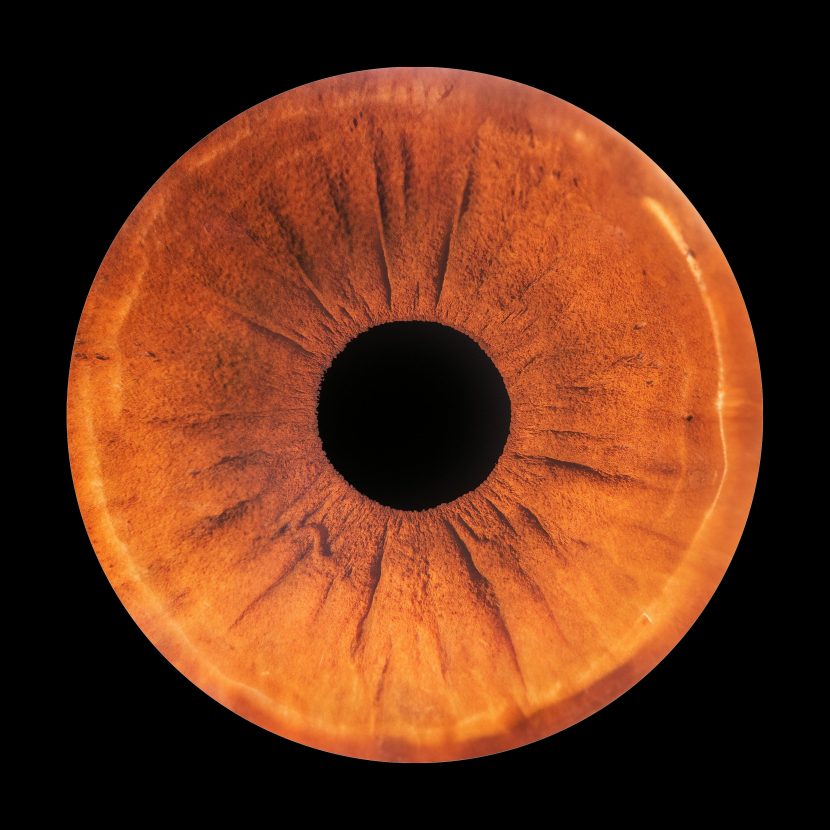
Glaucoma Risk Factors: Are You at Risk?

What Is Glaucoma?

Glaucoma is a group of eye diseases that damage the optic nerve, often due to high intraocular pressure. It can lead to permanent vision loss if left untreated. Knowing the risk factors can help you take preventive steps.

Key Risk Factors

Age
The risk of glaucoma increases significantly after age 40. Regular eye exams are crucial as you get older.

Family History
If you have a family history of glaucoma, your risk is higher. Genetic factors play a significant role in the development of the disease.

Ethnicity
People of African, Asian, or Hispanic descent have a higher risk of developing certain types of glaucoma, such as open-angle glaucoma.

High Intraocular Pressure (IOP)
Increased pressure inside the eye is a major risk factor. However, glaucoma can also occur with normal IOP.

Thin Corneas
Thinner corneas may increase the risk of glaucoma and can also affect the accuracy of IOP measurements.

Medical Conditions
Conditions like diabetes, hypertension, and migraines can increase the risk of glaucoma. Poor blood circulation may also contribute.

Myopia (Nearsightedness)
People with severe nearsightedness are at a higher risk of developing open-angle glaucoma.

Previous Eye Injuries or Surgeries
Eye injuries or surgeries can increase the risk of secondary glaucoma.

Long-Term Corticosteroid Use
Using corticosteroid eye drops or oral steroids for a long time can increase the risk of glaucoma.

How to Reduce Your Risk

Regular Eye Exams
Early detection is key. Get a comprehensive eye exam every 1–2 years, especially if you’re over 40 or have other risk factors.

Healthy Lifestyle
Exercise regularly, maintain a healthy diet, and avoid smoking to support overall eye health.

Protect Your Eyes
Wear protective eyewear during sports or activities that could cause eye injuries.


At The Eye Center – Dr. Mahnaz Naveed Shah & Associates in Karachi, patients benefit from the care of internationally trained specialists across every sub-specialty of ophthalmology. Led by Dr. Mahnaz Naveed Shah, a highly experienced and dedicated glaucoma specialist with extensive training in advanced eye care, the team provides trusted support for both routine check-ups and urgent eye conditions. They will guide you on whether you need a screening, further investigation, or immediate treatment, always with your safety and comfort in mind. For expert consultation, contact 0304-111-9544 to book an appointment.

With a strong record of excellence in glaucoma and cataract care, Dr. Mahnaz Shah and her team remain committed to helping you protect your vision—with confidence.

With a proven track record of excellence in glaucoma and cataract care, Dr. Mahnaz Shah and her team are here to help you protect your vision—with confidence.

Open Angle vs. Closed Angle Glaucoma: Key Differences

What Is Glaucoma?

Glaucoma is a group of eye diseases that damage the optic nerve, often due to high intraocular pressure (IOP). Without treatment, it can lead to permanent vision loss. The two main types are open angle and closed angle glaucoma, each with distinct characteristics.

A cross-section medical illustration comparing open angle glaucoma with a clogged trabecular meshwork and closed angle glaucoma with a blocked drainage angle due to the iris, highlighting the differences in fluid drainage.

Open Angle Glaucoma

What Happens?
In open angle glaucoma, the drainage angle between the iris and cornea remains open, but the trabecular meshwork (the eye’s drainage system) becomes clogged over time. This causes gradual pressure buildup.

Symptoms

  • Often asymptomatic in early stages.
  • Slow, painless peripheral vision loss.
  • May go unnoticed until advanced.

Risk Factors

  • Family history of glaucoma.
  • Age (more common in people over 40).
  • High myopia (nearsightedness).
  • Diabetes or hypertension.

Treatment

  • Eye drops to lower IOP.
  • Laser therapy (trabeculoplasty).
  • Surgery (trabeculectomy or drainage implants).

Closed Angle Glaucoma

What Happens?
In closed angle glaucoma, the iris blocks the drainage angle, preventing fluid from escaping. This causes a sudden, severe rise in IOP.

Symptoms

  • Severe eye pain and headache.
  • Nausea or vomiting.
  • Blurred vision or halos around lights.
  • Redness in the eye.

Risk Factors

  • Farsightedness (hyperopia).
  • Age (more common in people over 60).
  • Family history.
  • Asian or Inuit descent.

Treatment

  • Emergency care to lower IOP quickly.
  • Laser iridotomy to create a new drainage path.
  • Medications to reduce pressure.
  • Surgery if laser treatment is ineffective.


If you are unsure whether your symptoms require emergency attention, it is always safer to contact your healthcare provider or eye clinic for guidance.

At The Eye Center – Dr. Mahnaz Naveed Shah & Associates in Karachi, patients benefit from the care of internationally trained specialists across every sub-specialty of ophthalmology. Led by Dr. Mahnaz Naveed Shah, a highly experienced and dedicated glaucoma specialist with extensive training in advanced eye care, the team provides trusted support for both routine check-ups and urgent eye conditions. They will guide you on whether you need a screening, further investigation, or immediate treatment, always with your safety and comfort in mind. For expert consultation, contact 0304-111-9544 to book an appointment. With a strong record of excellence in glaucoma and cataract care, Dr. Mahnaz Shah and her team remain committed to helping you protect your vision—with confidence.
The Importance of Regular Eye Tests for Glaucoma Detection

Glaucoma is often called the “sneak thief of sight” because it can damage your vision without noticeable symptoms until it’s too late. Regular eye tests for glaucoma detection are your best defense against this silent disease. Early diagnosis through routine screenings can prevent irreversible vision loss and help preserve your eyesight.

regular eye tests for glaucoma detection

Why Glaucoma Goes Unnoticed

Glaucoma damages the optic nerve, usually due to increased pressure in the eye. In its early stages, it often has no symptoms, making it easy to overlook. By the time vision changes become noticeable, permanent damage may have already occurred. This is why regular eye tests for glaucoma detection are essential—they allow your eye specialist to catch the disease before it progresses.

How Eye Tests Detect Glaucoma

During a comprehensive eye exam, your doctor performs several tests to check for glaucoma. Tonometry measures eye pressure, while ophthalmoscopy examines the optic nerve for signs of damage. Perimetry (visual field testing) assesses your field of vision to detect any areas of vision loss. Pachymetry measures corneal thickness, which can affect eye pressure readings. These tests together provide a complete picture of your eye health.

Who Should Get Tested and How Often?

Everyone should have regular eye tests for glaucoma detection, but some people need more frequent screenings. If you’re over 40, have a family history of glaucoma, or are of African, Asian, or Hispanic descent, you’re at higher risk and should get tested every 1 to 2 years. People with diabetes, high blood pressure, or myopia should also prioritize regular eye exams.

For those over 65, annual eye tests are recommended, as the risk of glaucoma increases with age. If you have existing risk factors or a personal history of glaucoma, your eye doctor may advise more frequent testing.

The Benefits of Early Detection

Early detection through regular eye tests for glaucoma detection allows for timely treatment to slow or halt disease progression. Medications, laser therapy, or surgery can lower eye pressure and prevent further damage to the optic nerve. Without early intervention, glaucoma can lead to permanent vision loss or even blindness.


If you’re due for an eye exam or have risk factors for glaucoma, don’t delay. If you are unsure whether your symptoms require emergency attention, it is always safer to contact your healthcare provider or eye clinic for guidance.

At The Eye Center – Dr. Mahnaz Naveed Shah & Associates in Karachi, patients benefit from the care of internationally trained specialists across every sub-specialty of ophthalmology. Led by Dr. Mahnaz Naveed Shah, a highly experienced and dedicated glaucoma specialist with extensive training in advanced eye care, the team provides trusted support for both routine check-ups and urgent eye conditions. They will guide you on whether you need a screening, further investigation, or immediate treatment, always with your safety and comfort in mind. For expert consultation, contact 0304-111-9544 to book an appointment.

With a strong record of excellence in glaucoma and cataract care, Dr. Mahnaz Shah and her team remain committed to helping you protect your vision—with confidence.

Causes of Glaucoma in Children

Glaucoma in children can be congenital (present at birth) or acquired (developing later in childhood). Primary congenital glaucoma often results from abnormal development of the eye’s drainage system, leading to increased eye pressure. Other causes include genetic factors, eye injuries, cataracts, or systemic conditions like neurofibromatosis or Sturge-Weber syndrome. In some cases, glaucoma may develop after steroid use or eye surgery.

glaucoma in children symptoms and treatment

Symptoms to Watch For

Recognizing glaucoma in children symptoms is crucial for early diagnosis. Infants and young children may show signs like excessive tearing, light sensitivity, or a cloudy, enlarged cornea. You might also notice a white or hazy appearance in the eye. Older children may complain of headaches, eye pain, or blurred vision. In some cases, a child may squint frequently or avoid bright light. If you observe any of these symptoms, consult a specialist immediately.

Treatment Options

Treatment for glaucoma in children aims to lower eye pressure and preserve vision. Medications, such as eye drops, are often the first line of treatment to reduce fluid production or improve drainage. However, surgery is frequently necessary for congenital glaucoma. Common procedures include trabeculotomy, goniotomy, or trabeculectomy, which create new drainage pathways for fluid to leave the eye.

In some cases, laser surgery or drainage implants may be recommended. Early intervention is key to preventing optic nerve damage and vision loss.


If you suspect your child has glaucoma, don’t delay seeking help. If you are unsure whether your symptoms require emergency attention, it is always safer to contact your healthcare provider or eye clinic for guidance.

At The Eye Center – Dr. Mahnaz Naveed Shah & Associates in Karachi, patients benefit from the care of internationally trained specialists across every sub-specialty of ophthalmology. Led by Dr. Mahnaz Naveed Shah, a highly experienced and dedicated glaucoma specialist with extensive training in advanced eye care, the team provides trusted support for both routine check-ups and urgent eye conditions. They will guide you on whether you need a screening, further investigation, or immediate treatment, always with your safety and comfort in mind. For expert consultation, contact 0304-111-9544 to book an appointment.

With a strong record of excellence in glaucoma and cataract care, Dr. Mahnaz Shah and her team remain committed to helping you protect your vision—with confidence.

Can Glaucoma Be Cured? Understanding Your Treatment Options

managing glaucoma

Many people ask, “Can glaucoma be cured?” The short answer is no, but effective treatments can manage it. Glaucoma causes irreversible damage to the optic nerve, usually due to high eye pressure. While we cannot reverse this damage, proper care can slow or halt its progression.

Why Glaucoma Cannot Be Cured

Glaucoma damages the optic nerve, which transmits visual information to the brain. Once these nerve fibers die, they do not regenerate. This makes early detection and treatment crucial to prevent further vision loss.

Treatment Options to Manage Glaucoma

Doctors use several approaches to control glaucoma and preserve vision. Prescription eye drops lower eye pressure by reducing fluid production or improving drainage. Laser therapy, such as trabeculoplasty, enhances drainage in the eye. For advanced cases, surgery like trabeculectomy or drainage implants creates new pathways for fluid to leave the eye.

Lifestyle and Regular Care

Managing glaucoma also involves lifestyle changes. Regular exercise, a healthy diet, and avoiding smoking can support overall eye health. Most importantly, regular eye exams help doctors monitor your condition and adjust treatments as needed.


If you are unsure whether your symptoms require emergency attention, it is always safer to contact your healthcare provider or eye clinic for guidance.

At The Eye Center – Dr. Mahnaz Naveed Shah & Associates in Karachi, patients benefit from the care of internationally trained specialists across every sub-specialty of ophthalmology. Led by Dr. Mahnaz Naveed Shah, a highly experienced and dedicated glaucoma specialist with extensive training in advanced eye care, the team provides trusted support for both routine check-ups and urgent eye conditions. They will guide you on whether you need a screening, further investigation, or immediate treatment, always with your safety and comfort in mind. For expert consultation, contact 0304-111-9544 to book an appointment.

With a strong record of excellence in glaucoma and cataract care, Dr. Mahnaz Shah and her team remain committed to helping you protect your vision—with confidence.

Glaucoma Treatment in Karachi: Medications vs. Surgery

glaucoma treatment options

Glaucoma can silently damage your vision. In Karachi, patients now access effective glaucoma treatment options to control this condition. Medications and surgery both offer solutions to manage eye pressure and prevent vision loss.

Medications for Glaucoma

Doctors often prescribe eye drops to treat glaucoma. These medications reduce fluid production or improve drainage to lower eye pressure. Common types include prostaglandin analogs, beta-blockers, alpha agonists, and carbonic anhydrase inhibitors. Each has unique benefits and potential side effects, so doctors tailor treatments to individual needs.

When Surgery Becomes Necessary

If medications fail to control eye pressure, doctors may recommend surgery. Laser trabeculoplasty uses a laser to improve eye drainage. For advanced cases, trabeculectomy or drainage implants create new drainage pathways. These procedures lower eye pressure and prevent optic nerve damage.

Choosing the Right Treatment

The best glaucoma treatment options in Karachi depend on your glaucoma type, severity, and overall health. Early detection and treatment are crucial to prevent vision loss. Regular eye exams help doctors monitor your condition and adjust your treatment plan as needed.


If you are unsure whether your symptoms require emergency attention, it is always safer to contact your healthcare provider or eye clinic for guidance.

At The Eye Center – Dr. Mahnaz Naveed Shah & Associates in Karachi, patients benefit from the care of internationally trained specialists across every sub-specialty of ophthalmology. Led by Dr. Mahnaz Naveed Shah, a highly experienced and dedicated glaucoma specialist with extensive training in advanced eye care, the team provides trusted support for both routine check-ups and urgent eye conditions. They will guide you on whether you need a screening, further investigation, or immediate treatment, always with your safety and comfort in mind. For expert consultation, contact 0304-111-9544 to book an appointment.

With a strong record of excellence in glaucoma and cataract care, Dr. Mahnaz Shah and her team remain committed to helping you protect your vision—with confidence.

Glaucoma Symptoms: Early Signs You Shouldn’t Ignore

Glaucoma is often called the “sneak thief of sight” because it can slowly damage your vision without warning. Many people don’t realize they have it until it’s too late. Recognizing early glaucoma symptoms to watch for can help you seek treatment before irreversible damage occurs.

early glaucoma symptoms to watch for

The Silent Nature of Glaucoma

Most types of glaucoma, like open-angle glaucoma, develop gradually. In the early stages, there are often no noticeable symptoms. However, as the disease progresses, it begins to affect your peripheral vision. This is why regular eye exams are crucial, especially if you have risk factors like a family history of glaucoma, diabetes, or high blood pressure.


Early Signs to Watch For

One of the first signs of glaucoma is patchy blind spots in your peripheral or side vision. You might also notice tunnel vision, where your field of view narrows over time. These changes can be subtle, so they’re easy to overlook. Some people may also experience mild headaches or eye strain, but these symptoms are often attributed to other causes like stress or fatigue.

In contrast, acute angle-closure glaucoma is a medical emergency. This type can cause sudden symptoms such as severe eye pain, nausea, vomiting, and blurred vision. If you experience these symptoms, seek immediate medical attention to prevent permanent vision loss.


Why Early Detection Matters

Glaucoma damages the optic nerve, which is responsible for transmitting visual information to your brain. Once this damage occurs, it cannot be reversed. However, early detection and treatment can slow or even halt the progression of the disease. This is why it’s so important to be aware of early glaucoma symptoms to watch for and to schedule regular eye exams, especially as you age.


If you are unsure whether your symptoms require emergency attention, it is always safer to contact your healthcare provider or eye clinic for guidance.

At The Eye Center – Dr. Mahnaz Naveed Shah & Associates in Karachi, patients benefit from the care of internationally trained specialists across every sub-specialty of ophthalmology. Led by Dr. Mahnaz Naveed Shah, a highly experienced and dedicated glaucoma specialist with extensive training in advanced eye care, the team provides trusted support for both routine check-ups and urgent eye conditions. They will guide you on whether you need a screening, further investigation, or immediate treatment, always with your safety and comfort in mind. For expert consultation, contact 0304-111-9544 to book an appointment.

With a strong record of excellence in glaucoma and cataract care, Dr. Mahnaz Shah and her team remain committed to helping you protect your vision—with confidence.

Open vs Closed Angle Glaucoma: What You Need to Know

Glaucoma is a leading cause of vision loss, but not all types are the same. The two main forms—open angle and closed angle glaucoma—differ in how they develop, their symptoms, and how urgently they need treatment. Understanding open angle vs closed angle glaucoma differences helps you recognize warning signs and seek the right care.

glaucoma treatment options

Open Angle Glaucoma: The Silent Threat

Open angle glaucoma is the most common type, making up about 90% of cases. It occurs when the eye’s drainage angle remains open, but fluid drains too slowly, causing pressure to build up gradually over time.

Symptoms

  • No early warning signs: Vision loss is painless and happens slowly.
  • Peripheral vision loss is often the first noticeable change.
  • Tunnel vision develops in later stages.

Risk Factors

  • Age over 60.
  • Family history of glaucoma.
  • High eye pressure, thin corneas, or conditions like diabetes.

Treatment

Doctors typically manage open angle glaucoma with:

  • Prescription eye drops to reduce fluid or improve drainage.
  • Laser therapy (such as selective laser trabeculoplasty).
  • Surgery for advanced cases.

Closed Angle Glaucoma: A Medical Emergency

Closed angle glaucoma is less common but far more urgent. It happens when the iris suddenly blocks the drainage angle, causing eye pressure to spike rapidly.

Symptoms

  • Severe eye pain and headaches.
  • Nausea or vomiting.
  • Blurred vision and seeing halos around lights.
  • Red, swollen eyes.

This type is a medical emergency. Without immediate treatment, it can cause permanent vision loss within days.

Risk Factors

  • Farsightedness.
  • Asian or Inuit heritage.
  • Family history of closed angle glaucoma.

Treatment

Closed angle glaucoma requires fast action:

  • Laser iridotomy to create a small opening in the iris and restore fluid flow.
  • Medications to quickly lower eye pressure.
  • Surgery if the blockage persists.

Why the Difference Matters

Open angle glaucoma progresses slowly, often without symptoms until significant vision loss occurs. Regular eye exams are key to early detection and management.

Closed angle glaucoma, however, strikes suddenly and causes intense pain and rapid vision loss. If you experience these symptoms, seek emergency eye care immediately.


If you are unsure whether your symptoms require emergency attention, it is always safer to contact your healthcare provider or eye clinic for guidance.

At The Eye Center – Dr. Mahnaz Naveed Shah & Associates in Karachi, patients benefit from the care of internationally trained specialists across every sub-specialty of ophthalmology. Led by Dr. Mahnaz Naveed Shah, a highly experienced and dedicated glaucoma specialist with extensive training in advanced eye care, the team provides trusted support for both routine check-ups and urgent eye conditions. They will guide you on whether you need a screening, further investigation, or immediate treatment, always with your safety and comfort in mind. For expert consultation, contact 0304-111-9544 to book an appointment.

With a strong record of excellence in glaucoma and cataract care, Dr. Mahnaz Shah and her team remain committed to helping you protect your vision—with confidence.