
How Glaucoma Damages Vision: Understanding the Silent Thief of Sight

Glaucoma earns its reputation as the silent thief of sight because it typically progresses without warning until significant vision loss occurs. Understanding how this disease damages your eyes helps emphasize the critical importance of regular screening and early intervention to preserve your precious eyesight.
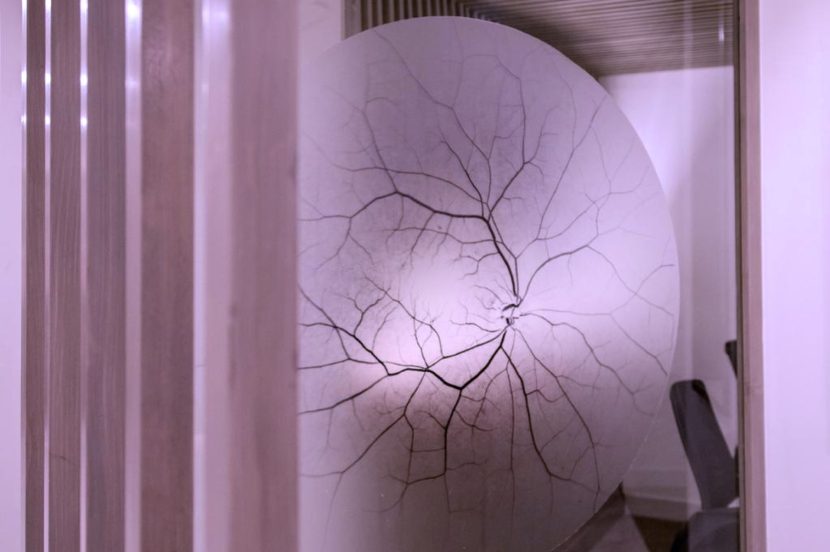
The Mechanism Behind Vision Loss

Glaucoma damages the optic nerve, the vital connection transmitting visual information from your eye to your brain. Elevated intraocular pressure often causes this damage, though some patients develop glaucoma despite normal pressure readings. The optic nerve contains over one million delicate nerve fibers that, once destroyed, cannot regenerate. As these fibers deteriorate, blind spots develop in your visual field, gradually expanding until significant vision impairment occurs.

Why Early Damage Goes Unnoticed

Your brain remarkably compensates for early glaucoma damage, filling in small blind spots so effectively that patients remain completely unaware of vision loss. Peripheral vision typically disappears first, while central vision remains sharp until advanced stages. This deceptive progression means many patients only notice symptoms after irreversible damage has occurred, making routine comprehensive eye examinations absolutely essential for detection.

Types and Their Impact

Open-angle glaucoma, the most common form, develops gradually over years. The drainage system within your eye becomes less efficient, causing pressure buildup that slowly damages nerve fibers. Angle-closure glaucoma occurs when drainage passages become suddenly blocked, creating a medical emergency requiring immediate intervention to prevent rapid vision loss and potential blindness.

Secondary glaucoma develops from other conditions including diabetes, eye injuries, or certain medications. Normal-tension glaucoma damages the optic nerve despite acceptable pressure levels, highlighting that comprehensive evaluation extends beyond simple pressure measurements.

Prevention Through Early Detection

Regular dilated eye examinations allow ophthalmologists to detect glaucoma before noticeable symptoms appear. Advanced diagnostic imaging reveals optic nerve changes and visual field loss in earliest stages when treatment most effectively preserves vision. Pressure-lowering medications, laser procedures, or surgical interventions can halt progression, protecting remaining nerve fibers from further damage. While lost vision cannot return, preventing additional deterioration maintains your current visual function and quality of life.


If you are unsure whether your symptoms require emergency attention, it is safer to call your healthcare provider or eye clinic for advice.

At The Eye Center – Dr. Mahnaz Naveed Shah & Associates in Karachi, patients benefit from the care of internationally trained specialists across every sub-specialty of ophthalmology. Led by Dr. Mahnaz Naveed Shah, a highly experienced and dedicated glaucoma specialist with extensive training in advanced eye care, the team provides trusted support for both routine check-ups and urgent eye conditions. They will guide you on whether you need a screening, further investigation, or immediate treatment, always with your safety and comfort in mind. For expert consultation, contact 0304-111-9544 to book an appointment.

With a strong record of excellence in glaucoma and cataract care, Dr. Mahnaz Shah and her team remain committed to helping you protect your vision—with confidence.
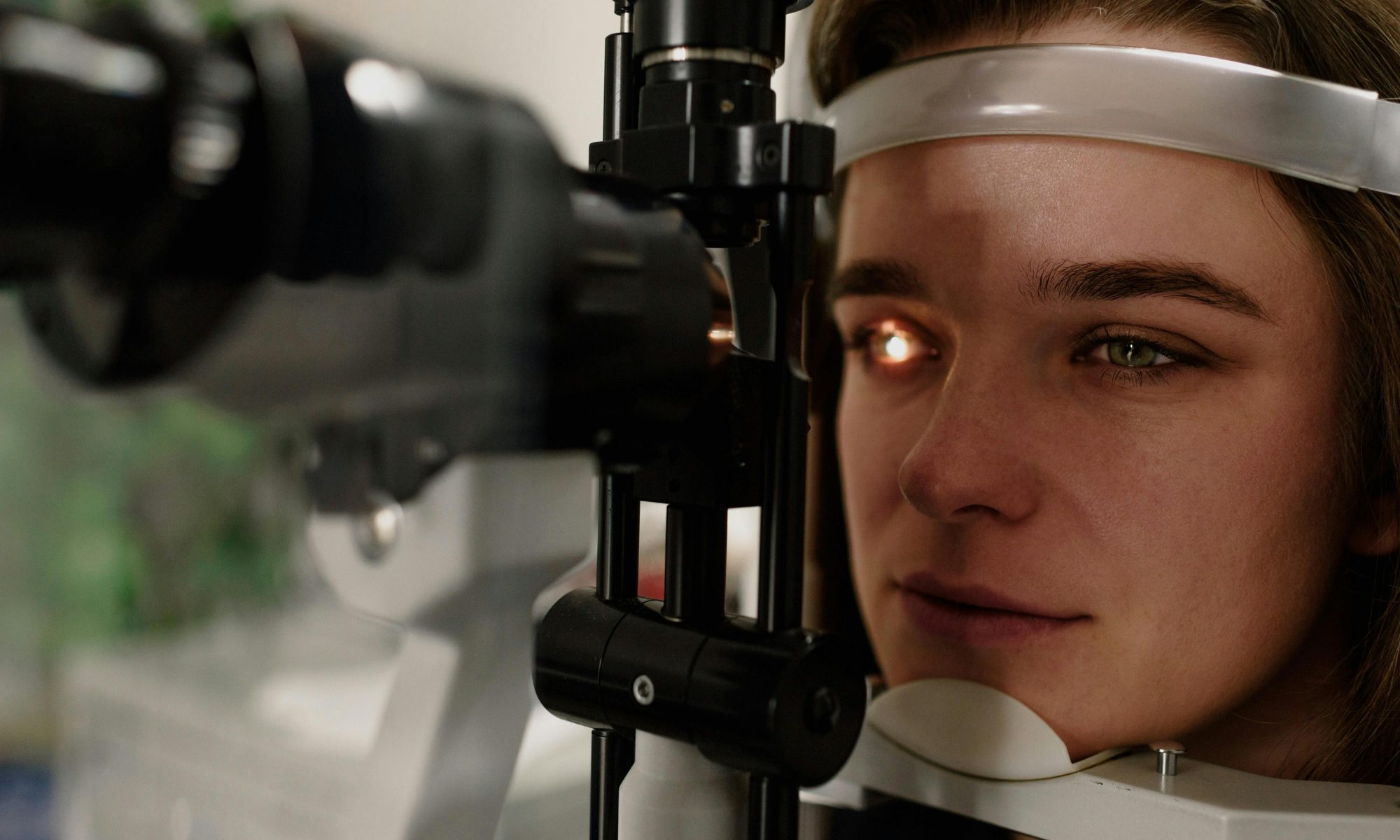

Understanding Glaucoma Progression and Vision Loss

glaucoma risks for diabetics

Glaucoma is a long-term eye disease that gradually damages the optic nerve, the structure responsible for sending visual signals from the eye to the brain. What makes glaucoma especially dangerous is the way it progresses silently. Many patients are unaware they have the condition until vision loss has already begun. Understanding how glaucoma progresses helps patients recognize why early diagnosis and ongoing care are essential.

How Glaucoma Causes Vision Loss

In most forms of glaucoma, pressure inside the eye increases because fluid does not drain properly. This elevated pressure places stress on the optic nerve over time. As nerve fibers become damaged, vision begins to deteriorate. In some cases, optic nerve damage can occur even when eye pressure appears normal, which is known as normal-tension glaucoma.

Vision loss from glaucoma usually starts in the peripheral, or side, vision. Because central vision remains clear in the early stages, patients often do not notice changes right away. As the disease advances, the visual field gradually narrows, and untreated glaucoma can eventually affect central vision as well.

Why Glaucoma Progression Often Goes Unnoticed

Glaucoma typically develops slowly and without pain. There are usually no early warning signs, which is why routine eye examinations are so important. By the time symptoms such as blurred vision or difficulty navigating appear, significant optic nerve damage may already be present.

Once vision is lost due to glaucoma, it cannot be restored. However, progression can often be slowed or stopped with proper treatment.

Factors That Influence Disease Progression

The rate at which glaucoma progresses varies from person to person. Factors such as eye pressure levels, age, family history, diabetes, and how early treatment begins all influence outcomes. Missing follow-up visits or not using prescribed eye drops regularly can also accelerate vision loss.

How Progression Is Monitored

Eye specialists monitor glaucoma using eye pressure measurements, optic nerve examinations, visual field testing, and imaging such as OCT scans. These tools allow doctors to detect even small changes over time and adjust treatment when necessary.

Protecting Vision Over Time

Although glaucoma cannot be cured, early diagnosis and consistent treatment can preserve useful vision for life. With proper monitoring and care, many patients maintain good vision and quality of life.


If you are unsure whether your symptoms require emergency attention, it is safer to call your healthcare provider or eye clinic for advice.

With Pakistan’s internationally trained and most experienced cataract surgeons, corneal transplant surgeons, and eye surgeons specializing in every single sub-specialty in ophthalmology, The Eye Center – Dr. Mahnaz Naveed Shah & Associates in Karachi provides expert guidance for both routine and urgent eye care needs. Their team can advise whether you should schedule a screening or seek immediate attention, ensuring safety and comfort. For expert consultation, contact 0304-111-9544 to book an appointment.

With a proven track record of excellence in glaucoma and cataract care, Dr. Mahnaz Shah and her team are here to help you protect your vision—with confidence.

Glaucoma and Family History: Why Screening Matters

open angle glaucoma vision loss

Glaucoma is one of the leading causes of irreversible blindness worldwide. What makes this condition especially dangerous is that it often develops without noticeable symptoms until significant vision loss has already occurred. If glaucoma runs in your family, your risk is significantly higher—making regular screening essential for protecting your sight.

How Family History Increases Glaucoma Risk

Glaucoma has a strong genetic component. If a parent, sibling, or close relative has glaucoma, your chances of developing the condition are much higher than average. Studies show that first-degree relatives of glaucoma patients may have up to four to nine times greater risk of developing the disease.

Because this increased risk is inherited, glaucoma can appear earlier in life and progress more rapidly if not detected in time.

Why Glaucoma Is Often Missed

Most common forms of glaucoma, especially open-angle glaucoma, develop slowly and painlessly. Vision loss usually begins in the peripheral (side) vision, which many people do not notice until the disease is advanced.

This is why relying on symptoms alone is dangerous. By the time vision changes are obvious, optic nerve damage is often permanent.

The Importance of Early Screening

Regular glaucoma screening allows eye specialists to detect the disease before vision is affected. Screening helps to:

  • Measure eye pressure accurately
  • Examine the optic nerve for early damage
  • Perform visual field testing to detect subtle vision loss
  • Monitor changes over time

Early diagnosis allows treatment to begin before permanent vision loss occurs.

Who Should Be Screened—and When

People with a family history of glaucoma should:

  • Begin screening earlier, often before age 40
  • Have regular eye exams every 1–2 years
  • Be monitored more frequently if early changes are detected

Screening is especially important for individuals with diabetes, high myopia, long-term steroid use, or African or South Asian ancestry.

Protecting Your Vision Long Term

Glaucoma cannot be cured, but it can be controlled with early treatment. Options include eye drops, laser therapy, or surgery—depending on disease severity. When detected early, most patients maintain useful vision for life.


If you are unsure whether your symptoms require emergency attention, it is safer to call your healthcare provider or eye clinic for advice.

With Pakistan’s internationally trained and most experienced cataract surgeons, corneal transplant surgeons and eye surgeons specializing in every single sub specialty in ophthalmology, The Eye Center – Dr. Mahnaz Naveed Shah & Associates in Karachi provides guidance for both routine and urgent eye care needs. Their team can advise whether you should schedule a screening or seek immediate attention, ensuring safety and comfort. For expert consultation, contact The Eye Center – Dr. Mahnaz Naveed Shah & Associates at 03041119544 to book an appointment.

With a proven track record of excellence in glaucoma and cataract care, Dr. Mahnaz Shah and her team are here to help you protect your vision—with confidence.