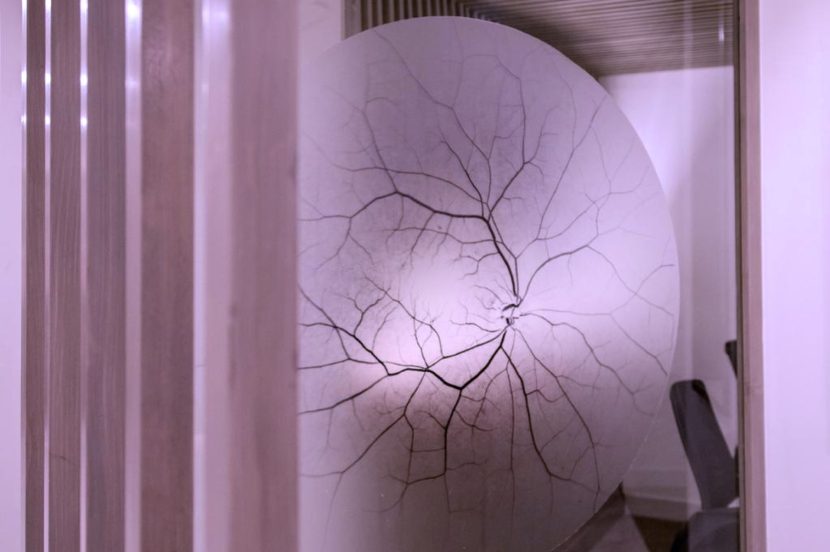
Glaucoma Awareness in Karachi: Spreading Knowledge to Save Sight

Glaucoma is often called the “silent thief of sight” because it causes vision loss with few or no early symptoms. In Karachi, where glaucoma is increasingly common due to aging populations, diabetes, and limited routine screening, raising awareness is essential. Early diagnosis remains the most powerful tool for preventing permanent damage and preserving long-term vision.

Why Glaucoma Awareness Matters

Glaucoma damages the optic nerve, usually due to high eye pressure. Because the condition progresses quietly, many people only notice symptoms once significant vision has already been lost. This loss is irreversible—but early intervention can dramatically slow or stop progression.

Increasing public awareness helps more people recognize risk factors, seek regular eye examinations, and understand the importance of timely treatment.

Who Is at Risk?

Anyone can develop glaucoma, but certain groups are at higher risk:

  • People over age 40
  • Individuals with a family history of glaucoma
  • Diabetic patients
  • Those with high eye pressure
  • People with thin corneas or high myopia
  • Long-term steroid users

Knowing these risk factors helps identify people who need yearly or more frequent screenings.

Recognizing Symptoms—Even When There Are None

Most types of glaucoma, especially open-angle glaucoma, show no early signs. However, some warning symptoms may include:

  • Blurred or patchy vision
  • Halos around lights
  • Eye pressure or discomfort
  • Headaches
  • Sudden loss of vision (in emergencies like acute angle-closure glaucoma)

Public education ensures these warning signs are not ignored.

How Karachi Residents Can Protect Their Vision

Glaucoma awareness campaigns emphasize the importance of:

  • Regular comprehensive eye exams
  • OCT and visual field testing for at-risk individuals
  • Following prescribed treatment plans
  • Avoiding self-prescribed steroid drops
  • Seeking urgent care for sudden vision changes

Even simple steps—such as routine screenings—can save sight.

Building a More Informed Community

Schools, workplaces, and community clinics in Karachi can play a key role by organizing awareness events, offering vision screenings, and educating families about preventive eye care.


If you are unsure whether your symptoms require emergency attention, it is safer to call your healthcare provider or eye clinic for advice.

With Pakistan’s internationally trained and most experienced cataract surgeons, corneal transplant surgeons and eye surgeons specializing in every single sub specialty in ophthalmology, The Eye Center – Dr. Mahnaz Naveed Shah & Associates in Karachi provides guidance for both routine and urgent eye care needs. Their team can advise whether you should schedule a screening or seek immediate attention, ensuring safety and comfort. For expert consultation, contact The Eye Center – Dr. Mahnaz Naveed Shah & Associates at 03041119544 to book an appointment.

With a proven track record of excellence in glaucoma and cataract care, Dr. Mahnaz Shah and her team are here to help you protect your vision—with confidence.
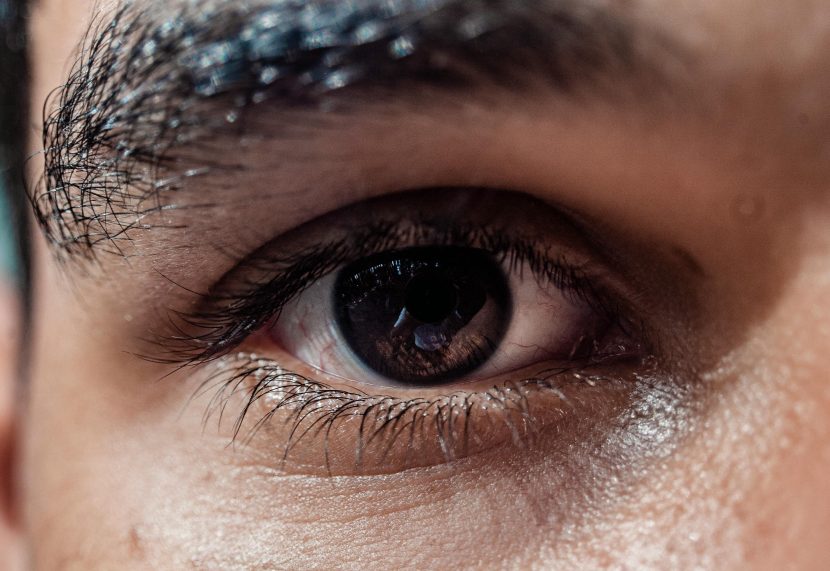
Normal Tension Glaucoma Treatment in Karachi: Advanced Care Options

early glaucoma symptoms to watch for

Normal Tension Glaucoma Treatment in Karachi: Advanced Care Options

Normal Tension Glaucoma (NTG) is a form of glaucoma in which optic nerve damage occurs despite eye pressure being within the normal range. Because there is no obvious rise in pressure, the condition is often overlooked until vision loss has already begun. Early diagnosis and specialized treatment are essential, and Karachi offers advanced options to help protect the optic nerve and prevent further damage.

Understanding Normal Tension Glaucoma

NTG behaves differently from other types of glaucoma. Even though eye pressure is not elevated, the optic nerve remains vulnerable. Factors that may contribute include:

  • Reduced blood flow to the optic nerve
  • Vascular disorders
  • Family history of glaucoma
  • Thin corneas
  • Sleep apnea or low nighttime blood pressure

Symptoms develop slowly and may include blind spots, difficulty with peripheral vision, or subtle changes noticed only during routine examinations.

How NTG Is Diagnosed

A glaucoma specialist will use multiple tests to detect early nerve damage, including:

  • Optical Coherence Tomography (OCT)
  • Visual field testing
  • Optic nerve imaging
  • Pachymetry (corneal thickness measurement)

Because NTG is often missed in general eye exams, seeing a specialist is crucial.

Treatment Options for NTG

The main goal of NTG treatment is to reduce eye pressure even further—below the typical “normal” range—to slow or halt progression. Treatment options available in Karachi include:

1. Medicated eye drops
These help lower pressure and improve blood flow around the optic nerve.

2. Selective Laser Trabeculoplasty (SLT)
A safe, non-invasive laser procedure that reduces eye pressure without long-term medication dependence.

3. Minimally Invasive Glaucoma Surgery (MIGS)
These procedures offer effective pressure reduction with fast recovery.

4. Lifestyle and systemic management
Managing blood pressure, improving sleep quality, and treating vascular issues can support overall optic nerve health.

Why Early and Ongoing Care Matters

Because NTG progresses silently, long-term monitoring is essential. With regular checkups and timely treatment, most patients maintain good vision and prevent significant nerve damage.


If you are unsure whether your symptoms require emergency attention, it is safer to call your healthcare provider or eye clinic for advice.

With Pakistan’s internationally trained and most experienced cataract surgeons, corneal transplant surgeons and eye surgeons specializing in every single sub specialty in ophthalmology, The Eye Center – Dr. Mahnaz Naveed Shah & Associates in Karachi provides guidance for both routine and urgent eye care needs. Their team can advise whether you should schedule a screening or seek immediate attention, ensuring safety and comfort. For expert consultation, contact The Eye Center – Dr. Mahnaz Naveed Shah & Associates at 03041119544 to book an appointment.

With a proven track record of excellence in glaucoma and cataract care, Dr. Mahnaz Shah and her team are here to help you protect your vision—with confidence.
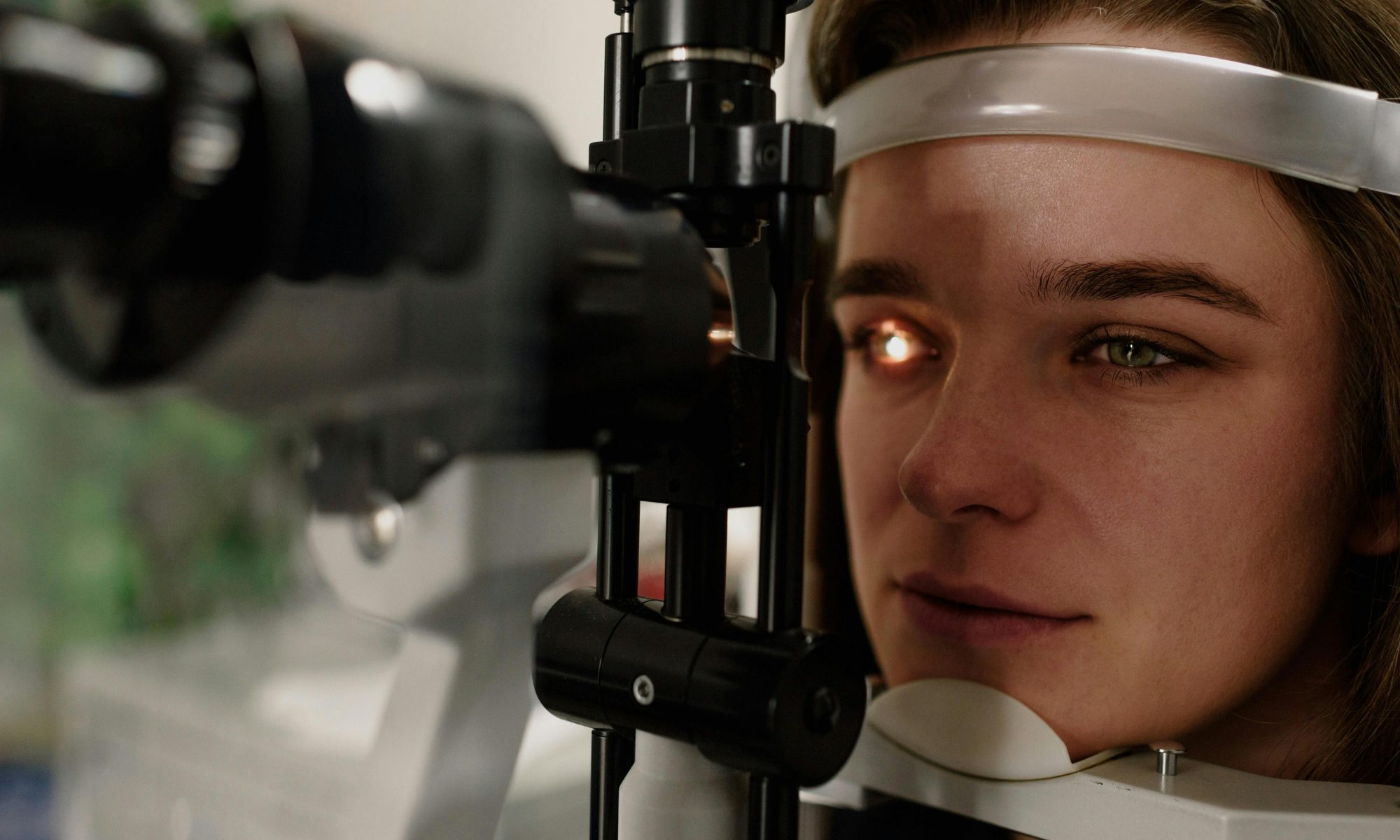
Glaucoma Specialists in Karachi: Finding the Right Care

managing glaucoma

Glaucoma is one of the leading causes of irreversible blindness worldwide, and early diagnosis is the most effective way to protect vision. Because the condition often progresses silently, choosing the right glaucoma specialist in Karachi is essential for timely treatment, accurate monitoring, and long-term eye health.

With advanced diagnostic technology and highly trained ophthalmologists, Karachi offers excellent options for patients seeking expert glaucoma care.

Why You Need a Glaucoma Specialist

Glaucoma is a chronic disease that damages the optic nerve, usually due to high eye pressure. Since symptoms may not appear until significant vision loss has occurred, regular examinations by a specialist are crucial.

A glaucoma specialist can:

  • Identify early changes in the optic nerve
  • Use advanced imaging such as OCT and visual field testing
  • Recommend personalized treatment plans
  • Monitor long-term progression
  • Provide access to medical, laser, or surgical options

Choosing a specialist ensures that changes are detected early—when treatment is most effective.

Available Treatment Options

Depending on the type and severity of glaucoma, a specialist in Karachi may recommend:

  • Medicated eye drops to reduce eye pressure
  • Laser treatment such as Selective Laser Trabeculoplasty (SLT)
  • Minimally Invasive Glaucoma Surgery (MIGS)
  • Trabeculectomy or drainage implants for advanced disease

Laser and minimally invasive procedures have become increasingly common due to their safety and faster recovery.

What to Look for in a Glaucoma Specialist

When choosing a glaucoma specialist in Karachi, consider:

  • Experience with complex and advanced cases
  • Access to modern diagnostic tools (OCT, pachymetry, visual fields)
  • Expertise in medical, laser, and surgical treatments
  • A patient-centered approach with clear explanations and follow-up care

A good specialist will guide you through every step and adjust treatment as needed.

When to Seek Immediate Care

Seek urgent evaluation if you notice sudden eye pain, blurred vision, halos around lights, headache, nausea, or rapid vision loss—these may indicate acute angle closure, a medical emergency.


If you are unsure whether your symptoms require emergency attention, it is safer to call your healthcare provider or eye clinic for advice.

With Pakistan’s internationally trained and most experienced cataract surgeons, corneal transplant surgeons and eye surgeons specializing in every single sub specialty in ophthalmology, The Eye Center – Dr. Mahnaz Naveed Shah & Associates in Karachi provides guidance for both routine and urgent eye care needs. Their team can advise whether you should schedule a screening or seek immediate attention, ensuring safety and comfort. For expert consultation, contact The Eye Center – Dr. Mahnaz Naveed Shah & Associates at 03041119544 to book an appointment.

With a proven track record of excellence in glaucoma and cataract care, Dr. Mahnaz Shah and her team are here to help you protect your vision—with confidence.
Laser Therapy for Glaucoma in Karachi: Safe and Effective Treatment

managing glaucoma

Glaucoma is a progressive eye condition that damages the optic nerve, often due to elevated eye pressure. Without timely treatment, it can lead to irreversible vision loss. While medications and surgery are important options, laser therapy has become one of the safest and most effective treatments available in Karachi for managing many forms of glaucoma.

Laser procedures are quick, minimally invasive, and performed in an outpatient setting, making them a preferred choice for patients seeking reliable pressure control with minimal discomfort.

How Laser Therapy Works

Laser treatment for glaucoma aims to improve how fluid drains from the eye, reducing intraocular pressure (IOP). The two most common types used in Karachi are:

1. Selective Laser Trabeculoplasty (SLT)
SLT gently targets the drainage tissue to improve fluid flow. It is painless, takes only a few minutes, and can reduce or even eliminate the need for daily eye drops.

2. Laser Peripheral Iridotomy (LPI)
Used for angle-closure glaucoma or narrow angles, LPI creates a small opening in the iris to enhance fluid circulation. This prevents sudden pressure spikes and reduces long-term risk.

Both procedures are performed without incisions, allowing patients to return home immediately after treatment.

Benefits of Laser Therapy

Laser treatment offers several advantages:

  • Non-invasive and quick
  • Minimal discomfort
  • Reduced dependence on eye drops
  • Lower risk compared to traditional surgery
  • Suitable for both early and moderate stages of glaucoma

In many patients, laser therapy is recommended as a first-line treatment, particularly when medication is difficult to manage or causes side effects.

What to Expect After Treatment

Following the procedure, patients may experience mild redness or a scratchy sensation, which typically resolves within hours. Your eye specialist will monitor eye pressure and may recommend additional drops temporarily.

Laser effects can last months to years, and the procedure can be repeated if needed.


If you are unsure whether your symptoms require emergency attention, it is safer to call your healthcare provider or eye clinic for advice.

With Pakistan’s internationally trained and most experienced cataract surgeons, corneal transplant surgeons and eye surgeons specializing in every single sub specialty in ophthalmology, The Eye Center – Dr. Mahnaz Naveed Shah & Associates in Karachi provides guidance for both routine and urgent eye care needs. Their team can advise whether you should schedule a screening or seek immediate attention, ensuring safety and comfort. For expert consultation, contact The Eye Center – Dr. Mahnaz Naveed Shah & Associates at 03041119544 to book an appointment.

With a proven track record of excellence in glaucoma and cataract care, Dr. Mahnaz Shah and her team are here to help you protect your vision—with confidence.
Glaucoma Drainage Device Surgery in Karachi: What to Expect

early glaucoma symptoms to watch for

For patients whose eye pressure remains uncontrolled despite medications or laser treatments, glaucoma drainage device surgery may be the best option. This advanced procedure helps prevent further vision loss by safely lowering intraocular pressure. If you’re considering glaucoma drainage device surgery in Karachi, understanding the process can help you feel prepared and confident.

What Is a Glaucoma Drainage Device?

A glaucoma drainage device—also known as a tube shunt or implant—is a small medical device that helps fluid drain from the eye to maintain normal pressure. It’s recommended when other treatments for glaucoma have not been successful or are no longer effective.

How the Surgery Works

During the procedure, your ophthalmic surgeon places a tiny silicone tube and plate beneath the outer layer of the eye (the conjunctiva). The tube directs excess fluid to a small reservoir, where it is absorbed naturally by surrounding tissues. This effectively reduces pressure inside the eye, protecting the optic nerve from further damage.

The surgery is usually performed under local anesthesia with mild sedation and takes about an hour. Most patients go home the same day.

Recovery and Results

After surgery, your doctor will prescribe eye drops to prevent infection and control inflammation. Vision may be slightly blurry for a few days, but it gradually improves as healing progresses. Regular follow-up visits are essential to monitor eye pressure and ensure the device is functioning properly.

With proper care, glaucoma drainage implants can control eye pressure for many years and reduce dependence on multiple medications.

If you are unsure whether your symptoms require emergency attention, it is safer to call your healthcare provider or eye clinic for advice.


With Pakistan’s internationally trained and most experienced cataract surgeons, corneal transplant surgeons and eye surgeons specializing in every single sub specialty in ophthalmology, The Eye Center – Dr. Mahnaz Naveed Shah & Associates in Karachi provides guidance for both routine and urgent eye care needs. Their team can advise whether you should schedule a screening or seek immediate attention, ensuring safety and comfort. For expert consultation, contact The Eye Center – Dr. Mahnaz Naveed Shah & Associates at 03041119544 to book an appointment.

With a proven track record of excellence in glaucoma and cataract care, Dr. Mahnaz Shah and her team are here to help you protect your vision—with confidence.
Glaucoma Surgery in Karachi: When Is It Needed?

glaucoma and diabetes connection

Glaucoma is a progressive eye condition that damages the optic nerve, often due to elevated pressure inside the eye. If left untreated, it can cause irreversible vision loss. While eye drops and medications can control glaucoma in many patients, some cases require glaucoma surgery to protect vision. Understanding when surgery is needed helps patients take timely, informed action.

When Is Glaucoma Surgery Recommended?

Your ophthalmologist may recommend surgery if:

  • Eye pressure remains high despite using prescribed drops or medications
  • Laser treatments have not successfully controlled intraocular pressure (IOP)
  • You experience worsening vision or optic nerve damage
  • You cannot tolerate glaucoma medications due to side effects

Glaucoma surgery helps reduce eye pressure by improving fluid drainage or decreasing fluid production within the eye.

Types of Glaucoma Surgery

There are several modern surgical options available in Karachi:

  1. Trabeculectomy: Creates a new drainage channel to lower eye pressure.
  2. Glaucoma Drainage Implants (Tubes): Small devices inserted to help fluid flow out of the eye safely.
  3. Minimally Invasive Glaucoma Surgery (MIGS): Newer, less invasive procedures that lower pressure with faster recovery.
  4. Laser Trabeculoplasty: A laser is used to open the eye’s natural drainage pathways.

Your ophthalmologist will determine the most suitable procedure based on your specific type of glaucoma and eye health.

Why Early Intervention Matters

Glaucoma damage cannot be reversed, but surgery can prevent further vision loss. Early detection and prompt treatment are key to preserving sight and maintaining quality of life.

If you are unsure whether your symptoms require emergency attention, it is safer to call your healthcare provider or eye clinic for advice.


With Pakistan’s internationally trained and most experienced cataract surgeons, corneal transplant surgeons and eye surgeons specializing in every single sub specialty in ophthalmology, The Eye Center – Dr. Mahnaz Naveed Shah & Associates in Karachi provides guidance for both routine and urgent eye care needs. Their team can advise whether you should schedule a screening or seek immediate attention, ensuring safety and comfort. For expert consultation, contact The Eye Center – Dr. Mahnaz Naveed Shah & Associates at 03041119544 to book an appointment.

With a proven track record of excellence in glaucoma and cataract care, Dr. Mahnaz Shah and her team are here to help you protect your vision—with confidence.

Pediatric Glaucoma Treatment in Karachi: Early Signs & Care

managing glaucoma

Pediatric glaucoma—also known as childhood glaucoma—is a rare but serious condition that can cause irreversible vision loss if not treated early. Unlike adult glaucoma, pediatric glaucoma often appears at birth (congenital) or develops during early childhood. Because children may not express discomfort clearly, recognizing early signs and accessing specialist care in Karachi is crucial for protecting their long-term vision.

Understanding Pediatric Glaucoma

Pediatric glaucoma occurs when fluid inside the eye does not drain properly, causing increased pressure that damages the optic nerve. This may be due to abnormal eye development, genetic conditions, previous eye surgery, trauma, or inflammation.

The condition progresses quickly in children, making early diagnosis essential.

Early Signs Parents Should Look For

Children cannot always describe vision problems, so parents must watch for symptoms such as:

  • Excessive tearing
  • Sensitivity to light
  • Cloudy or enlarged cornea
  • Frequent eye rubbing
  • Enlarged, “bulging” eyes (buphthalmos)
  • Poor vision or difficulty focusing

Any of these signs require immediate assessment by a pediatric ophthalmologist.

How Pediatric Glaucoma Is Diagnosed

Specialists use several tests adapted for infants and young children, including:

  • Measurement of eye pressure
  • Examination under anesthesia (if necessary)
  • Corneal examination
  • Optic nerve imaging

Early diagnosis allows treatment before significant optic nerve damage occurs.

Treatment Options in Karachi

Pediatric glaucoma usually requires surgical treatment because medications alone are often not sufficient. Options include:

• Goniotomy or trabeculotomy – Opens the eye’s drainage system to reduce pressure.
• Trabeculectomy or drainage implants – Used for advanced or complex cases.
• Medication – Sometimes combined with surgery to control pressure.

The choice depends on the child’s age, glaucoma type, and severity.

Long-Term Care and Follow-Up

Children with glaucoma need lifelong monitoring, even after successful surgery. Regular follow-up appointments ensure stable eye pressure and healthy optic nerve development.

Parents play a key role by keeping all appointments and following medication instructions carefully.

Conclusion (as provided)

If you are unsure whether your symptoms require emergency attention, it is safer to call your healthcare provider or eye clinic for advice.


With Pakistan’s internationally trained and most experienced cataract surgeons, corneal transplant surgeons and eye surgeons specializing in every single sub specialty in ophthalmology, The Eye Center – Dr. Mahnaz Naveed Shah & Associates in Karachi provides guidance for both routine and urgent eye care needs. Their team can advise whether you should schedule a screening or seek immediate attention, ensuring safety and comfort. For expert consultation, contact The Eye Center – Dr. Mahnaz Naveed Shah & Associates at 03041119544 to book an appointment.

With a proven track record of excellence in glaucoma and cataract care, Dr. Mahnaz Shah and her team are here to help you protect your vision—with confidence.

Glaucoma Symptoms in Karachi: Don’t Ignore the Warning Signs

glaucoma treatment options

Glaucoma is one of the leading causes of irreversible blindness worldwide — and Karachi is no exception. Unfortunately, many people don’t realize they have glaucoma until significant vision loss has already occurred. Recognizing early glaucoma symptoms in Karachi and seeking prompt medical advice can make a critical difference in preserving your sight.

Understanding Glaucoma

Glaucoma refers to a group of eye conditions that damage the optic nerve, usually due to increased pressure inside the eye. Over time, this pressure can lead to gradual loss of vision if left untreated. Because glaucoma often develops without obvious symptoms in its early stages, it is sometimes called the “silent thief of sight.”

Common Warning Signs

While early-stage glaucoma may have no noticeable signs, some people experience:

  • Blurred or hazy vision
  • Sudden eye pain or headaches
  • Seeing halos or rainbow-colored rings around lights
  • Gradual loss of peripheral (side) vision
  • Nausea or vomiting in acute cases

If you experience any of these glaucoma symptoms in Karachi, it’s essential not to delay an eye check-up. Early detection through comprehensive eye examinations is the best way to prevent permanent vision loss.

Why Early Diagnosis Matters

Glaucoma damage cannot be reversed—but timely treatment can slow or prevent further vision loss. Regular eye exams, especially for those over 40 or with a family history of glaucoma, are essential for maintaining eye health.


Expert Eye Care in Karachi

If you are unsure whether your symptoms require emergency attention, it is safer to call your healthcare provider or eye clinic for advice.

With Pakistan’s internationally trained and most experienced cataract surgeons, corneal transplant surgeons and eye surgeons specializing in every single sub specialty in ophthalmology, The Eye Center – Dr. Mahnaz Naveed Shah & Associates in Karachi provides guidance for both routine and urgent eye care needs. Their team can advise whether you should schedule a screening or seek immediate attention, ensuring safety and comfort. For expert consultation, contact The Eye Center – Dr. Mahnaz Naveed Shah & Associates at 03041119544 to book an appointment.

With a proven track record of excellence in glaucoma and cataract care, Dr. Mahnaz Shah and her team are here to help you protect your vision—with confidence.

Glaucoma Treatment in Karachi: Preserving Your Vision

Glaucoma is a serious eye condition that can lead to permanent vision loss if left untreated. Known as the “silent thief of sight,” glaucoma often progresses without noticeable symptoms until significant damage has already occurred. Fortunately, with timely glaucoma treatment in Karachi, patients can protect their eyesight and maintain a good quality of life.


Understanding Glaucoma

Glaucoma is caused by increased pressure within the eye (intraocular pressure) that damages the optic nerve. There are several types, including open-angle, angle-closure, and secondary glaucoma. Regular eye exams are essential because early stages typically have no symptoms.

Modern Glaucoma Treatments

The goal of glaucoma treatment is to lower eye pressure and prevent further damage to the optic nerve. Treatment plans are customized for each patient and may include:

  • Prescription eye drops: Often the first line of treatment, these help reduce eye pressure.
  • Oral medications: Used when eye drops alone are not sufficient.
  • Laser therapy: A minimally invasive option to improve fluid drainage from the eye.
  • Surgical procedures: In advanced cases, surgeries like trabeculectomy or tube shunt implantation may be recommended to control eye pressure effectively.

Access to specialized glaucoma care in Karachi means patients benefit from modern diagnostic tools, experienced surgeons, and individualized treatment strategies.

Benefits of Early Detection and Ongoing Care

Early detection is key to preserving vision. Regular screenings allow for prompt intervention, often before vision loss occurs. With consistent treatment and follow-up, most patients can manage their glaucoma successfully for many years.

Recovery and Long-Term Management

Glaucoma is a chronic condition that requires lifelong monitoring. Patients must use medications consistently, attend regular follow-ups, and report any changes in vision. Adhering to the treatment plan helps maintain stable eye pressure and prevent progression.


If you are unsure whether your symptoms require emergency attention, it is safer to call your healthcare provider or eye clinic for advice.

With Pakistan’s internationally trained and most experienced cataract surgeons, corneal transplant surgeons and eye surgeons specializing in every single sub specialty in ophthalmology, The Eye Center – Dr. Mahnaz Naveed Shah & Associates in Karachi provides guidance for both routine and urgent eye care needs. Their team can advise whether you should schedule a screening or seek immediate attention, ensuring safety and comfort. For expert consultation, contact The Eye Center – Dr. Mahnaz Naveed Shah & Associates at 03041119544 to book an appointment.

With a proven track record of excellence in glaucoma and cataract care, Dr. Mahnaz Shah and her team are here to help you protect your vision—with confidence.

Surgical vs Non-Surgical Glaucoma Treatments in Karachi

Glaucoma is a condition where increased intraocular pressure damages the optic nerve, risking vision loss over time. In Karachi, patients have access to both non-surgical and surgical treatment options. Choosing between them depends on how advanced the disease is, how well other treatments have worked, and your overall health and preferences. Here’s a guide to the main types of glaucoma treatments available, especially in a setting like The Eye Center – Dr. Mahnaz Naveed Shah & Associates.


Non-Surgical Treatment Options

Non-surgical glaucoma treatments are typically the first line of action. They’re less invasive and often reversible, with fewer immediate risks. Key methods include:

  • Medications: Prescription eye drops or oral medications to lower fluid production or increase drainage. Regular use, correct technique, and follow-ups are essential.
  • Laser treatments: Including Selective Laser Trabeculoplasty (SLT), Argon Laser Trabeculoplasty (ALT), and newer modalities. These non-invasive or minimally invasive laser procedures help improve drainage through the eye’s natural channels.

Advantages:

  • Lower risk compared to surgery
  • Usually outpatient / clinic-based
  • Quicker recovery
  • Can reduce or delay need for surgery

Limitations:

  • May be less effective in advanced glaucoma
  • Effectiveness may diminish over time; repeat treatment or additional interventions may be needed
  • Side effects from medications or temporary laser effects may occur

Surgical Treatment Options

When non-surgical treatments are insufficient, or if glaucoma is advanced, surgery becomes an option. In Karachi, skilled ophthalmic surgeons can offer:

  • Traditional surgeries:
    • Trabeculectomy – creating a new drainage route by making a flap in the sclera and allowing fluid to exit under the conjunctiva, forming a filtering bleb.
    • Tube-shunt / drainage device implantation – inserting a small tube or valve to divert excess fluid.
  • Minimally Invasive Glaucoma Surgery (MIGS):
    Less aggressive surgical options involving smaller incisions, faster recovery, and reduced risk of complications. MIGS may involve micro-stents, micro-shunts, or devices that help fluid drainage with less tissue disturbance.

Advantages:

  • Greater reduction in intraocular pressure (IOP) — helpful in advanced disease
  • Reduced dependence on medications
  • MIGS options offer a balance: more pressure lowering than non-surgical, but less risk than full surgery

Risks / Considerations:

  • Possible complications: infection, bleeding, low pressure (hypotony), scarring, or cataract formation
  • Longer recovery periods for more invasive surgeries
  • Careful follow-ups required; sometimes revisions are needed

Which Should You Choose?

  • Non-surgical treatment is often tried first—medication and/or laser—especially in early or moderate glaucoma.
  • If IOP remains uncontrolled, optic nerve damage progresses, or medications cause intolerable side effects, surgical options may be recommended.
  • MIGS may be considered earlier in suitable patients because of favorable risk profiles.

If you are unsure whether your symptoms require emergency attention, it is safer to call your healthcare provider or eye clinic for advice.

With Pakistan’s internationally trained and most experienced cataract surgeons, corneal transplant surgeons and eye surgeons specializing in every single sub specialty in ophthalmology, The Eye Center – Dr. Mahnaz Naveed Shah & Associates in Karachi provides guidance for both routine and urgent eye care needs. Their team can advise whether you should schedule a screening or seek immediate attention, ensuring safety and comfort. For expert consultation, contact The Eye Center – Dr. Mahnaz Naveed Shah & Associates at 03041119544 to book an appointment.

With a proven track record of excellence in glaucoma and cataract care, Dr. Mahnaz Shah and her team are here to help you protect your vision—with confidence.