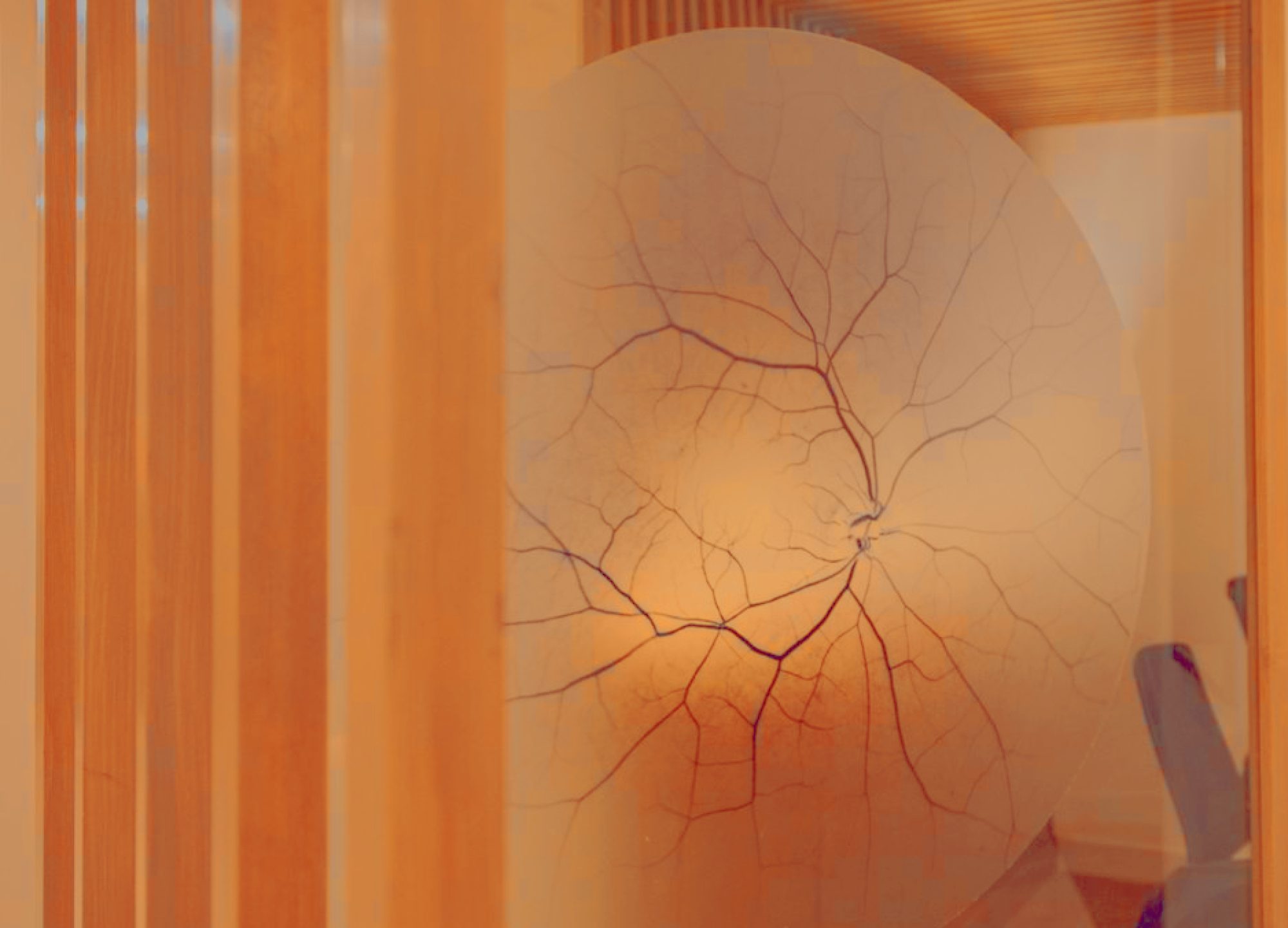
Understanding Glaucoma
Glaucoma is a group of eye conditions that damage the optic nerve, often due to abnormally high pressure in the eye. It is one of the leading causes of blindness, particularly in older adults. In Karachi, where access to healthcare can vary, recognizing the early signs of glaucoma is crucial for timely intervention and prevention of vision loss.
The Importance of Early Detection
Glaucoma is often called the “sneak thief of sight” because it can progress slowly and without noticeable symptoms in its early stages. By the time symptoms become apparent, irreversible damage may have already occurred. This makes early detection through regular eye exams essential, especially for those at higher risk, such as individuals over 40, those with a family history of glaucoma, or people with diabetes.
Early Signs of Glaucoma
While some forms of glaucoma, such as open-angle glaucoma, may not present noticeable symptoms until later stages, there are early signs of glaucoma that Karachi patients should be aware of:
- Patchy Blind Spots: These may appear in your peripheral or central vision and can be an early indicator of optic nerve damage.
- Tunnel Vision: In advanced stages, glaucoma can lead to a loss of peripheral vision, making it seem as though you are looking through a tunnel.
- Blurred Vision: A general blur or haziness in your vision can sometimes be an early sign.
- Halos Around Lights: Seeing halos or rainbow-colored circles around lights can indicate increased intraocular pressure.
- Eye Redness: Persistent redness in the eye can be a sign of acute angle-closure glaucoma, which is a medical emergency.
- Severe Eye Pain or Headache: Sudden, severe pain in the eye or forehead, often accompanied by nausea or vomiting, can indicate acute angle-closure glaucoma.
- Nausea and Vomiting: These symptoms, when combined with eye pain, can signal a sudden increase in eye pressure.
Risk Factors for Glaucoma
Certain factors increase the risk of developing glaucoma, including:
- Age over 40
- Family history of glaucoma
- High myopia (nearsightedness)
- Diabetes
- Hypertension
- Previous eye injuries
- Long-term use of corticosteroid medications