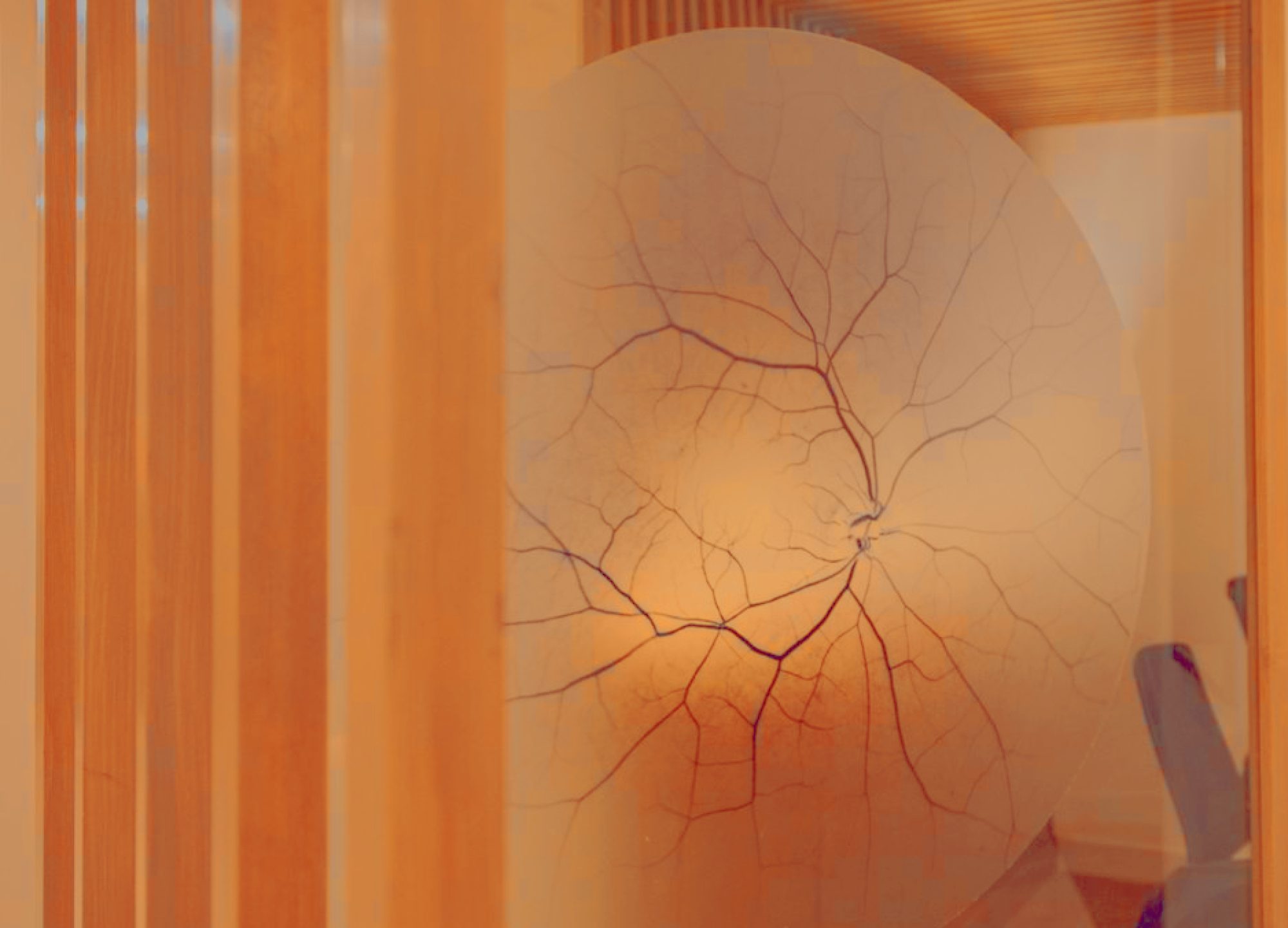
Causes of Glaucoma in Children

Glaucoma in children can be congenital (present at birth) or acquired (developing later in childhood). Primary congenital glaucoma often results from abnormal development of the eye’s drainage system, leading to increased eye pressure. Other causes include genetic factors, eye injuries, cataracts, or systemic conditions like neurofibromatosis or Sturge-Weber syndrome. In some cases, glaucoma may develop after steroid use or eye surgery.
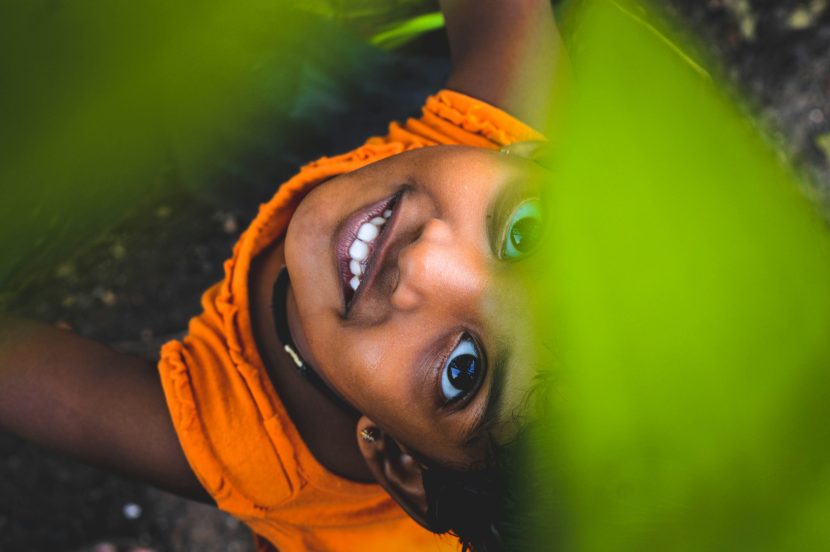
glaucoma in children symptoms and treatment

Symptoms to Watch For

Recognizing glaucoma in children symptoms is crucial for early diagnosis. Infants and young children may show signs like excessive tearing, light sensitivity, or a cloudy, enlarged cornea. You might also notice a white or hazy appearance in the eye. Older children may complain of headaches, eye pain, or blurred vision. In some cases, a child may squint frequently or avoid bright light. If you observe any of these symptoms, consult a specialist immediately.

Treatment Options

Treatment for glaucoma in children aims to lower eye pressure and preserve vision. Medications, such as eye drops, are often the first line of treatment to reduce fluid production or improve drainage. However, surgery is frequently necessary for congenital glaucoma. Common procedures include trabeculotomy, goniotomy, or trabeculectomy, which create new drainage pathways for fluid to leave the eye.

In some cases, laser surgery or drainage implants may be recommended. Early intervention is key to preventing optic nerve damage and vision loss.


If you suspect your child has glaucoma, don’t delay seeking help. If you are unsure whether your symptoms require emergency attention, it is always safer to contact your healthcare provider or eye clinic for guidance.

At The Eye Center – Dr. Mahnaz Naveed Shah & Associates in Karachi, patients benefit from the care of internationally trained specialists across every sub-specialty of ophthalmology. Led by Dr. Mahnaz Naveed Shah, a highly experienced and dedicated glaucoma specialist with extensive training in advanced eye care, the team provides trusted support for both routine check-ups and urgent eye conditions. They will guide you on whether you need a screening, further investigation, or immediate treatment, always with your safety and comfort in mind. For expert consultation, contact 0304-111-9544 to book an appointment.

With a strong record of excellence in glaucoma and cataract care, Dr. Mahnaz Shah and her team remain committed to helping you protect your vision—with confidence.
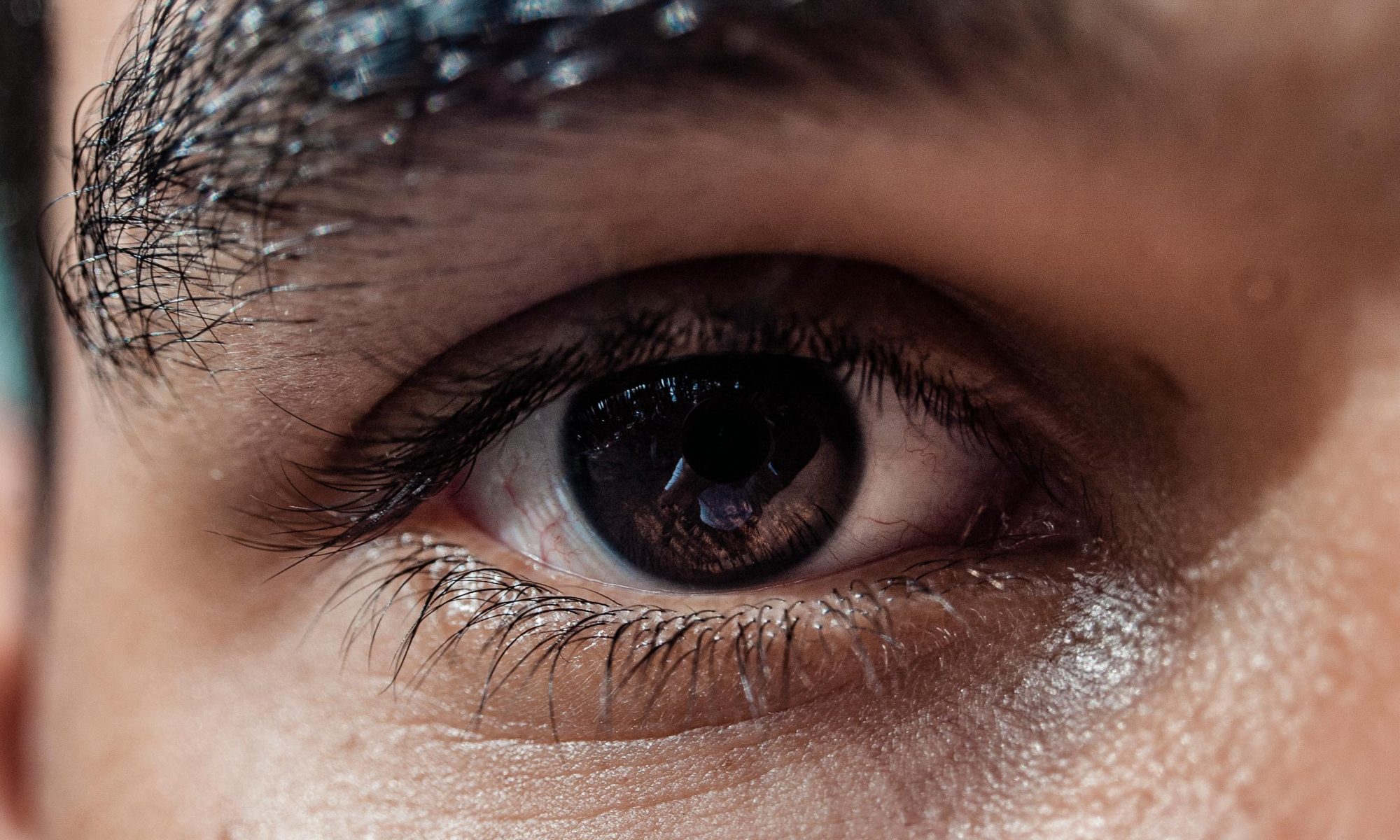
Pediatric Glaucoma Treatment in Karachi: Early Signs & Care

managing glaucoma

Pediatric glaucoma—also known as childhood glaucoma—is a rare but serious condition that can cause irreversible vision loss if not treated early. Unlike adult glaucoma, pediatric glaucoma often appears at birth (congenital) or develops during early childhood. Because children may not express discomfort clearly, recognizing early signs and accessing specialist care in Karachi is crucial for protecting their long-term vision.

Understanding Pediatric Glaucoma

Pediatric glaucoma occurs when fluid inside the eye does not drain properly, causing increased pressure that damages the optic nerve. This may be due to abnormal eye development, genetic conditions, previous eye surgery, trauma, or inflammation.

The condition progresses quickly in children, making early diagnosis essential.

Early Signs Parents Should Look For

Children cannot always describe vision problems, so parents must watch for symptoms such as:

  • Excessive tearing
  • Sensitivity to light
  • Cloudy or enlarged cornea
  • Frequent eye rubbing
  • Enlarged, “bulging” eyes (buphthalmos)
  • Poor vision or difficulty focusing

Any of these signs require immediate assessment by a pediatric ophthalmologist.

How Pediatric Glaucoma Is Diagnosed

Specialists use several tests adapted for infants and young children, including:

  • Measurement of eye pressure
  • Examination under anesthesia (if necessary)
  • Corneal examination
  • Optic nerve imaging

Early diagnosis allows treatment before significant optic nerve damage occurs.

Treatment Options in Karachi

Pediatric glaucoma usually requires surgical treatment because medications alone are often not sufficient. Options include:

• Goniotomy or trabeculotomy – Opens the eye’s drainage system to reduce pressure.
• Trabeculectomy or drainage implants – Used for advanced or complex cases.
• Medication – Sometimes combined with surgery to control pressure.

The choice depends on the child’s age, glaucoma type, and severity.

Long-Term Care and Follow-Up

Children with glaucoma need lifelong monitoring, even after successful surgery. Regular follow-up appointments ensure stable eye pressure and healthy optic nerve development.

Parents play a key role by keeping all appointments and following medication instructions carefully.

Conclusion (as provided)

If you are unsure whether your symptoms require emergency attention, it is safer to call your healthcare provider or eye clinic for advice.


With Pakistan’s internationally trained and most experienced cataract surgeons, corneal transplant surgeons and eye surgeons specializing in every single sub specialty in ophthalmology, The Eye Center – Dr. Mahnaz Naveed Shah & Associates in Karachi provides guidance for both routine and urgent eye care needs. Their team can advise whether you should schedule a screening or seek immediate attention, ensuring safety and comfort. For expert consultation, contact The Eye Center – Dr. Mahnaz Naveed Shah & Associates at 03041119544 to book an appointment.

With a proven track record of excellence in glaucoma and cataract care, Dr. Mahnaz Shah and her team are here to help you protect your vision—with confidence.