
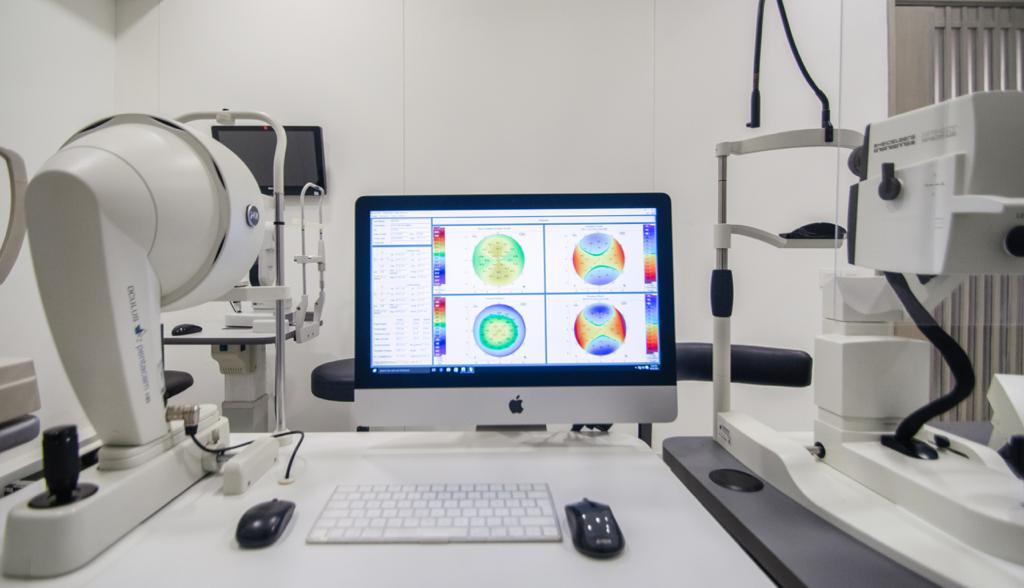
Glaucoma is a serious eye condition that can lead to vision loss if not managed properly. Medication is often the first line of defence. In Karachi, The Eye Center – Dr. Mahnaz Naveed Shah & Associates offers expert guidance on choosing the right drugs, managing side effects, and using them correctly to protect your eyesight.
Types of Glaucoma Medications
Here are the major classes of medications used to lower intraocular pressure (IOP):
- Prostaglandin analogs (e.g. latanoprost, travoprost, bimatoprost). These increase fluid outflow from the eye.
- Beta-blockers (e.g. timolol, betaxolol). These reduce the amount of fluid the eye produces.
- Alpha-adrenergic agonists (e.g. brimonidine, apraclonidine). They both reduce fluid production and increase drainage.
- Carbonic anhydrase inhibitors (CAIs) (e.g. dorzolamide, brinzolamide). Available as eye drops and sometimes tablets.
- Rho kinase inhibitors (relatively newer class; e.g. netarsudil). They improve drainage of fluid.
- Miotic (cholinergic) agents (like pilocarpine). Less commonly used now due to more frequent dosing and side effects.
Often, combination medications (two types in one drop) are used to improve effectiveness and simplify schedules.
Common Side Effects
With all medications, there are possible side effects — some local (eye-related), others systemic (affecting the whole body). Being aware helps you manage them and recognise when to alert a doctor.
| Class | Typical Ocular Side Effects | Possible Systemic Effects / Other Concerns |
|---|---|---|
| Prostaglandin analogs | Redness, stinging, eyelash growth, darkening of iris or eyelid skin, blurred vision | Rare inflammation, possible impact in pigmentation changes etc. |
| Beta-blockers | Dryness, stinging, redness of eye | Slow heart rate, low blood pressure, breathing difficulties especially in asthma or lung disease |
| Alpha agonists | Burning or stinging, dry mouth or nose, redness, eye irritation | Fatigue, drowsiness, possible allergic reactions |
| Carbonic anhydrase inhibitors | Stinging, bitter taste, blurred vision, sometimes corneal irritation | When used orally: tingling, frequent urination, metabolic changes, kidney issues |
| Rho kinase inhibitors | Redness, discomfort, possible deposits on cornea, eye irritation | Generally mild systemic effects; still newer so long-term data is growing |
| Miotics | Headache, blurred vision, dim vision in low light, risk of cataract in long-term use | Usually local side effects; systemic less common |
How to Use Glaucoma Medications Properly
To get the best effect and reduce side effects:
- Follow your doctor’s schedule — some drops once daily, others two or more times a day. Missing doses can reduce effectiveness.
- Drop technique matters: Tilt head, pull down lower lid, instill drop without touching eye. Close eye for 1-2 minutes, and press on tear duct (near the nose) to reduce systemic absorption. Wipe off excess.
- Space different drops: If using more than one type, wait at least 5 minutes between different drops.
- Monitor side effects: If you feel breathing issues, heart changes, extreme irritation, or other concerning symptoms, inform your ophthalmologist.
- Keep check-ups and IOP monitoring: Regular exams help ensure treatment is working and side-effects are manageable.
If you are unsure whether your symptoms require emergency attention, it is safer to call your healthcare provider or eye clinic for advice.
With Pakistan’s internationally trained and most experienced cataract surgeons, corneal transplant surgeons and eye surgeons specializing in every single sub specialty in ophthalmology, The Eye Center – Dr. Mahnaz Naveed Shah & Associates in Karachi provides guidance for both routine and urgent eye care needs. Their team can advise whether you should schedule a screening or seek immediate attention, ensuring safety and comfort. For expert consultation, contact The Eye Center – Dr. Mahnaz Naveed Shah & Associates at 03041119544 to book an appointment.
With a proven track record of excellence in glaucoma and cataract care, Dr. Mahnaz Shah and her team are here to help you protect your vision—with confidence.