
Managing Refractive Errors Alongside Glaucoma

The Challenge of Coexisting Conditions

Managing refractive errors alongside glaucoma can be complex. Refractive errors, such as nearsightedness, farsightedness, or astigmatism, affect how light focuses on the retina. Glaucoma, meanwhile, damages the optic nerve, often due to high eye pressure. Both conditions can impact your vision, but they require different approaches to treatment.
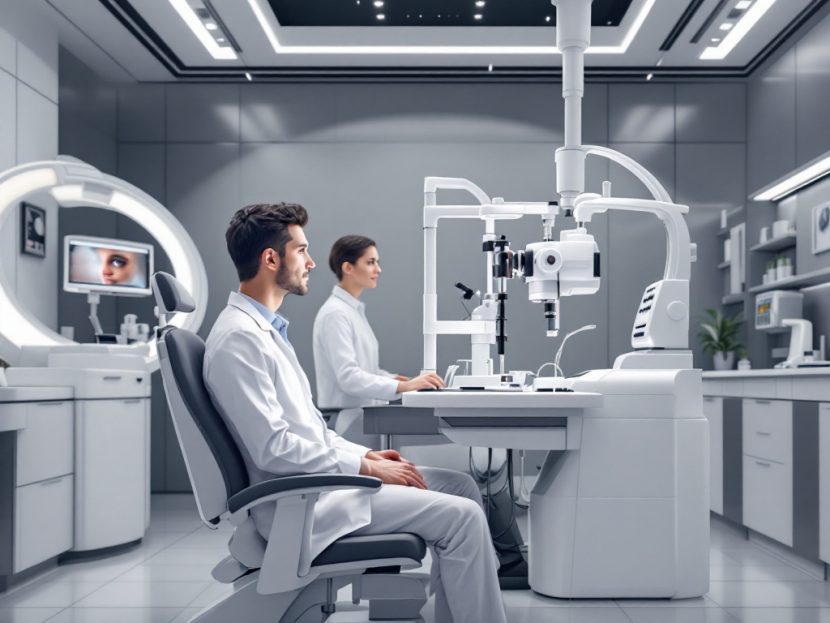
eye specialist performing a test using advanced equipment like a slit lamp

Why Refractive Errors Matter in Glaucoma

Refractive errors can complicate glaucoma management. For example, severe nearsightedness increases the risk of developing glaucoma. Additionally, refractive errors may make it harder to detect glaucoma symptoms early, as blurred vision can be mistaken for a refractive issue rather than a sign of optic nerve damage.

Treatment Options

Glaucoma treatment typically focuses on lowering eye pressure through medications, laser therapy, or surgery. However, refractive errors need separate correction. Glasses or contact lenses can address nearsightedness, farsightedness, or astigmatism. In some cases, refractive surgery, such as LASIK or PRK, may be an option, but it’s essential to discuss the risks with your eye specialist, as these procedures may not be suitable for everyone with glaucoma.

Regular Eye Exams Are Key

Regular eye exams help monitor both refractive errors and glaucoma. Your eye specialist can adjust your treatment plan as needed to ensure both conditions are managed effectively. Early detection and intervention can prevent vision loss and maintain your quality of life.

Work With Your Eye Specialist

Managing refractive errors alongside glaucoma requires a tailored approach. Work closely with your eye specialist to address both conditions. With the right care, you can achieve clearer vision and protect your eye health.


Glaucoma specialist conclusion :

If you are unsure whether your symptoms require emergency attention, it is always safer to contact your healthcare provider or eye clinic for guidance.

At The Eye Center – Dr. Mahnaz Naveed Shah & Associates in Karachi, patients benefit from the care of internationally trained specialists across every sub-specialty of ophthalmology. Led by Dr. Mahnaz Naveed Shah, a highly experienced and dedicated glaucoma specialist with extensive training in advanced eye care, the team provides trusted support for both routine check-ups and urgent eye conditions. They will guide you on whether you need a screening, further investigation, or immediate treatment, always with your safety and comfort in mind. For expert consultation, contact 0304-111-9544 to book an appointment.

With a strong record of excellence in glaucoma and cataract care, Dr. Mahnaz Shah and her team remain committed to helping you protect your vision—with confidence.
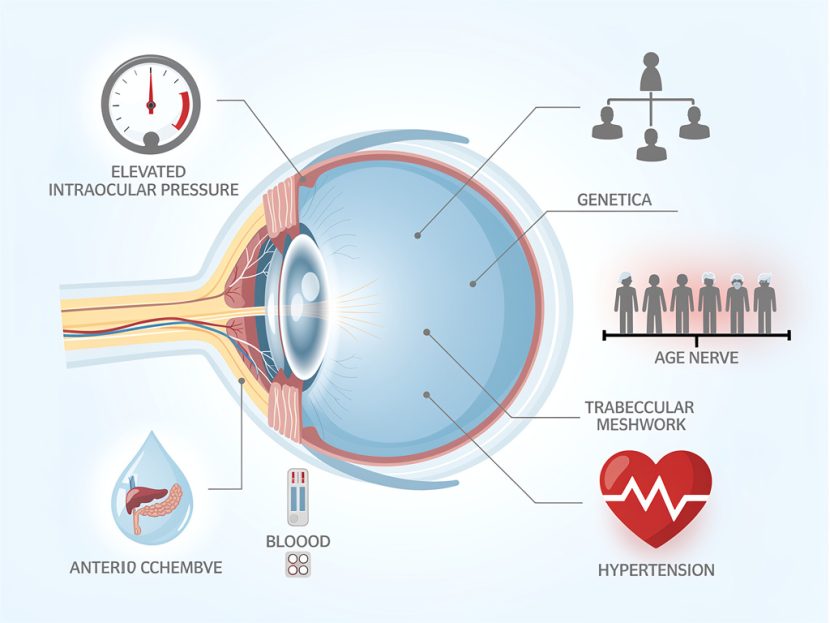
Glaucoma Risk Factors: Are You at Risk?

What Is Glaucoma?

Glaucoma is a group of eye diseases that damage the optic nerve, often due to high intraocular pressure. It can lead to permanent vision loss if left untreated. Knowing the risk factors can help you take preventive steps.

Key Risk Factors

Age
The risk of glaucoma increases significantly after age 40. Regular eye exams are crucial as you get older.

Family History
If you have a family history of glaucoma, your risk is higher. Genetic factors play a significant role in the development of the disease.

Ethnicity
People of African, Asian, or Hispanic descent have a higher risk of developing certain types of glaucoma, such as open-angle glaucoma.

High Intraocular Pressure (IOP)
Increased pressure inside the eye is a major risk factor. However, glaucoma can also occur with normal IOP.

Thin Corneas
Thinner corneas may increase the risk of glaucoma and can also affect the accuracy of IOP measurements.

Medical Conditions
Conditions like diabetes, hypertension, and migraines can increase the risk of glaucoma. Poor blood circulation may also contribute.

Myopia (Nearsightedness)
People with severe nearsightedness are at a higher risk of developing open-angle glaucoma.

Previous Eye Injuries or Surgeries
Eye injuries or surgeries can increase the risk of secondary glaucoma.

Long-Term Corticosteroid Use
Using corticosteroid eye drops or oral steroids for a long time can increase the risk of glaucoma.

How to Reduce Your Risk

Regular Eye Exams
Early detection is key. Get a comprehensive eye exam every 1–2 years, especially if you’re over 40 or have other risk factors.

Healthy Lifestyle
Exercise regularly, maintain a healthy diet, and avoid smoking to support overall eye health.

Protect Your Eyes
Wear protective eyewear during sports or activities that could cause eye injuries.


At The Eye Center – Dr. Mahnaz Naveed Shah & Associates in Karachi, patients benefit from the care of internationally trained specialists across every sub-specialty of ophthalmology. Led by Dr. Mahnaz Naveed Shah, a highly experienced and dedicated glaucoma specialist with extensive training in advanced eye care, the team provides trusted support for both routine check-ups and urgent eye conditions. They will guide you on whether you need a screening, further investigation, or immediate treatment, always with your safety and comfort in mind. For expert consultation, contact 0304-111-9544 to book an appointment.

With a strong record of excellence in glaucoma and cataract care, Dr. Mahnaz Shah and her team remain committed to helping you protect your vision—with confidence.

With a proven track record of excellence in glaucoma and cataract care, Dr. Mahnaz Shah and her team are here to help you protect your vision—with confidence.