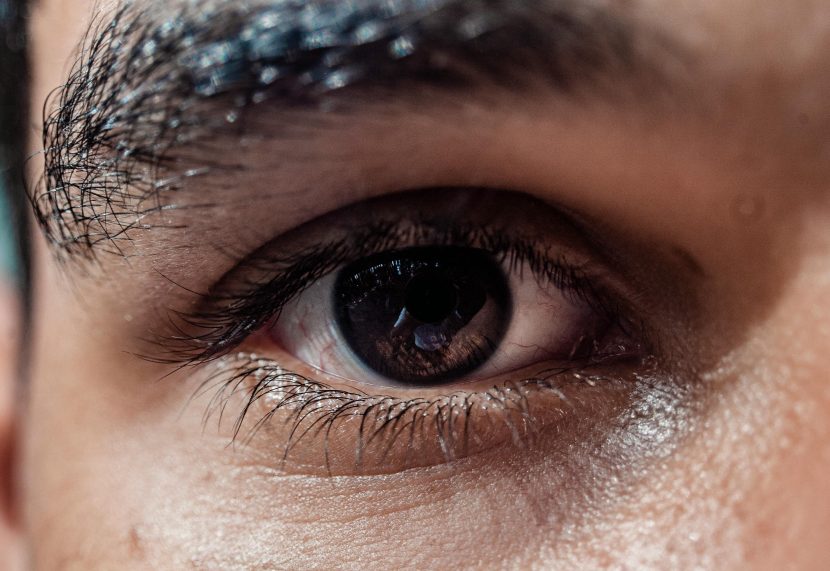
Glaucoma Risk Factors: Are You at Risk?

What Is Glaucoma?

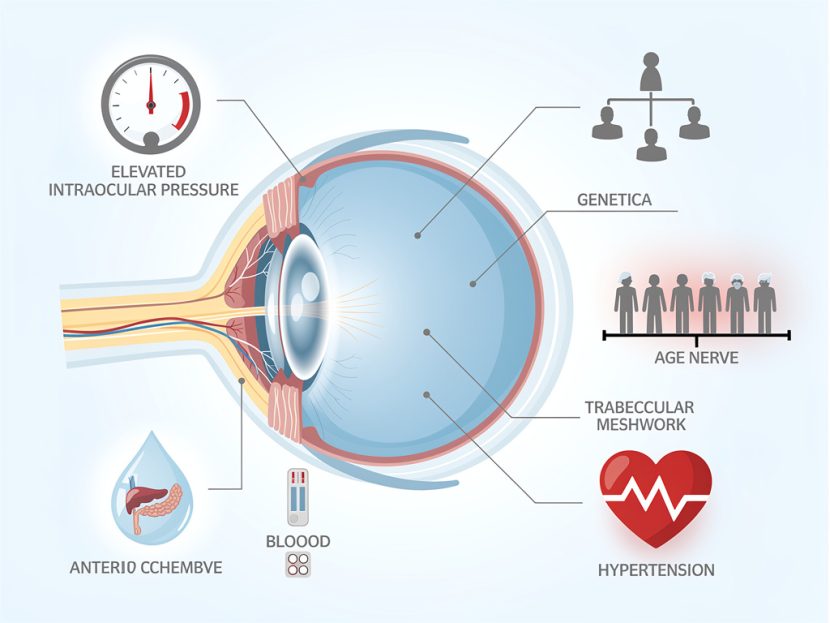
Glaucoma is a group of eye diseases that damage the optic nerve, often due to high intraocular pressure. It can lead to permanent vision loss if left untreated. Knowing the risk factors can help you take preventive steps.

Key Risk Factors

Age
The risk of glaucoma increases significantly after age 40. Regular eye exams are crucial as you get older.

Family History
If you have a family history of glaucoma, your risk is higher. Genetic factors play a significant role in the development of the disease.

Ethnicity
People of African, Asian, or Hispanic descent have a higher risk of developing certain types of glaucoma, such as open-angle glaucoma.

High Intraocular Pressure (IOP)
Increased pressure inside the eye is a major risk factor. However, glaucoma can also occur with normal IOP.

Thin Corneas
Thinner corneas may increase the risk of glaucoma and can also affect the accuracy of IOP measurements.

Medical Conditions
Conditions like diabetes, hypertension, and migraines can increase the risk of glaucoma. Poor blood circulation may also contribute.

Myopia (Nearsightedness)
People with severe nearsightedness are at a higher risk of developing open-angle glaucoma.

Previous Eye Injuries or Surgeries
Eye injuries or surgeries can increase the risk of secondary glaucoma.

Long-Term Corticosteroid Use
Using corticosteroid eye drops or oral steroids for a long time can increase the risk of glaucoma.

How to Reduce Your Risk

Regular Eye Exams
Early detection is key. Get a comprehensive eye exam every 1–2 years, especially if you’re over 40 or have other risk factors.

Healthy Lifestyle
Exercise regularly, maintain a healthy diet, and avoid smoking to support overall eye health.

Protect Your Eyes
Wear protective eyewear during sports or activities that could cause eye injuries.


At The Eye Center – Dr. Mahnaz Naveed Shah & Associates in Karachi, patients benefit from the care of internationally trained specialists across every sub-specialty of ophthalmology. Led by Dr. Mahnaz Naveed Shah, a highly experienced and dedicated glaucoma specialist with extensive training in advanced eye care, the team provides trusted support for both routine check-ups and urgent eye conditions. They will guide you on whether you need a screening, further investigation, or immediate treatment, always with your safety and comfort in mind. For expert consultation, contact 0304-111-9544 to book an appointment.

With a strong record of excellence in glaucoma and cataract care, Dr. Mahnaz Shah and her team remain committed to helping you protect your vision—with confidence.
With a proven track record of excellence in glaucoma and cataract care, Dr. Mahnaz Shah and her team are here to help you protect your vision—with confidence.

Open Angle vs. Closed Angle Glaucoma: Key Differences

What Is Glaucoma?

Glaucoma is a group of eye diseases that damage the optic nerve, often due to high intraocular pressure (IOP). Without treatment, it can lead to permanent vision loss. The two main types are open angle and closed angle glaucoma, each with distinct characteristics.

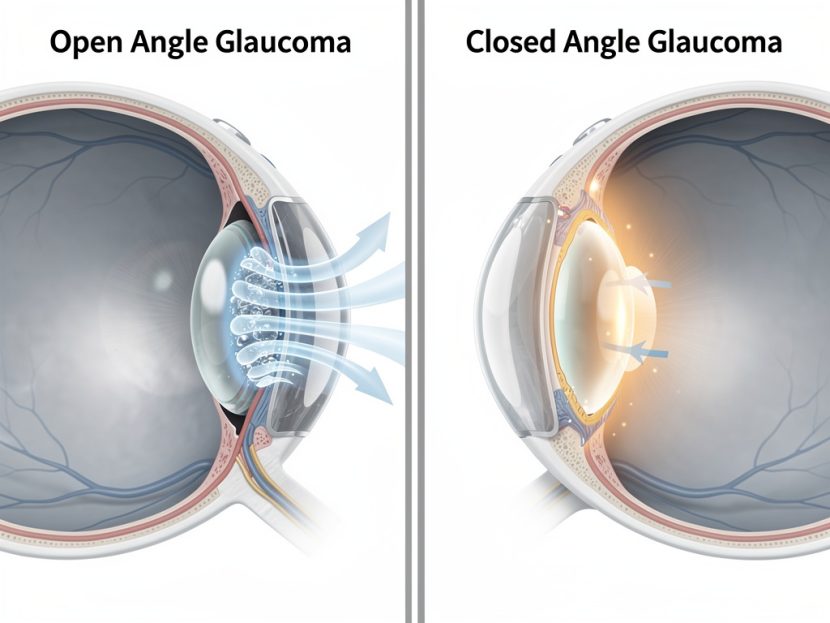
A cross-section medical illustration comparing open angle glaucoma with a clogged trabecular meshwork and closed angle glaucoma with a blocked drainage angle due to the iris, highlighting the differences in fluid drainage.

Open Angle Glaucoma

What Happens?
In open angle glaucoma, the drainage angle between the iris and cornea remains open, but the trabecular meshwork (the eye’s drainage system) becomes clogged over time. This causes gradual pressure buildup.

Symptoms

  • Often asymptomatic in early stages.
  • Slow, painless peripheral vision loss.
  • May go unnoticed until advanced.

Risk Factors

  • Family history of glaucoma.
  • Age (more common in people over 40).
  • High myopia (nearsightedness).
  • Diabetes or hypertension.

Treatment

  • Eye drops to lower IOP.
  • Laser therapy (trabeculoplasty).
  • Surgery (trabeculectomy or drainage implants).

Closed Angle Glaucoma

What Happens?
In closed angle glaucoma, the iris blocks the drainage angle, preventing fluid from escaping. This causes a sudden, severe rise in IOP.

Symptoms

  • Severe eye pain and headache.
  • Nausea or vomiting.
  • Blurred vision or halos around lights.
  • Redness in the eye.

Risk Factors

  • Farsightedness (hyperopia).
  • Age (more common in people over 60).
  • Family history.
  • Asian or Inuit descent.

Treatment

  • Emergency care to lower IOP quickly.
  • Laser iridotomy to create a new drainage path.
  • Medications to reduce pressure.
  • Surgery if laser treatment is ineffective.


If you are unsure whether your symptoms require emergency attention, it is always safer to contact your healthcare provider or eye clinic for guidance.

At The Eye Center – Dr. Mahnaz Naveed Shah & Associates in Karachi, patients benefit from the care of internationally trained specialists across every sub-specialty of ophthalmology. Led by Dr. Mahnaz Naveed Shah, a highly experienced and dedicated glaucoma specialist with extensive training in advanced eye care, the team provides trusted support for both routine check-ups and urgent eye conditions. They will guide you on whether you need a screening, further investigation, or immediate treatment, always with your safety and comfort in mind. For expert consultation, contact 0304-111-9544 to book an appointment. With a strong record of excellence in glaucoma and cataract care, Dr. Mahnaz Shah and her team remain committed to helping you protect your vision—with confidence.
Glaucoma Treatment in Karachi: Preserving Your Vision

Glaucoma is a serious eye condition that can lead to permanent vision loss if left untreated. Known as the “silent thief of sight,” glaucoma often progresses without noticeable symptoms until significant damage has already occurred. Fortunately, with timely glaucoma treatment in Karachi, patients can protect their eyesight and maintain a good quality of life.


Understanding Glaucoma

Glaucoma is caused by increased pressure within the eye (intraocular pressure) that damages the optic nerve. There are several types, including open-angle, angle-closure, and secondary glaucoma. Regular eye exams are essential because early stages typically have no symptoms.

Modern Glaucoma Treatments

The goal of glaucoma treatment is to lower eye pressure and prevent further damage to the optic nerve. Treatment plans are customized for each patient and may include:

  • Prescription eye drops: Often the first line of treatment, these help reduce eye pressure.
  • Oral medications: Used when eye drops alone are not sufficient.
  • Laser therapy: A minimally invasive option to improve fluid drainage from the eye.
  • Surgical procedures: In advanced cases, surgeries like trabeculectomy or tube shunt implantation may be recommended to control eye pressure effectively.

Access to specialized glaucoma care in Karachi means patients benefit from modern diagnostic tools, experienced surgeons, and individualized treatment strategies.

Benefits of Early Detection and Ongoing Care

Early detection is key to preserving vision. Regular screenings allow for prompt intervention, often before vision loss occurs. With consistent treatment and follow-up, most patients can manage their glaucoma successfully for many years.

Recovery and Long-Term Management

Glaucoma is a chronic condition that requires lifelong monitoring. Patients must use medications consistently, attend regular follow-ups, and report any changes in vision. Adhering to the treatment plan helps maintain stable eye pressure and prevent progression.


If you are unsure whether your symptoms require emergency attention, it is safer to call your healthcare provider or eye clinic for advice.

With Pakistan’s internationally trained and most experienced cataract surgeons, corneal transplant surgeons and eye surgeons specializing in every single sub specialty in ophthalmology, The Eye Center – Dr. Mahnaz Naveed Shah & Associates in Karachi provides guidance for both routine and urgent eye care needs. Their team can advise whether you should schedule a screening or seek immediate attention, ensuring safety and comfort. For expert consultation, contact The Eye Center – Dr. Mahnaz Naveed Shah & Associates at 03041119544 to book an appointment.

With a proven track record of excellence in glaucoma and cataract care, Dr. Mahnaz Shah and her team are here to help you protect your vision—with confidence.