
How Glaucoma Is Diagnosed: Modern Testing Explained

Glaucoma is a progressive eye disease that damages the optic nerve and can lead to permanent vision loss if not detected early. Because glaucoma often develops without noticeable symptoms, many patients are surprised by the diagnosis. This is why understanding how glaucoma is diagnosed is so important. Modern testing allows eye specialists to detect the disease early—often before vision is affected.

Glaucoma diagnosis does not rely on a single test. Instead, doctors use a combination of advanced examinations to assess eye pressure, optic nerve health, and visual function. Together, these tests provide a clear picture of whether glaucoma is present and how it may be progressing.

Measuring Eye Pressure Accurately

Eye pressure testing is one of the first steps in glaucoma diagnosis. Elevated pressure increases the risk of optic nerve damage, although glaucoma can still occur with normal pressure levels. Modern instruments measure eye pressure quickly and comfortably, helping doctors identify abnormal readings that require further evaluation.

Examining the Optic Nerve

The optic nerve is the structure most affected by glaucoma. During an eye examination, specialists carefully assess its shape, color, and structure. Early changes in the optic nerve may not affect vision immediately, but they are critical signs of glaucoma. Detecting these changes early allows treatment to begin before vision loss occurs.

Advanced Imaging with OCT

Optical Coherence Tomography, or OCT, plays a major role in modern glaucoma diagnosis. This imaging technology provides detailed cross-sectional images of the optic nerve and retinal nerve fiber layer. OCT can detect subtle thinning long before changes appear on vision tests, making it one of the most valuable tools for early diagnosis and ongoing monitoring.

Visual Field Testing and Functional Vision

While imaging shows structural damage, visual field testing evaluates how glaucoma affects vision. This test measures peripheral vision, which is usually affected first. Even small areas of vision loss can signal disease progression, helping doctors adjust treatment plans as needed.

Why Early and Accurate Diagnosis Matters

Modern testing allows glaucoma to be diagnosed earlier and more accurately than ever before. Early diagnosis means treatment can start sooner, significantly reducing the risk of severe vision loss. Regular testing also helps track disease progression and treatment effectiveness over time.


If you are unsure whether your symptoms require emergency attention, it is safer to call your healthcare provider or eye clinic for advice.

With Pakistan’s internationally trained and most experienced cataract surgeons, corneal transplant surgeons and eye surgeons specializing in every single sub specialty in ophthalmology, The Eye Center – Dr. Mahnaz Naveed Shah & Associates in Karachi provides guidance for both routine and urgent eye care needs. Their team can advise whether you should schedule a screening or seek immediate attention, ensuring safety and comfort. For expert consultation, contact 0304-111-9544 to book an appointment.

With a proven track record of excellence in glaucoma and cataract care, Dr. Mahnaz Shah and her team are here to help you protect your vision—with confidence.
Minimally Invasive Glaucoma Surgery (MIGS): A Gentle Modern Option

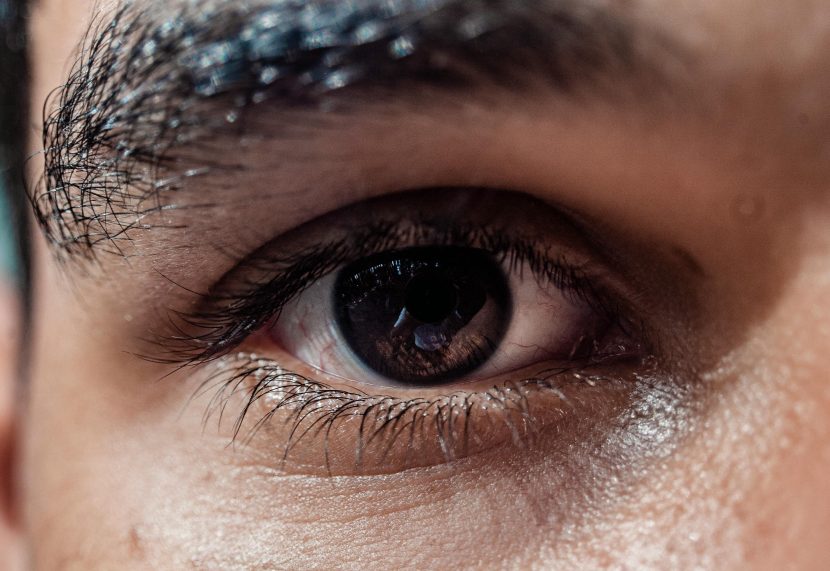
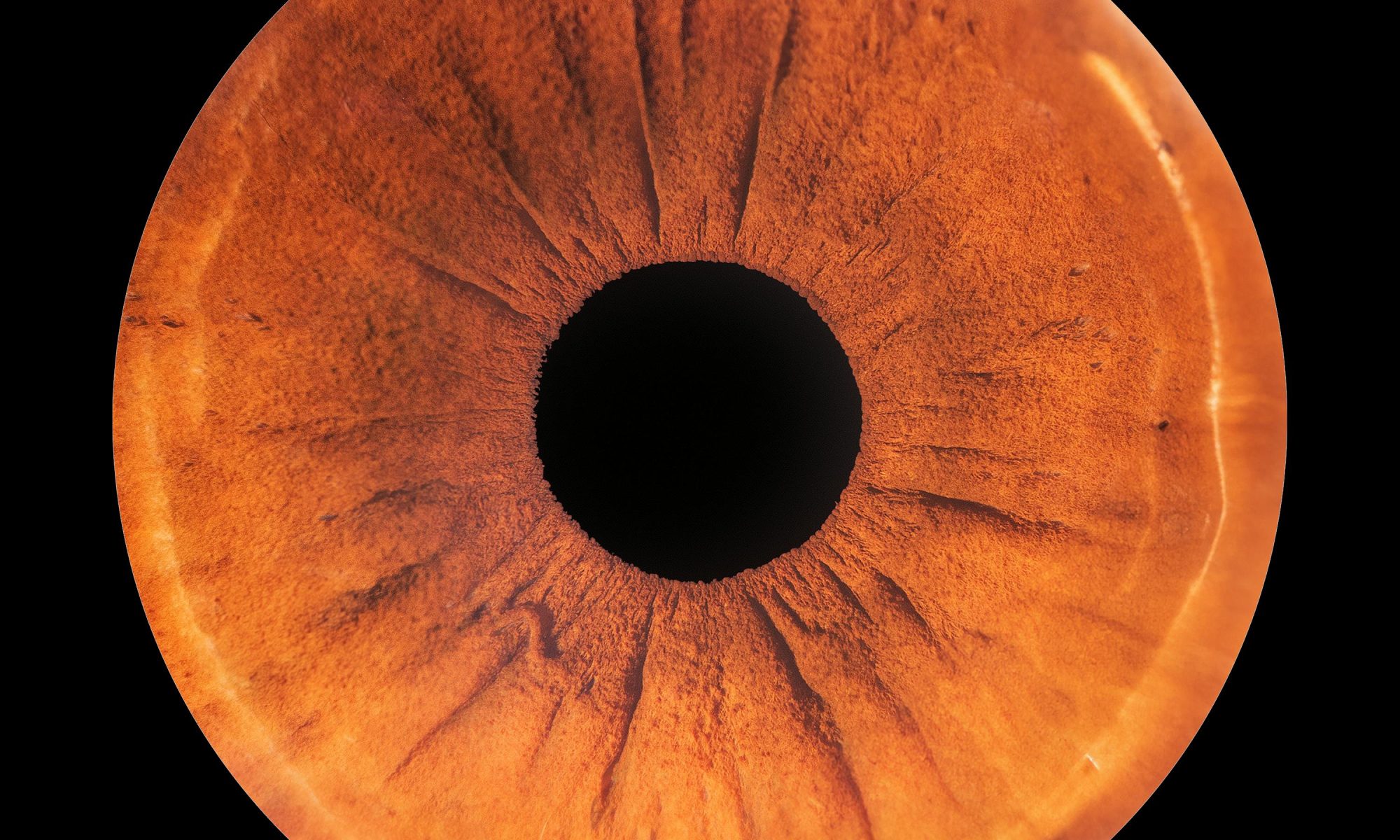
Minimally Invasive Glaucoma Surgery, often called MIGS, is a modern approach to glaucoma treatment. It helps lower eye pressure while causing less disruption to the eye. Doctors developed MIGS to provide safer surgical options for patients with early to moderate glaucoma.

Glaucoma damages the optic nerve over time. High eye pressure is the most common cause. Doctors usually begin treatment with eye drops or laser therapy. When these options do not provide enough pressure control, surgery may be needed. MIGS offers a gentler alternative to traditional glaucoma surgery.

How MIGS Works to Lower Eye Pressure

MIGS procedures improve the natural drainage of fluid from the eye. Surgeons perform the procedure through very small incisions. This approach limits tissue damage and supports faster healing.

Because MIGS works with the eye’s natural drainage system, it reduces pressure in a controlled and predictable way. Surgeons often perform MIGS at the same time as cataract surgery, which allows patients to address two conditions in one procedure.

Why MIGS Is Considered a Gentler Option

MIGS procedures have a strong safety profile. Patients usually experience less discomfort and a quicker recovery. Serious complications occur far less often than with traditional glaucoma surgery.

Many patients also reduce their dependence on daily eye drops after MIGS. This improvement can make long-term glaucoma care easier and more comfortable.

Who Can Benefit from MIGS?

MIGS works best for patients with mild to moderate glaucoma. It is especially helpful for people who struggle with daily eye drops or experience medication side effects. Patients with advanced glaucoma may still need more traditional surgery.

A detailed eye examination helps determine whether MIGS is suitable. This evaluation includes eye pressure testing, optic nerve assessment, and imaging studies.

Managing Glaucoma with Modern Care

MIGS does not cure glaucoma. However, it plays an important role in slowing disease progression. When doctors choose the right procedure at the right time, MIGS can help protect vision and improve quality of life.

Modern glaucoma care focuses on personalized treatment. MIGS reflects this approach by balancing effectiveness with safety.


If you are unsure whether your symptoms require emergency attention, it is safer to call your healthcare provider or eye clinic for advice.

At The Eye Center – Dr. Mahnaz Naveed Shah & Associates in Karachi, patients benefit from the care of internationally trained specialists across every sub-specialty of ophthalmology. Led by Dr. Mahnaz Naveed Shah, a highly experienced and dedicated glaucoma specialist with extensive training in advanced eye care, the team provides trusted support for both routine check-ups and urgent eye conditions. They will guide you on whether you need a screening, further investigation, or immediate treatment, always with your safety and comfort in mind. For expert consultation, contact 0304-111-9544 to book an appointment.

With a proven track record of excellence in glaucoma and cataract care, Dr. Mahnaz Shah and her team are here to help you protect your vision—with confidence.
Medication Management in Glaucoma: Tips for Daily Use

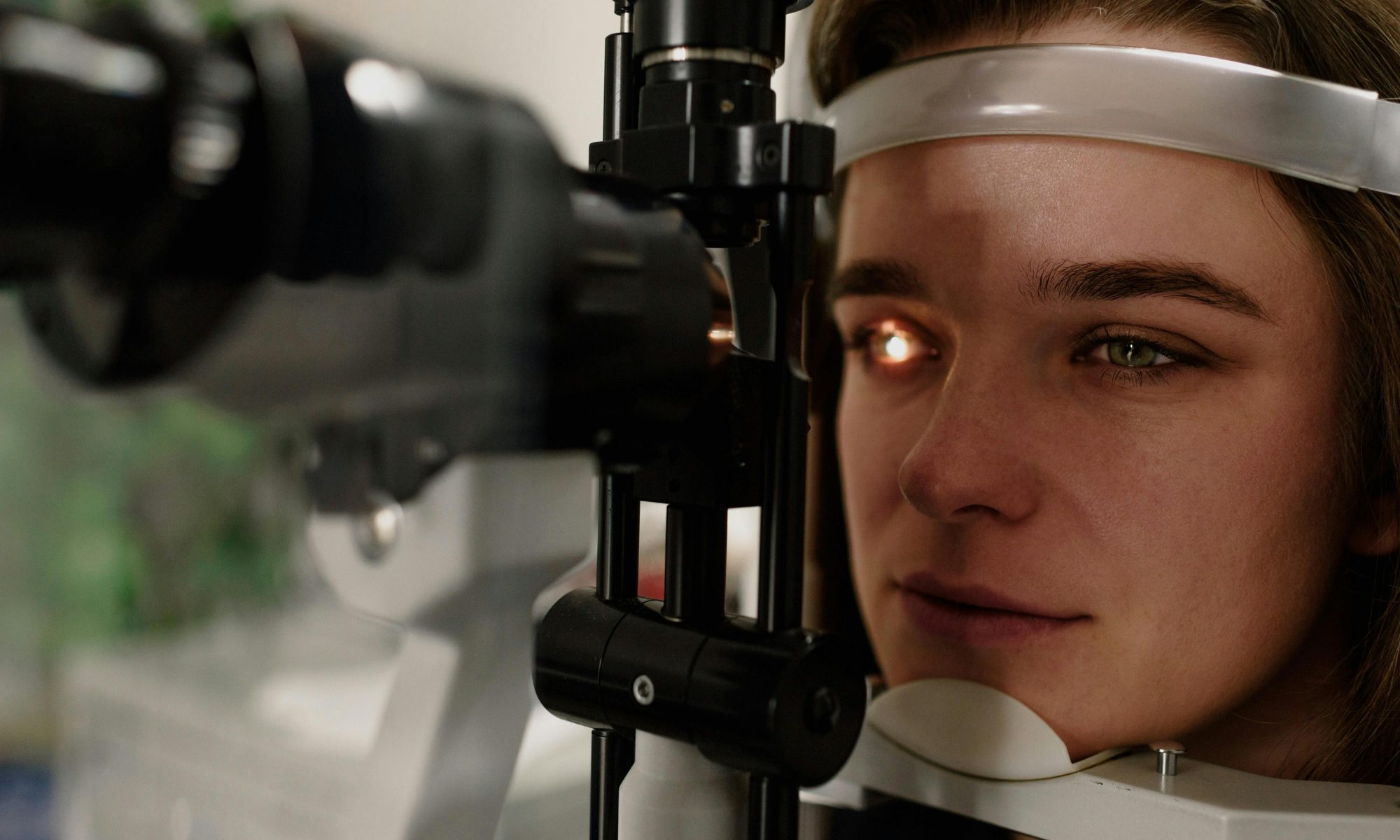
Medication management in glaucoma plays a crucial role in slowing disease progression and protecting vision. For many patients, daily eye drops are the first and most important step in glaucoma treatment. When used correctly and consistently, these medications help lower eye pressure and reduce damage to the optic nerve. However, their effectiveness depends heavily on proper daily use.

Glaucoma often has no early symptoms, which can make it challenging for patients to stay motivated with treatment. Even when vision feels normal, damage may still be occurring. This is why understanding how to manage glaucoma medication correctly is essential for long-term eye health.

Why Consistency Matters in Glaucoma Treatment

Glaucoma medications work by either reducing fluid production inside the eye or improving fluid drainage. Missing doses or using drops irregularly allows eye pressure to rise again, increasing the risk of optic nerve damage. Consistent daily use keeps eye pressure stable and helps prevent sudden changes that can worsen vision loss.

Establishing a routine—such as using drops at the same time each day—can make medication management easier and more reliable.

Using Eye Drops Correctly

Proper technique is just as important as consistency. Incorrect drop placement may reduce the amount of medication reaching the eye. Gently pulling down the lower eyelid, instilling one drop, and closing the eye for a short time helps the medication absorb effectively. Avoid touching the bottle tip to the eye to prevent contamination.

If more than one type of eye drop is prescribed, spacing them a few minutes apart allows each medication to work properly.

Managing Side Effects and Challenges

Some glaucoma medications may cause mild side effects such as redness, dryness, or stinging. These effects should be discussed with your eye specialist rather than stopping treatment on your own. Often, adjustments can be made to improve comfort while maintaining eye pressure control.

For patients who struggle with daily drops, alternative options such as laser treatment or surgery may be considered, depending on disease severity.

The Importance of Regular Follow-Up

Medication management in glaucoma is not static. Regular follow-up visits allow eye specialists to monitor eye pressure, optic nerve health, and treatment effectiveness. Changes in medication may be needed over time to maintain optimal control.

Protecting Your Vision Long Term

With proper medication management and regular monitoring, many glaucoma patients maintain good vision throughout their lives. Daily care truly makes a lasting difference.


If you are unsure whether your symptoms require emergency attention, it is safer to call your healthcare provider or eye clinic for advice.

With Pakistan’s internationally trained and most experienced cataract surgeons, corneal transplant surgeons and eye surgeons specializing in every single sub-specialty in ophthalmology, The Eye Center – Dr. Mahnaz Naveed Shah & Associates in Karachi provides guidance for both routine and urgent eye care needs. Their team can advise whether you should schedule a screening or seek immediate attention, ensuring safety and comfort. For expert consultation, contact 0304-111-9544 to book an appointment.

With a proven track record of excellence in glaucoma and cataract care, Dr. Mahnaz Shah and her team are here to help you protect your vision—with confidence.
Early Detection of Glaucoma: Protecting Vision Before Damage Occurs

Can Glaucoma Be Detected Before Vision Loss Occurs?

Yes, doctors can often detect glaucoma before vision loss begins. Early detection remains the most powerful way to protect eyesight and prevent permanent damage. Glaucoma is a long-term eye disease that damages the optic nerve, usually because of increased pressure inside the eye. When this nerve becomes damaged, vision slowly starts to fade.

What makes glaucoma especially dangerous is how quietly it develops. Most patients feel their vision is normal in the early stages. Because the changes happen gradually and without pain, many people do not realize they have glaucoma until serious damage has already occurred.

The good news is that modern eye examinations can identify glaucoma long before noticeable vision problems appear.

Why Vision Loss Appears Late in Glaucoma

In the early stages, glaucoma usually affects side vision first. This is called peripheral vision. Because central vision remains clear, patients often believe their eyesight is healthy. At the same time, the brain adjusts to slow changes, making them even harder to notice.

By the time vision loss becomes obvious, damage to the optic nerve is often advanced and permanent. For this reason, relying only on symptoms is not safe.

How Doctors Detect Glaucoma Early

Eye specialists use several tests to find glaucoma in its early stages. They measure eye pressure, examine the optic nerve, and test side vision. Advanced imaging, such as OCT scans, allows doctors to study nerve fibers in great detail.

These tests do not cause pain and take only a short time. They can reveal early disease even when vision still feels normal.

Who Should Have Early Screening?

Regular screening is especially important for people over 40. Those with a family history of glaucoma, diabetes, high short-sightedness, or long-term steroid use also face higher risk. In Pakistan, many patients receive a diagnosis late, which makes routine eye exams even more important.

Why Early Diagnosis Matters

Doctors cannot cure glaucoma, but they can control it. When diagnosed early, treatment with eye drops, laser therapy, or surgery can slow or stop progression. Most patients who start treatment on time keep useful vision for life.

Protecting Your Vision

Regular eye exams remain the only reliable way to detect glaucoma before vision loss occurs. Waiting for symptoms may mean waiting too long. Early care helps protect your independence, safety, and quality of life.


If you are unsure whether your symptoms require emergency attention, it is always safer to contact your healthcare provider or eye clinic for guidance.

At The Eye Center – Dr. Mahnaz Naveed Shah & Associates in Karachi, patients benefit from the care of internationally trained specialists across every sub-specialty of ophthalmology. Led by Dr. Mahnaz Naveed Shah, a highly experienced and dedicated glaucoma specialist with extensive training in advanced eye care, the team provides trusted support for both routine check-ups and urgent eye conditions. They will guide you on whether you need a screening, further investigation, or immediate treatment, always with your safety and comfort in mind. For expert consultation, contact 0304-111-9544 to book an appointment.

With a strong record of excellence in glaucoma and cataract care, Dr. Mahnaz Shah and her team remain committed to helping you protect your vision—with confidence.

Understanding Glaucoma Progression and Vision Loss

glaucoma risks for diabetics

Glaucoma is a long-term eye disease that gradually damages the optic nerve, the structure responsible for sending visual signals from the eye to the brain. What makes glaucoma especially dangerous is the way it progresses silently. Many patients are unaware they have the condition until vision loss has already begun. Understanding how glaucoma progresses helps patients recognize why early diagnosis and ongoing care are essential.

How Glaucoma Causes Vision Loss

In most forms of glaucoma, pressure inside the eye increases because fluid does not drain properly. This elevated pressure places stress on the optic nerve over time. As nerve fibers become damaged, vision begins to deteriorate. In some cases, optic nerve damage can occur even when eye pressure appears normal, which is known as normal-tension glaucoma.

Vision loss from glaucoma usually starts in the peripheral, or side, vision. Because central vision remains clear in the early stages, patients often do not notice changes right away. As the disease advances, the visual field gradually narrows, and untreated glaucoma can eventually affect central vision as well.

Why Glaucoma Progression Often Goes Unnoticed

Glaucoma typically develops slowly and without pain. There are usually no early warning signs, which is why routine eye examinations are so important. By the time symptoms such as blurred vision or difficulty navigating appear, significant optic nerve damage may already be present.

Once vision is lost due to glaucoma, it cannot be restored. However, progression can often be slowed or stopped with proper treatment.

Factors That Influence Disease Progression

The rate at which glaucoma progresses varies from person to person. Factors such as eye pressure levels, age, family history, diabetes, and how early treatment begins all influence outcomes. Missing follow-up visits or not using prescribed eye drops regularly can also accelerate vision loss.

How Progression Is Monitored

Eye specialists monitor glaucoma using eye pressure measurements, optic nerve examinations, visual field testing, and imaging such as OCT scans. These tools allow doctors to detect even small changes over time and adjust treatment when necessary.

Protecting Vision Over Time

Although glaucoma cannot be cured, early diagnosis and consistent treatment can preserve useful vision for life. With proper monitoring and care, many patients maintain good vision and quality of life.


If you are unsure whether your symptoms require emergency attention, it is safer to call your healthcare provider or eye clinic for advice.

With Pakistan’s internationally trained and most experienced cataract surgeons, corneal transplant surgeons, and eye surgeons specializing in every single sub-specialty in ophthalmology, The Eye Center – Dr. Mahnaz Naveed Shah & Associates in Karachi provides expert guidance for both routine and urgent eye care needs. Their team can advise whether you should schedule a screening or seek immediate attention, ensuring safety and comfort. For expert consultation, contact 0304-111-9544 to book an appointment.

With a proven track record of excellence in glaucoma and cataract care, Dr. Mahnaz Shah and her team are here to help you protect your vision—with confidence.
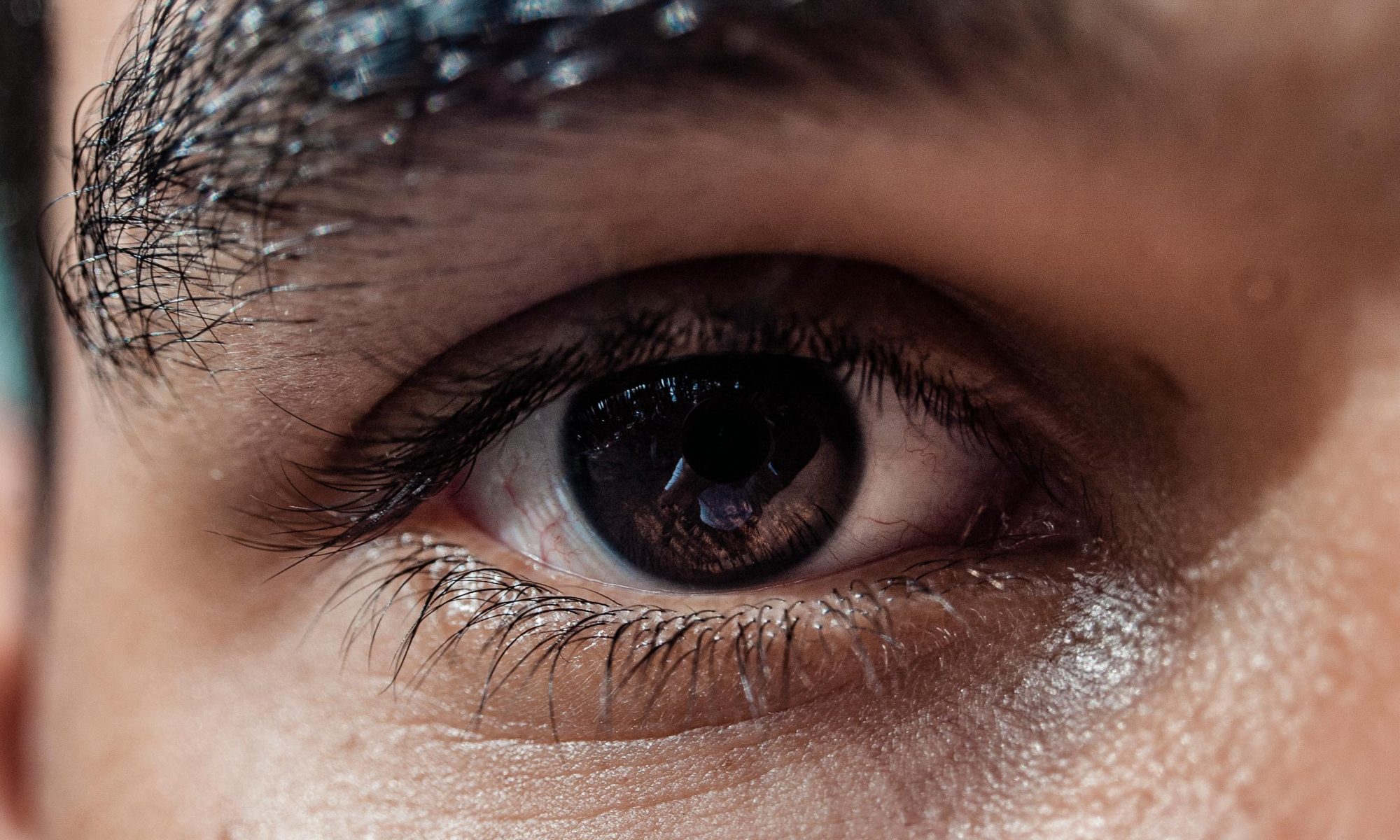
What Is Glaucoma? A Clear Definition for Patients

Glaucoma is a chronic eye disease that damages the optic nerve, the structure responsible for sending visual information from the eye to the brain. This damage is most often linked to increased pressure inside the eye, although it can also occur with normal eye pressure. If not treated early, this condition can lead to permanent vision loss and, in severe cases, blindness.

What makes glaucoma particularly dangerous is that it often develops slowly and without obvious symptoms. Many people do not realize they have the condition until significant vision has already been lost. For this reason, glaucoma is frequently described as the “silent thief of sight.”

How Glaucoma Affects Vision

In most types of glaucoma, fluid inside the eye does not drain properly. As pressure builds, it gradually damages the optic nerve. Vision loss usually begins in the peripheral, or side, vision and progresses inward over time. Because central vision often remains clear in the early stages, patients may not notice any changes until the disease is advanced.

Once vision is lost from glaucoma, it cannot be restored. However, early diagnosis and proper treatment can slow or stop further damage.

Who Is at Risk of Glaucoma?

Glaucoma can affect anyone, but certain factors increase risk. These include age over 40, a family history of glaucoma, diabetes, high eye pressure, severe short-sightedness, and long-term steroid use. In Pakistan, late diagnosis is common, making routine eye screening especially important.

Why Early Detection Matters

The most effective way to protect vision from glaucoma is early detection through regular eye examinations. Modern testing allows eye specialists to measure eye pressure, examine the optic nerve, and detect early changes before symptoms appear. When diagnosed early, glaucoma can often be controlled successfully with eye drops, laser treatment, or surgery.

When to Seek Professional Advice

If you experience blurred vision, eye pain, halos around lights, or a family history of glaucoma, an eye examination is strongly recommended—even if your vision seems normal.


If you are unsure whether your symptoms require emergency attention, it is safer to call your healthcare provider or eye clinic for advice.

With Pakistan’s internationally trained and most experienced cataract surgeons, corneal transplant surgeons, and eye surgeons specializing in every single sub-specialty in ophthalmology, The Eye Center – Dr. Mahnaz Naveed Shah & Associates in Karachi provides expert guidance for both routine and urgent eye care needs. Their team can advise whether you should schedule a screening or seek immediate attention, ensuring safety and comfort. For expert consultation, contact 0304-111-9544 to book an appointment.

With a proven track record of excellence in glaucoma and cataract care, Dr. Mahnaz Shah and her team are here to help you protect your vision—with confidence.

Glaucoma and Family History: Why Screening Matters

open angle glaucoma vision loss

Glaucoma is one of the leading causes of irreversible blindness worldwide. What makes this condition especially dangerous is that it often develops without noticeable symptoms until significant vision loss has already occurred. If glaucoma runs in your family, your risk is significantly higher—making regular screening essential for protecting your sight.

How Family History Increases Glaucoma Risk

Glaucoma has a strong genetic component. If a parent, sibling, or close relative has glaucoma, your chances of developing the condition are much higher than average. Studies show that first-degree relatives of glaucoma patients may have up to four to nine times greater risk of developing the disease.

Because this increased risk is inherited, glaucoma can appear earlier in life and progress more rapidly if not detected in time.

Why Glaucoma Is Often Missed

Most common forms of glaucoma, especially open-angle glaucoma, develop slowly and painlessly. Vision loss usually begins in the peripheral (side) vision, which many people do not notice until the disease is advanced.

This is why relying on symptoms alone is dangerous. By the time vision changes are obvious, optic nerve damage is often permanent.

The Importance of Early Screening

Regular glaucoma screening allows eye specialists to detect the disease before vision is affected. Screening helps to:

  • Measure eye pressure accurately
  • Examine the optic nerve for early damage
  • Perform visual field testing to detect subtle vision loss
  • Monitor changes over time

Early diagnosis allows treatment to begin before permanent vision loss occurs.

Who Should Be Screened—and When

People with a family history of glaucoma should:

  • Begin screening earlier, often before age 40
  • Have regular eye exams every 1–2 years
  • Be monitored more frequently if early changes are detected

Screening is especially important for individuals with diabetes, high myopia, long-term steroid use, or African or South Asian ancestry.

Protecting Your Vision Long Term

Glaucoma cannot be cured, but it can be controlled with early treatment. Options include eye drops, laser therapy, or surgery—depending on disease severity. When detected early, most patients maintain useful vision for life.


If you are unsure whether your symptoms require emergency attention, it is safer to call your healthcare provider or eye clinic for advice.

With Pakistan’s internationally trained and most experienced cataract surgeons, corneal transplant surgeons and eye surgeons specializing in every single sub specialty in ophthalmology, The Eye Center – Dr. Mahnaz Naveed Shah & Associates in Karachi provides guidance for both routine and urgent eye care needs. Their team can advise whether you should schedule a screening or seek immediate attention, ensuring safety and comfort. For expert consultation, contact The Eye Center – Dr. Mahnaz Naveed Shah & Associates at 03041119544 to book an appointment.

With a proven track record of excellence in glaucoma and cataract care, Dr. Mahnaz Shah and her team are here to help you protect your vision—with confidence.