
People with diabetes face a higher risk of developing glaucoma, a group of eye diseases that damage the optic nerve and can lead to vision loss. Understanding the link between glaucoma in diabetes risk and prevention helps you take proactive steps to protect your eyesight.
How Diabetes Affects Glaucoma Risk
Diabetes can increase your risk of glaucoma in several ways:
- High blood sugar damages blood vessels in the eye, affecting fluid drainage and increasing eye pressure.
- Neuropathy (nerve damage) from diabetes may also harm the optic nerve, worsening glaucoma.
- Diabetic retinopathy, a common diabetes complication, can lead to neovascular glaucoma, a severe form caused by abnormal blood vessel growth.
Symptoms to Watch For
Glaucoma often develops without noticeable symptoms in its early stages. As it progresses, you may experience:
- Blurred or narrowed vision.
- Severe eye pain or headaches.
- Nausea or vomiting.
- Seeing halos around lights.
If you have diabetes, regular eye exams are crucial for early detection.
Why Are Diabetics at Higher Risk?
- Poor blood sugar control can worsen eye pressure and optic nerve damage.
- Long-term diabetes increases the likelihood of developing glaucoma.
- High blood pressure and cholesterol, common in diabetics, further raise glaucoma risk.
Preventing Glaucoma with Diabetes
Manage Blood Sugar Levels
Keeping your blood sugar within target range reduces the risk of eye complications, including glaucoma.
Control Blood Pressure and Cholesterol
High blood pressure and cholesterol can damage eye blood vessels. Work with your doctor to keep these levels in check.
Regular Eye Exams
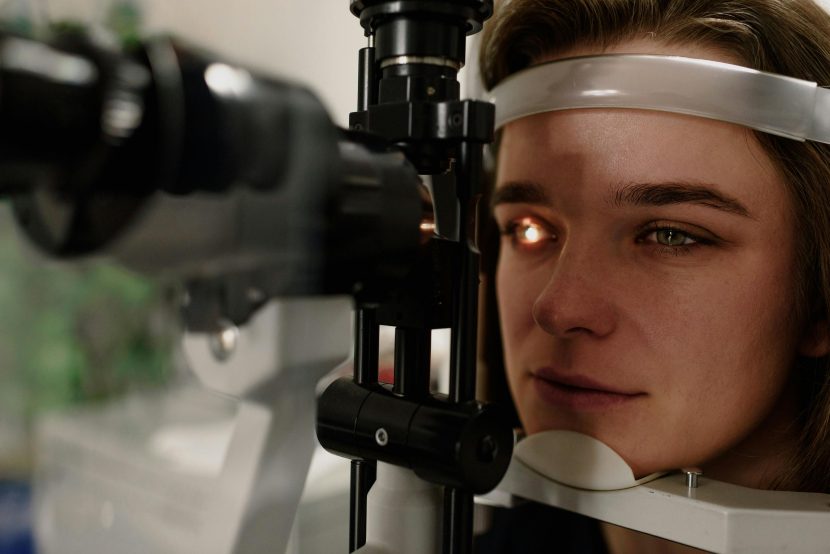
Diabetics should have a comprehensive dilated eye exam at least once a year. Early detection allows for timely treatment to prevent vision loss.
Healthy Lifestyle Choices
- Exercise regularly to improve circulation and eye health.
- Eat a balanced diet rich in leafy greens, omega-3 fatty acids, and antioxidants.
- Avoid smoking, which worsens eye conditions.
Treatment Options
If glaucoma is detected, your doctor may recommend:
- Prescription eye drops to lower eye pressure.
- Laser therapy to improve fluid drainage.
- Surgery for advanced cases, such as trabeculectomy or drainage implants.
If you are unsure whether your symptoms require emergency attention, it is always safer to contact your healthcare provider or eye clinic for guidance.
At The Eye Center – Dr. Mahnaz Naveed Shah & Associates in Karachi, patients benefit from the care of internationally trained specialists across every sub-specialty of ophthalmology. Led by Dr. Mahnaz Naveed Shah, a highly experienced and dedicated glaucoma specialist with extensive training in advanced eye care, the team provides trusted support for both routine check-ups and urgent eye conditions. They will guide you on whether you need a screening, further investigation, or immediate treatment, always with your safety and comfort in mind. For expert consultation, contact 0304-111-9544 to book an appointment.
With a strong record of excellence in glaucoma and cataract care, Dr. Mahnaz Shah and her team remain committed to helping you protect your vision—with confidence.