Normal-Tension Glaucoma: When Pressure Isn’t the Problem

Understanding Normal-Tension Glaucoma

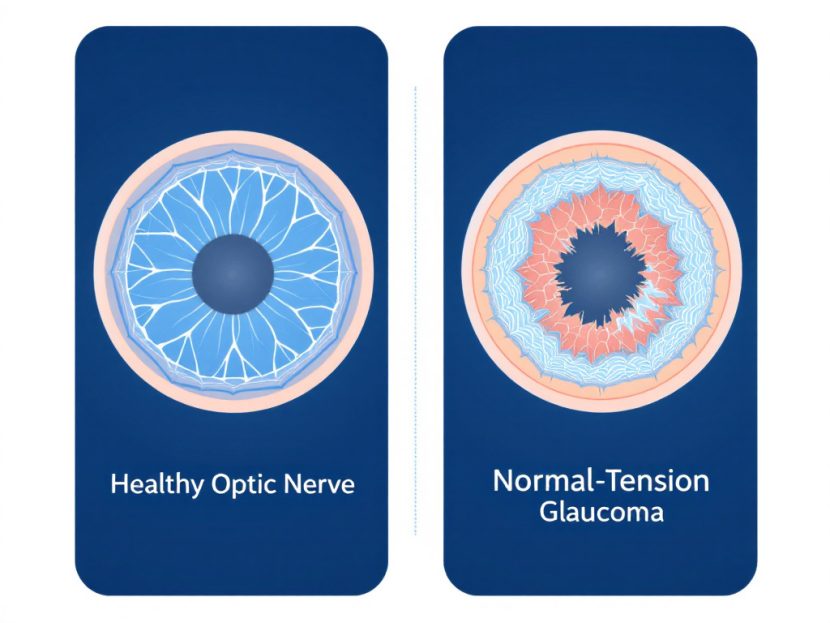
Normal-tension glaucoma is a type of glaucoma where optic nerve damage and vision loss occur even when the eye’s intraocular pressure (IOP) is within the normal range. Unlike primary open-angle glaucoma, which is often linked to high eye pressure, normal-tension glaucoma challenges the assumption that pressure is the sole cause of optic nerve damage.

What Causes Normal-Tension Glaucoma?

We still don’t fully understand the exact cause of normal-tension glaucoma. However, several factors likely contribute to its development.

Reduced blood flow to the optic nerve can damage it, even when eye pressure stays normal. Vascular issues, such as low blood pressure or poor circulation, may also play a role. Genetics matter too, as a family history of glaucoma increases your risk. Additionally, conditions like migraines, sleep apnea, or autoimmune diseases might further raise the likelihood of developing it.

Symptoms

Normal-tension glaucoma often shares symptoms with other glaucoma types. You might overlook the gradual loss of peripheral vision until it worsens. In advanced stages, tunnel vision can develop. You may also struggle to see clearly in low light or dim environments.

Diagnosis

Doctors diagnose this condition through a comprehensive eye exam. They use optic nerve imaging to detect damage and visual field tests to assess peripheral vision loss. They also measure intraocular pressure (IOP), which usually remains normal despite optic nerve damage.

Treatment Options

While we cannot cure normal-tension glaucoma, treatments aim to preserve vision and slow progression.

  • Medicated Eye Drops: These help lower IOP, even if it is already normal.
  • Improving Blood Flow: Doctors may recommend treatments or lifestyle changes to enhance circulation to the optic nerve.
  • Regular Monitoring: Frequent eye exams are essential to track the condition and adjust treatment as needed.

If you are unsure whether your symptoms require emergency attention, it is always safer to contact your healthcare provider or eye clinic for guidance.

At The Eye Center – Dr. Mahnaz Naveed Shah & Associates in Karachi, patients benefit from the care of internationally trained specialists across every sub-specialty of ophthalmology. Led by Dr. Mahnaz Naveed Shah, a highly experienced and dedicated glaucoma specialist with extensive training in advanced eye care, the team provides trusted support for both routine check-ups and urgent eye conditions. They will guide you on whether you need a screening, further investigation, or immediate treatment, always with your safety and comfort in mind. For expert consultation, contact 0304-111-9544 to book an appointment.

With a strong record of excellence in glaucoma and cataract care, Dr. Mahnaz Shah and her team remain committed to helping you protect your vision—with confidence.

Glaucoma in Diabetes: Understanding the Risks

People with diabetes face a higher risk of developing glaucoma, a group of eye diseases that damage the optic nerve and can lead to vision loss. Understanding the link between glaucoma in diabetes risk and prevention helps you take proactive steps to protect your eyesight.

glaucoma risks for diabetics

How Diabetes Affects Glaucoma Risk

Diabetes can increase your risk of glaucoma in several ways:

  • High blood sugar damages blood vessels in the eye, affecting fluid drainage and increasing eye pressure.
  • Neuropathy (nerve damage) from diabetes may also harm the optic nerve, worsening glaucoma.
  • Diabetic retinopathy, a common diabetes complication, can lead to neovascular glaucoma, a severe form caused by abnormal blood vessel growth.

Symptoms to Watch For

Glaucoma often develops without noticeable symptoms in its early stages. As it progresses, you may experience:

  • Blurred or narrowed vision.
  • Severe eye pain or headaches.
  • Nausea or vomiting.
  • Seeing halos around lights.

If you have diabetes, regular eye exams are crucial for early detection.

Why Are Diabetics at Higher Risk?

  • Poor blood sugar control can worsen eye pressure and optic nerve damage.
  • Long-term diabetes increases the likelihood of developing glaucoma.
  • High blood pressure and cholesterol, common in diabetics, further raise glaucoma risk.

Preventing Glaucoma with Diabetes

Manage Blood Sugar Levels

Keeping your blood sugar within target range reduces the risk of eye complications, including glaucoma.

Control Blood Pressure and Cholesterol

High blood pressure and cholesterol can damage eye blood vessels. Work with your doctor to keep these levels in check.

Regular Eye Exams

Diabetics should have a comprehensive dilated eye exam at least once a year. Early detection allows for timely treatment to prevent vision loss.

Healthy Lifestyle Choices

  • Exercise regularly to improve circulation and eye health.
  • Eat a balanced diet rich in leafy greens, omega-3 fatty acids, and antioxidants.
  • Avoid smoking, which worsens eye conditions.

Treatment Options

If glaucoma is detected, your doctor may recommend:

  • Prescription eye drops to lower eye pressure.
  • Laser therapy to improve fluid drainage.
  • Surgery for advanced cases, such as trabeculectomy or drainage implants.

If you are unsure whether your symptoms require emergency attention, it is always safer to contact your healthcare provider or eye clinic for guidance.

At The Eye Center – Dr. Mahnaz Naveed Shah & Associates in Karachi, patients benefit from the care of internationally trained specialists across every sub-specialty of ophthalmology. Led by Dr. Mahnaz Naveed Shah, a highly experienced and dedicated glaucoma specialist with extensive training in advanced eye care, the team provides trusted support for both routine check-ups and urgent eye conditions. They will guide you on whether you need a screening, further investigation, or immediate treatment, always with your safety and comfort in mind. For expert consultation, contact 0304-111-9544 to book an appointment.

With a strong record of excellence in glaucoma and cataract care, Dr. Mahnaz Shah and her team remain committed to helping you protect your vision—with confidence.
Glaucoma Testing Methods: What to Expect

Why Glaucoma Testing Matters

Glaucoma is a group of eye diseases that damage the optic nerve, often due to increased pressure inside the eye. If left untreated, it can lead to permanent vision loss. Early detection through regular testing is crucial, as glaucoma often has no noticeable symptoms in its early stages.

Common Glaucoma Testing Methods

Tonometer Test (Eye Pressure Check)
This test measures the pressure inside your eye, known as intraocular pressure (IOP). A small device gently touches your eye after numbing drops are applied. High IOP is a key risk factor for glaucoma.

Optic Nerve Imaging
Your eye doctor will examine the optic nerve at the back of your eye. This can be done using a special magnifying lens or advanced imaging technology, such as Optical Coherence Tomography (OCT). These images help detect any damage or changes to the optic nerve.

Visual Field Test
This test checks for areas of vision loss. You will look straight ahead and indicate when you see small flashes of light in your peripheral vision. It helps identify blind spots that may indicate glaucoma damage.

Pachymetry (Corneal Thickness Measurement)
This test measures the thickness of your cornea. Thinner or thicker corneas can affect eye pressure readings, so this information helps your doctor interpret your IOP results more accurately.

Gonioscopy (Angle Test)
Your doctor uses a special lens to examine the drainage angle of your eye. This helps determine whether the angle is open or closed, which influences the type of glaucoma you may have.

What to Expect During Testing

Glaucoma testing is painless and non-invasive. Your doctor may use numbing eye drops to ensure your comfort. The entire process usually takes less than 30 minutes, and you can resume normal activities immediately afterward.

When to Get Tested

Regular glaucoma testing is recommended for everyone over the age of 40, especially if you have a family history of glaucoma, diabetes, or high blood pressure. Early detection and treatment can help preserve your vision and prevent further damage.


If you are unsure whether your symptoms require emergency attention, it is always safer to contact your healthcare provider or eye clinic for guidance.

At The Eye Center – Dr. Mahnaz Naveed Shah & Associates in Karachi, patients benefit from the care of internationally trained specialists across every sub-specialty of ophthalmology. Led by Dr. Mahnaz Naveed Shah, a highly experienced and dedicated glaucoma specialist with extensive training in advanced eye care, the team provides trusted support for both routine check-ups and urgent eye conditions. They will guide you on whether you need a screening, further investigation, or immediate treatment, always with your safety and comfort in mind. For expert consultation, contact 0304-111-9544 to book an appointment.

With a strong record of excellence in glaucoma and cataract care, Dr. Mahnaz Shah and her team remain committed to helping you protect your vision—with confidence.
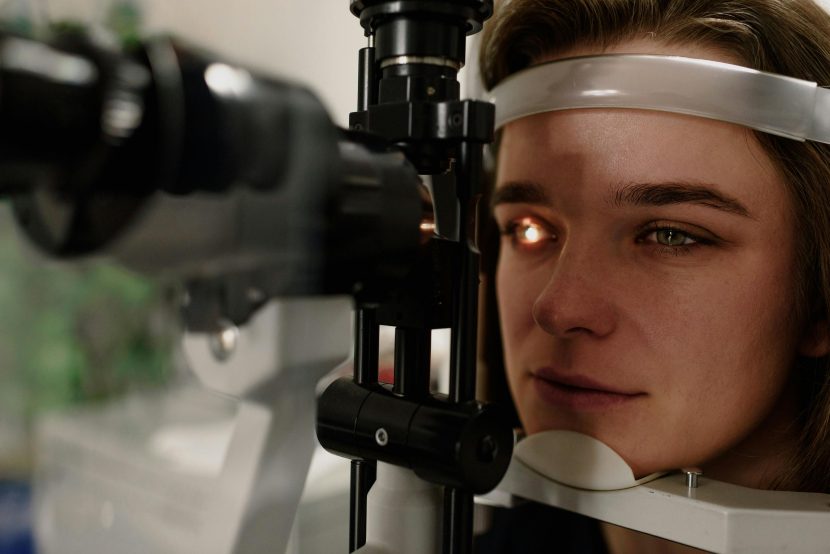
How Glaucoma Damages Vision: Understanding the Silent Thief of Sight

Glaucoma earns its reputation as the silent thief of sight because it typically progresses without warning until significant vision loss occurs. Understanding how this disease damages your eyes helps emphasize the critical importance of regular screening and early intervention to preserve your precious eyesight.

The Mechanism Behind Vision Loss

Glaucoma damages the optic nerve, the vital connection transmitting visual information from your eye to your brain. Elevated intraocular pressure often causes this damage, though some patients develop glaucoma despite normal pressure readings. The optic nerve contains over one million delicate nerve fibers that, once destroyed, cannot regenerate. As these fibers deteriorate, blind spots develop in your visual field, gradually expanding until significant vision impairment occurs.

Why Early Damage Goes Unnoticed

Your brain remarkably compensates for early glaucoma damage, filling in small blind spots so effectively that patients remain completely unaware of vision loss. Peripheral vision typically disappears first, while central vision remains sharp until advanced stages. This deceptive progression means many patients only notice symptoms after irreversible damage has occurred, making routine comprehensive eye examinations absolutely essential for detection.

Types and Their Impact

Open-angle glaucoma, the most common form, develops gradually over years. The drainage system within your eye becomes less efficient, causing pressure buildup that slowly damages nerve fibers. Angle-closure glaucoma occurs when drainage passages become suddenly blocked, creating a medical emergency requiring immediate intervention to prevent rapid vision loss and potential blindness.

Secondary glaucoma develops from other conditions including diabetes, eye injuries, or certain medications. Normal-tension glaucoma damages the optic nerve despite acceptable pressure levels, highlighting that comprehensive evaluation extends beyond simple pressure measurements.

Prevention Through Early Detection

Regular dilated eye examinations allow ophthalmologists to detect glaucoma before noticeable symptoms appear. Advanced diagnostic imaging reveals optic nerve changes and visual field loss in earliest stages when treatment most effectively preserves vision. Pressure-lowering medications, laser procedures, or surgical interventions can halt progression, protecting remaining nerve fibers from further damage. While lost vision cannot return, preventing additional deterioration maintains your current visual function and quality of life.


If you are unsure whether your symptoms require emergency attention, it is safer to call your healthcare provider or eye clinic for advice.

At The Eye Center – Dr. Mahnaz Naveed Shah & Associates in Karachi, patients benefit from the care of internationally trained specialists across every sub-specialty of ophthalmology. Led by Dr. Mahnaz Naveed Shah, a highly experienced and dedicated glaucoma specialist with extensive training in advanced eye care, the team provides trusted support for both routine check-ups and urgent eye conditions. They will guide you on whether you need a screening, further investigation, or immediate treatment, always with your safety and comfort in mind. For expert consultation, contact 0304-111-9544 to book an appointment.

With a strong record of excellence in glaucoma and cataract care, Dr. Mahnaz Shah and her team remain committed to helping you protect your vision—with confidence.
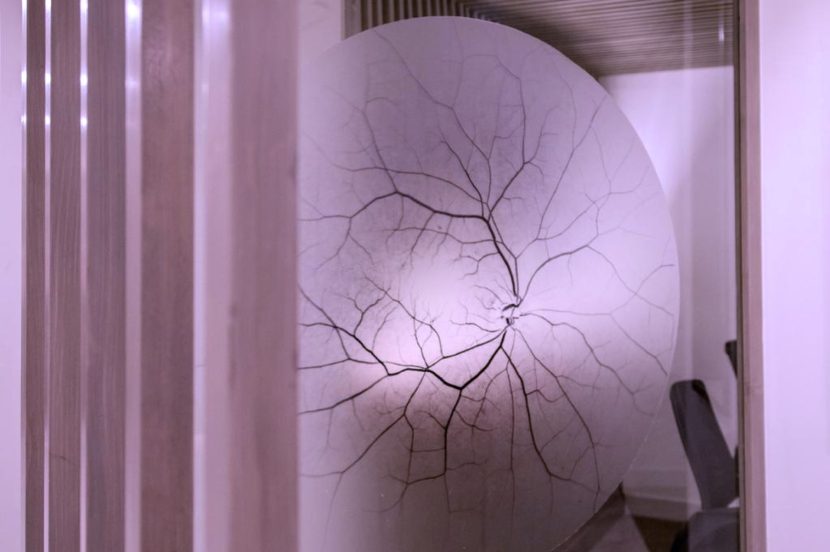
Glaucoma Symptoms in Karachi: Don’t Ignore the Warning Signs

glaucoma treatment options

Glaucoma is one of the leading causes of irreversible blindness worldwide — and Karachi is no exception. Unfortunately, many people don’t realize they have glaucoma until significant vision loss has already occurred. Recognizing early glaucoma symptoms in Karachi and seeking prompt medical advice can make a critical difference in preserving your sight.

Understanding Glaucoma

Glaucoma refers to a group of eye conditions that damage the optic nerve, usually due to increased pressure inside the eye. Over time, this pressure can lead to gradual loss of vision if left untreated. Because glaucoma often develops without obvious symptoms in its early stages, it is sometimes called the “silent thief of sight.”

Common Warning Signs

While early-stage glaucoma may have no noticeable signs, some people experience:

  • Blurred or hazy vision
  • Sudden eye pain or headaches
  • Seeing halos or rainbow-colored rings around lights
  • Gradual loss of peripheral (side) vision
  • Nausea or vomiting in acute cases

If you experience any of these glaucoma symptoms in Karachi, it’s essential not to delay an eye check-up. Early detection through comprehensive eye examinations is the best way to prevent permanent vision loss.

Why Early Diagnosis Matters

Glaucoma damage cannot be reversed—but timely treatment can slow or prevent further vision loss. Regular eye exams, especially for those over 40 or with a family history of glaucoma, are essential for maintaining eye health.


Expert Eye Care in Karachi

If you are unsure whether your symptoms require emergency attention, it is safer to call your healthcare provider or eye clinic for advice.

With Pakistan’s internationally trained and most experienced cataract surgeons, corneal transplant surgeons and eye surgeons specializing in every single sub specialty in ophthalmology, The Eye Center – Dr. Mahnaz Naveed Shah & Associates in Karachi provides guidance for both routine and urgent eye care needs. Their team can advise whether you should schedule a screening or seek immediate attention, ensuring safety and comfort. For expert consultation, contact The Eye Center – Dr. Mahnaz Naveed Shah & Associates at 03041119544 to book an appointment.

With a proven track record of excellence in glaucoma and cataract care, Dr. Mahnaz Shah and her team are here to help you protect your vision—with confidence.