
How Glaucoma Damages Vision: Understanding the Silent Thief of Sight

Glaucoma earns its reputation as the silent thief of sight because it typically progresses without warning until significant vision loss occurs. Understanding how this disease damages your eyes helps emphasize the critical importance of regular screening and early intervention to preserve your precious eyesight.
The Mechanism Behind Vision Loss

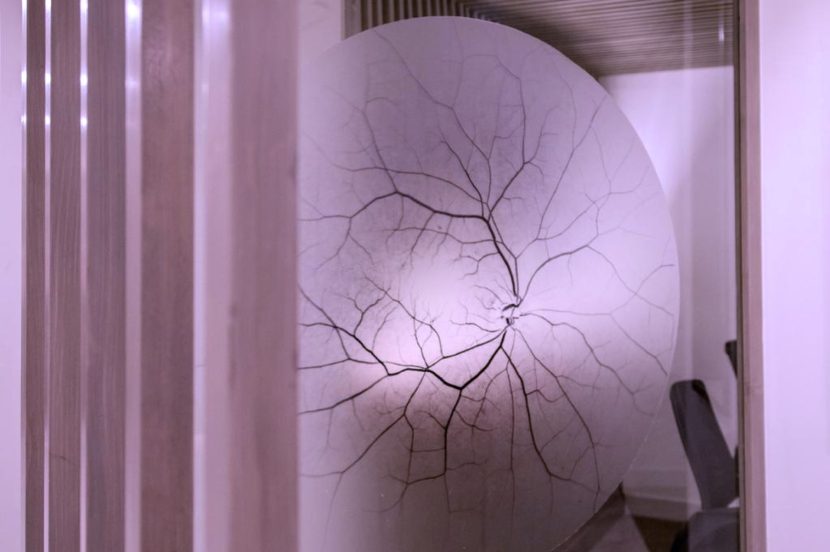
Glaucoma damages the optic nerve, the vital connection transmitting visual information from your eye to your brain. Elevated intraocular pressure often causes this damage, though some patients develop glaucoma despite normal pressure readings. The optic nerve contains over one million delicate nerve fibers that, once destroyed, cannot regenerate. As these fibers deteriorate, blind spots develop in your visual field, gradually expanding until significant vision impairment occurs.

Why Early Damage Goes Unnoticed

Your brain remarkably compensates for early glaucoma damage, filling in small blind spots so effectively that patients remain completely unaware of vision loss. Peripheral vision typically disappears first, while central vision remains sharp until advanced stages. This deceptive progression means many patients only notice symptoms after irreversible damage has occurred, making routine comprehensive eye examinations absolutely essential for detection.

Types and Their Impact

Open-angle glaucoma, the most common form, develops gradually over years. The drainage system within your eye becomes less efficient, causing pressure buildup that slowly damages nerve fibers. Angle-closure glaucoma occurs when drainage passages become suddenly blocked, creating a medical emergency requiring immediate intervention to prevent rapid vision loss and potential blindness.

Secondary glaucoma develops from other conditions including diabetes, eye injuries, or certain medications. Normal-tension glaucoma damages the optic nerve despite acceptable pressure levels, highlighting that comprehensive evaluation extends beyond simple pressure measurements.

Prevention Through Early Detection

Regular dilated eye examinations allow ophthalmologists to detect glaucoma before noticeable symptoms appear. Advanced diagnostic imaging reveals optic nerve changes and visual field loss in earliest stages when treatment most effectively preserves vision. Pressure-lowering medications, laser procedures, or surgical interventions can halt progression, protecting remaining nerve fibers from further damage. While lost vision cannot return, preventing additional deterioration maintains your current visual function and quality of life.


If you are unsure whether your symptoms require emergency attention, it is safer to call your healthcare provider or eye clinic for advice.

At The Eye Center – Dr. Mahnaz Naveed Shah & Associates in Karachi, patients benefit from the care of internationally trained specialists across every sub-specialty of ophthalmology. Led by Dr. Mahnaz Naveed Shah, a highly experienced and dedicated glaucoma specialist with extensive training in advanced eye care, the team provides trusted support for both routine check-ups and urgent eye conditions. They will guide you on whether you need a screening, further investigation, or immediate treatment, always with your safety and comfort in mind. For expert consultation, contact 0304-111-9544 to book an appointment.

With a strong record of excellence in glaucoma and cataract care, Dr. Mahnaz Shah and her team remain committed to helping you protect your vision—with confidence.
Glaucoma Drainage Device Surgery in Karachi: What to Expect

glaucoma risks for diabetics

For patients whose eye pressure remains uncontrolled despite medications or laser treatments, glaucoma drainage device surgery may be the best option. This advanced procedure helps prevent further vision loss by safely lowering intraocular pressure. If you’re considering glaucoma drainage device surgery in Karachi, understanding the process can help you feel prepared and confident.

What Is a Glaucoma Drainage Device?

A glaucoma drainage device—also known as a tube shunt or implant—is a small medical device that helps fluid drain from the eye to maintain normal pressure. It’s recommended when other treatments for glaucoma have not been successful or are no longer effective.

How the Surgery Works

During the procedure, your ophthalmic surgeon places a tiny silicone tube and plate beneath the outer layer of the eye (the conjunctiva). The tube directs excess fluid to a small reservoir, where it is absorbed naturally by surrounding tissues. This effectively reduces pressure inside the eye, protecting the optic nerve from further damage.

The surgery is usually performed under local anesthesia with mild sedation and takes about an hour. Most patients go home the same day.

Recovery and Results

After surgery, your doctor will prescribe eye drops to prevent infection and control inflammation. Vision may be slightly blurry for a few days, but it gradually improves as healing progresses. Regular follow-up visits are essential to monitor eye pressure and ensure the device is functioning properly.

With proper care, glaucoma drainage implants can control eye pressure for many years and reduce dependence on multiple medications.

If you are unsure whether your symptoms require emergency attention, it is safer to call your healthcare provider or eye clinic for advice.


With Pakistan’s internationally trained and most experienced cataract surgeons, corneal transplant surgeons and eye surgeons specializing in every single sub specialty in ophthalmology, The Eye Center – Dr. Mahnaz Naveed Shah & Associates in Karachi provides guidance for both routine and urgent eye care needs. Their team can advise whether you should schedule a screening or seek immediate attention, ensuring safety and comfort. For expert consultation, contact The Eye Center – Dr. Mahnaz Naveed Shah & Associates at 03041119544 to book an appointment.

With a proven track record of excellence in glaucoma and cataract care, Dr. Mahnaz Shah and her team are here to help you protect your vision—with confidence.
Glaucoma Surgery in Karachi: When Is It Needed?

Glaucoma is a progressive eye condition that damages the optic nerve, often due to elevated pressure inside the eye. If left untreated, it can cause irreversible vision loss. While eye drops and medications can control glaucoma in many patients, some cases require glaucoma surgery to protect vision. Understanding when surgery is needed helps patients take timely, informed action.

When Is Glaucoma Surgery Recommended?

Your ophthalmologist may recommend surgery if:

  • Eye pressure remains high despite using prescribed drops or medications
  • Laser treatments have not successfully controlled intraocular pressure (IOP)
  • You experience worsening vision or optic nerve damage
  • You cannot tolerate glaucoma medications due to side effects

Glaucoma surgery helps reduce eye pressure by improving fluid drainage or decreasing fluid production within the eye.

Types of Glaucoma Surgery

There are several modern surgical options available in Karachi:

  1. Trabeculectomy: Creates a new drainage channel to lower eye pressure.
  2. Glaucoma Drainage Implants (Tubes): Small devices inserted to help fluid flow out of the eye safely.
  3. Minimally Invasive Glaucoma Surgery (MIGS): Newer, less invasive procedures that lower pressure with faster recovery.
  4. Laser Trabeculoplasty: A laser is used to open the eye’s natural drainage pathways.

Your ophthalmologist will determine the most suitable procedure based on your specific type of glaucoma and eye health.

Why Early Intervention Matters

Glaucoma damage cannot be reversed, but surgery can prevent further vision loss. Early detection and prompt treatment are key to preserving sight and maintaining quality of life.

If you are unsure whether your symptoms require emergency attention, it is safer to call your healthcare provider or eye clinic for advice.


With Pakistan’s internationally trained and most experienced cataract surgeons, corneal transplant surgeons and eye surgeons specializing in every single sub specialty in ophthalmology, The Eye Center – Dr. Mahnaz Naveed Shah & Associates in Karachi provides guidance for both routine and urgent eye care needs. Their team can advise whether you should schedule a screening or seek immediate attention, ensuring safety and comfort. For expert consultation, contact The Eye Center – Dr. Mahnaz Naveed Shah & Associates at 03041119544 to book an appointment.

With a proven track record of excellence in glaucoma and cataract care, Dr. Mahnaz Shah and her team are here to help you protect your vision—with confidence.
SLT in Karachi: Non-Invasive Glaucoma Treatment Guide

Glaucoma, especially open-angle glaucoma, is a leading cause of vision loss worldwide. If medications are not enough, or are causing side effects, Selective Laser Trabeculoplasty (SLT) offers a non-invasive, effective alternative. Here’s what Karachi patients should know about SLT at The Eye Center – Dr. Mahnaz Naveed Shah & Associates.


What Is SLT?

Selective Laser Trabeculoplasty is a laser procedure that improves your eye’s natural drainage system (the trabecular meshwork). By gently targeting pigmented cells in that drainage pathway, SLT stimulates them to work more efficiently so fluid (aqueous humour) can exit the eye more freely, lowering intraocular pressure (IOP).


Who Is a Good Candidate?

SLT is suited for:

  • Patients with open-angle glaucoma.
  • Those who haven’t achieved sufficient IOP control with drops.
  • Patients wishing to reduce dependence on glaucoma medications, perhaps due to side effects or compliance issues.

Procedure & Recovery

The procedure is outpatient and brief. First, your eye is numbed using drops. A special lens is placed, and then low-energy laser pulses are applied to the trabecular meshwork. You may hear clicking noises or see flashes.

After treatment, mild side effects like redness, slight discomfort, blurred vision or sensitivity to light may occur, usually lasting a few hours to a couple of days. An anti-inflammatory drop might be prescribed. Eye pressure will be monitored, as there is a small risk of temporary pressure rise.


Benefits of SLT

  • Non-invasive: No cuts or stitches; more comfortable and lower risk than surgery.
  • Effective: Can reduce IOP by about 20–30% in many cases.
  • Repeatable: If pressure rises later, SLT may be performed again.
  • Reduced reliance on medications: Helps when drops cause side effects or are difficult to manage.

Risks & Considerations

While SLT is relatively safe, there are risks:

  • Temporary increase in eye pressure immediately after the procedure.
  • Mild inflammation, redness or blurring. Usually resolves with treatment.
  • Rarely more serious complications, but these are very rare.

Why Choose The Eye Center in Karachi

At The Eye Center – Dr. Mahnaz Naveed Shah & Associates, you receive care from internationally trained ophthalmologists specializing in advanced glaucoma therapies. The clinic has the laser technology, experience, and follow-up protocols needed to ensure safety and maximize outcomes. For patients in Karachi, this means access to SLT in a trusted setting.


If you are unsure whether SLT is suitable for you, or whether your symptoms require urgent attention, call your eye clinic for advice.

With Pakistan’s internationally trained and most experienced cataract surgeons, corneal transplant surgeons and eye surgeons specializing in every single sub specialty in ophthalmology, The Eye Center – Dr. Mahnaz Naveed Shah & Associates in Karachi provides guidance for both routine and urgent eye care needs. Their team can advise whether you should schedule a screening or seek immediate attention, ensuring safety and comfort. For expert consultation, contact The Eye Center – Dr. Mahnaz Naveed Shah & Associates at 03041119544 to book an appointment.

With a proven track record of excellence in glaucoma and cataract care, Dr. Mahnaz Shah and her team are here to help you protect your vision—with confidence.

Selective Laser Trabeculoplasty (SLT) in Karachi: Advanced Glaucoma Therapy

Glaucoma is one of the leading causes of preventable blindness worldwide, and early treatment is essential to preserve vision. Among the modern therapies available today, Selective Laser Trabeculoplasty (SLT) has emerged as a safe, effective, and minimally invasive option for reducing intraocular pressure in patients with glaucoma. For those seeking advanced eye care in Karachi, The Eye Center – Dr. Mahnaz Naveed Shah & Associates provides this state-of-the-art treatment, guided by internationally trained specialists.

What is SLT?

SLT is a laser procedure designed to improve the eye’s natural drainage system. By targeting specific pigmented cells in the trabecular meshwork, the laser enhances fluid outflow, thereby lowering intraocular pressure. Unlike traditional surgery, SLT does not involve incisions or sutures, making it a less invasive and more comfortable choice for patients.

Benefits of SLT

  • Minimally Invasive – No cuts or stitches are required.
  • Safe and Effective – Proven to lower eye pressure and reduce the need for glaucoma drops.
  • Repeatable – SLT can be performed again if necessary, offering long-term management.
  • Quick Recovery – Most patients resume normal activities shortly after treatment.

SLT is especially valuable for patients who cannot tolerate eye drops or those who wish to reduce their dependence on daily medications.

SLT at The Eye Center – Karachi

At The Eye Center, patients benefit from the expertise of Dr. Mahnaz Naveed Shah and her team of associates, who bring years of specialized training and experience in advanced glaucoma and cataract care. Their commitment to patient safety ensures that every procedure is performed with precision and compassion.

If you are interested in exploring SLT or other advanced glaucoma treatments, you can book an appointment with The Eye Center for a consultation.


If you are unsure whether your symptoms require emergency attention, it is safer to call your healthcare provider or eye clinic for advice. With Pakistan’s internationally trained and most experienced cataract specialists and surgeons, The Eye Center – Dr. Mahnaz Naveed Shah & Associates in Karachi provides guidance for both routine and urgent eye care needs. Their team can advise whether you need to visit immediately or book a standard appointment, ensuring your safety and comfort. For expert consultation, contact The Eye Center at 03041119544. With a track record of excellence in cataract and glaucoma treatment, Dr. Mahnaz Shah and her team are here to help you see clearly again—with confidence.