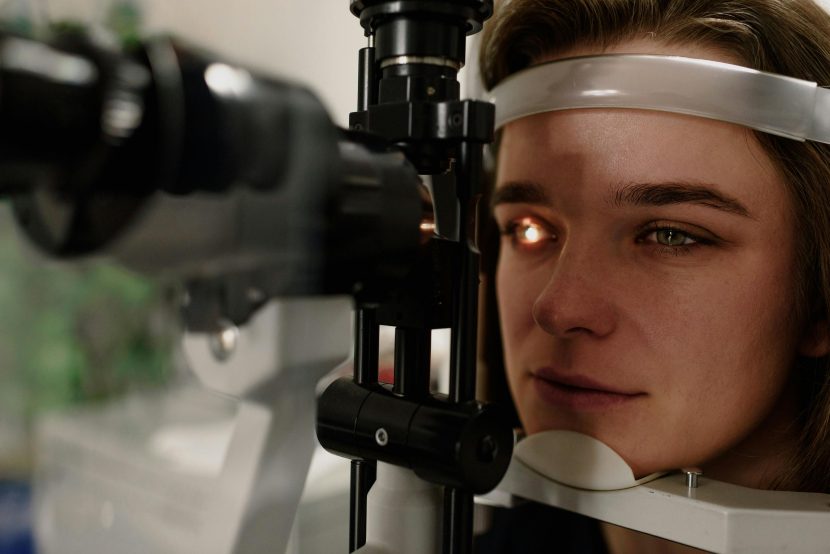
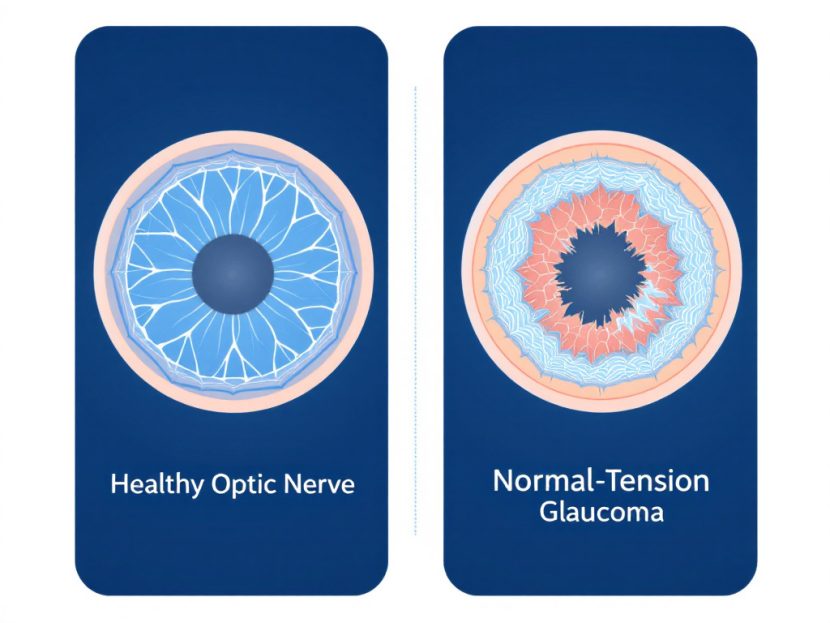
Normal-Tension Glaucoma: When Pressure Isn’t the Problem

Understanding Normal-Tension Glaucoma

Normal-tension glaucoma is a type of glaucoma where optic nerve damage and vision loss occur even when the eye’s intraocular pressure (IOP) is within the normal range. Unlike primary open-angle glaucoma, which is often linked to high eye pressure, normal-tension glaucoma challenges the assumption that pressure is the sole cause of optic nerve damage.

What Causes Normal-Tension Glaucoma?

We still don’t fully understand the exact cause of normal-tension glaucoma. However, several factors likely contribute to its development.

Reduced blood flow to the optic nerve can damage it, even when eye pressure stays normal. Vascular issues, such as low blood pressure or poor circulation, may also play a role. Genetics matter too, as a family history of glaucoma increases your risk. Additionally, conditions like migraines, sleep apnea, or autoimmune diseases might further raise the likelihood of developing it.

Symptoms

Normal-tension glaucoma often shares symptoms with other glaucoma types. You might overlook the gradual loss of peripheral vision until it worsens. In advanced stages, tunnel vision can develop. You may also struggle to see clearly in low light or dim environments.

Diagnosis

Doctors diagnose this condition through a comprehensive eye exam. They use optic nerve imaging to detect damage and visual field tests to assess peripheral vision loss. They also measure intraocular pressure (IOP), which usually remains normal despite optic nerve damage.

Treatment Options

While we cannot cure normal-tension glaucoma, treatments aim to preserve vision and slow progression.

  • Medicated Eye Drops: These help lower IOP, even if it is already normal.
  • Improving Blood Flow: Doctors may recommend treatments or lifestyle changes to enhance circulation to the optic nerve.
  • Regular Monitoring: Frequent eye exams are essential to track the condition and adjust treatment as needed.

If you are unsure whether your symptoms require emergency attention, it is always safer to contact your healthcare provider or eye clinic for guidance.

At The Eye Center – Dr. Mahnaz Naveed Shah & Associates in Karachi, patients benefit from the care of internationally trained specialists across every sub-specialty of ophthalmology. Led by Dr. Mahnaz Naveed Shah, a highly experienced and dedicated glaucoma specialist with extensive training in advanced eye care, the team provides trusted support for both routine check-ups and urgent eye conditions. They will guide you on whether you need a screening, further investigation, or immediate treatment, always with your safety and comfort in mind. For expert consultation, contact 0304-111-9544 to book an appointment.

With a strong record of excellence in glaucoma and cataract care, Dr. Mahnaz Shah and her team remain committed to helping you protect your vision—with confidence.

Can Glaucoma Be Cured? Understanding Your Treatment Options

managing glaucoma

Many people ask, “Can glaucoma be cured?” The short answer is no, but effective treatments can manage it. Glaucoma causes irreversible damage to the optic nerve, usually due to high eye pressure. While we cannot reverse this damage, proper care can slow or halt its progression.

Why Glaucoma Cannot Be Cured

Glaucoma damages the optic nerve, which transmits visual information to the brain. Once these nerve fibers die, they do not regenerate. This makes early detection and treatment crucial to prevent further vision loss.

Treatment Options to Manage Glaucoma

Doctors use several approaches to control glaucoma and preserve vision. Prescription eye drops lower eye pressure by reducing fluid production or improving drainage. Laser therapy, such as trabeculoplasty, enhances drainage in the eye. For advanced cases, surgery like trabeculectomy or drainage implants creates new pathways for fluid to leave the eye.

Lifestyle and Regular Care

Managing glaucoma also involves lifestyle changes. Regular exercise, a healthy diet, and avoiding smoking can support overall eye health. Most importantly, regular eye exams help doctors monitor your condition and adjust treatments as needed.


If you are unsure whether your symptoms require emergency attention, it is always safer to contact your healthcare provider or eye clinic for guidance.

At The Eye Center – Dr. Mahnaz Naveed Shah & Associates in Karachi, patients benefit from the care of internationally trained specialists across every sub-specialty of ophthalmology. Led by Dr. Mahnaz Naveed Shah, a highly experienced and dedicated glaucoma specialist with extensive training in advanced eye care, the team provides trusted support for both routine check-ups and urgent eye conditions. They will guide you on whether you need a screening, further investigation, or immediate treatment, always with your safety and comfort in mind. For expert consultation, contact 0304-111-9544 to book an appointment.

With a strong record of excellence in glaucoma and cataract care, Dr. Mahnaz Shah and her team remain committed to helping you protect your vision—with confidence.
Glaucoma Symptoms: Early Signs You Shouldn’t Ignore

Glaucoma is often called the “sneak thief of sight” because it can slowly damage your vision without warning. Many people don’t realize they have it until it’s too late. Recognizing early glaucoma symptoms to watch for can help you seek treatment before irreversible damage occurs.

early glaucoma symptoms to watch for

The Silent Nature of Glaucoma

Most types of glaucoma, like open-angle glaucoma, develop gradually. In the early stages, there are often no noticeable symptoms. However, as the disease progresses, it begins to affect your peripheral vision. This is why regular eye exams are crucial, especially if you have risk factors like a family history of glaucoma, diabetes, or high blood pressure.


Early Signs to Watch For

One of the first signs of glaucoma is patchy blind spots in your peripheral or side vision. You might also notice tunnel vision, where your field of view narrows over time. These changes can be subtle, so they’re easy to overlook. Some people may also experience mild headaches or eye strain, but these symptoms are often attributed to other causes like stress or fatigue.

In contrast, acute angle-closure glaucoma is a medical emergency. This type can cause sudden symptoms such as severe eye pain, nausea, vomiting, and blurred vision. If you experience these symptoms, seek immediate medical attention to prevent permanent vision loss.


Why Early Detection Matters

Glaucoma damages the optic nerve, which is responsible for transmitting visual information to your brain. Once this damage occurs, it cannot be reversed. However, early detection and treatment can slow or even halt the progression of the disease. This is why it’s so important to be aware of early glaucoma symptoms to watch for and to schedule regular eye exams, especially as you age.


If you are unsure whether your symptoms require emergency attention, it is always safer to contact your healthcare provider or eye clinic for guidance.

At The Eye Center – Dr. Mahnaz Naveed Shah & Associates in Karachi, patients benefit from the care of internationally trained specialists across every sub-specialty of ophthalmology. Led by Dr. Mahnaz Naveed Shah, a highly experienced and dedicated glaucoma specialist with extensive training in advanced eye care, the team provides trusted support for both routine check-ups and urgent eye conditions. They will guide you on whether you need a screening, further investigation, or immediate treatment, always with your safety and comfort in mind. For expert consultation, contact 0304-111-9544 to book an appointment.

With a strong record of excellence in glaucoma and cataract care, Dr. Mahnaz Shah and her team remain committed to helping you protect your vision—with confidence.

Open vs Closed Angle Glaucoma: What You Need to Know

Glaucoma is a leading cause of vision loss, but not all types are the same. The two main forms—open angle and closed angle glaucoma—differ in how they develop, their symptoms, and how urgently they need treatment. Understanding open angle vs closed angle glaucoma differences helps you recognize warning signs and seek the right care.

glaucoma treatment options

Open Angle Glaucoma: The Silent Threat

Open angle glaucoma is the most common type, making up about 90% of cases. It occurs when the eye’s drainage angle remains open, but fluid drains too slowly, causing pressure to build up gradually over time.

Symptoms

  • No early warning signs: Vision loss is painless and happens slowly.
  • Peripheral vision loss is often the first noticeable change.
  • Tunnel vision develops in later stages.

Risk Factors

  • Age over 60.
  • Family history of glaucoma.
  • High eye pressure, thin corneas, or conditions like diabetes.

Treatment

Doctors typically manage open angle glaucoma with:

  • Prescription eye drops to reduce fluid or improve drainage.
  • Laser therapy (such as selective laser trabeculoplasty).
  • Surgery for advanced cases.

Closed Angle Glaucoma: A Medical Emergency

Closed angle glaucoma is less common but far more urgent. It happens when the iris suddenly blocks the drainage angle, causing eye pressure to spike rapidly.

Symptoms

  • Severe eye pain and headaches.
  • Nausea or vomiting.
  • Blurred vision and seeing halos around lights.
  • Red, swollen eyes.

This type is a medical emergency. Without immediate treatment, it can cause permanent vision loss within days.

Risk Factors

  • Farsightedness.
  • Asian or Inuit heritage.
  • Family history of closed angle glaucoma.

Treatment

Closed angle glaucoma requires fast action:

  • Laser iridotomy to create a small opening in the iris and restore fluid flow.
  • Medications to quickly lower eye pressure.
  • Surgery if the blockage persists.

Why the Difference Matters

Open angle glaucoma progresses slowly, often without symptoms until significant vision loss occurs. Regular eye exams are key to early detection and management.

Closed angle glaucoma, however, strikes suddenly and causes intense pain and rapid vision loss. If you experience these symptoms, seek emergency eye care immediately.


If you are unsure whether your symptoms require emergency attention, it is always safer to contact your healthcare provider or eye clinic for guidance.

At The Eye Center – Dr. Mahnaz Naveed Shah & Associates in Karachi, patients benefit from the care of internationally trained specialists across every sub-specialty of ophthalmology. Led by Dr. Mahnaz Naveed Shah, a highly experienced and dedicated glaucoma specialist with extensive training in advanced eye care, the team provides trusted support for both routine check-ups and urgent eye conditions. They will guide you on whether you need a screening, further investigation, or immediate treatment, always with your safety and comfort in mind. For expert consultation, contact 0304-111-9544 to book an appointment.

With a strong record of excellence in glaucoma and cataract care, Dr. Mahnaz Shah and her team remain committed to helping you protect your vision—with confidence.
Surgical Glaucoma Options: What You Need to Know

When Is Glaucoma Surgery Needed?

Glaucoma damages the optic nerve, often due to high eye pressure. If medications or laser treatments fail to control this pressure, surgery may be necessary. The goal is to reduce pressure and prevent further vision loss.

Common Surgical Options for Glaucoma

Trabeculectomy
This common procedure creates a small flap in the eye’s white part (sclera). It allows fluid to drain, reducing pressure. Fluid collects in a hidden reservoir called a bleb. Proper post-op care is essential to prevent infection and ensure healing.

Glaucoma Drainage Implants
For severe glaucoma or failed surgeries, a tiny tube can be inserted. This tube helps drain excess fluid, lowering eye pressure. It’s often used when other treatments aren’t suitable.

Minimally Invasive Glaucoma Surgery (MIGS)
MIGS uses tiny incisions and microscopic tools to improve fluid drainage. It’s less invasive than traditional surgery. Recovery is faster, with fewer complications. MIGS is ideal for mild to moderate glaucoma.

Laser Surgery
Laser treatments like Selective Laser Trabeculoplasty (SLT) improve drainage by targeting specific cells. Cyclophotocoagulation reduces fluid production. Both are outpatient procedures with minimal recovery time.

What to Expect After Surgery

Recovery varies by procedure. Most patients return to normal activities within days or weeks. Use prescribed eye drops to prevent infection and inflammation. Regular follow-ups are crucial to monitor healing and pressure levels.

Choosing the Right Option

The best procedure depends on your glaucoma type, severity, and overall eye health. Your doctor will explain the benefits and risks of each option. This helps you make an informed decision.

If you notice sudden vision changes or severe eye pain, contact your eye care provider immediately. Early intervention is vital for protecting your sight.


At The Eye Center – Dr. Mahnaz Naveed Shah & Associates in Karachi, patients benefit from the care of internationally trained specialists across every sub-specialty of ophthalmology. Led by Dr. Mahnaz Naveed Shah, a highly experienced and dedicated glaucoma specialist with extensive training in advanced eye care, the team provides trusted support for both routine check-ups and urgent eye conditions. They will guide you on whether you need a screening, further investigation, or immediate treatment, always with your safety and comfort in mind. For expert consultation, contact 0304-111-9544 to book an appointment.

With a strong record of excellence in glaucoma and cataract care, Dr. Mahnaz Shah and her team remain committed to helping you protect your vision—with confidence.

Minimally Invasive Glaucoma Surgery (MIGS): A Gentle Modern Option

Minimally Invasive Glaucoma Surgery, often called MIGS, is a modern approach to glaucoma treatment. It helps lower eye pressure while causing less disruption to the eye. Doctors developed MIGS to provide safer surgical options for patients with early to moderate glaucoma.

Glaucoma damages the optic nerve over time. High eye pressure is the most common cause. Doctors usually begin treatment with eye drops or laser therapy. When these options do not provide enough pressure control, surgery may be needed. MIGS offers a gentler alternative to traditional glaucoma surgery.

How MIGS Works to Lower Eye Pressure

MIGS procedures improve the natural drainage of fluid from the eye. Surgeons perform the procedure through very small incisions. This approach limits tissue damage and supports faster healing.

Because MIGS works with the eye’s natural drainage system, it reduces pressure in a controlled and predictable way. Surgeons often perform MIGS at the same time as cataract surgery, which allows patients to address two conditions in one procedure.

Why MIGS Is Considered a Gentler Option

MIGS procedures have a strong safety profile. Patients usually experience less discomfort and a quicker recovery. Serious complications occur far less often than with traditional glaucoma surgery.

Many patients also reduce their dependence on daily eye drops after MIGS. This improvement can make long-term glaucoma care easier and more comfortable.

Who Can Benefit from MIGS?

MIGS works best for patients with mild to moderate glaucoma. It is especially helpful for people who struggle with daily eye drops or experience medication side effects. Patients with advanced glaucoma may still need more traditional surgery.

A detailed eye examination helps determine whether MIGS is suitable. This evaluation includes eye pressure testing, optic nerve assessment, and imaging studies.

Managing Glaucoma with Modern Care

MIGS does not cure glaucoma. However, it plays an important role in slowing disease progression. When doctors choose the right procedure at the right time, MIGS can help protect vision and improve quality of life.

Modern glaucoma care focuses on personalized treatment. MIGS reflects this approach by balancing effectiveness with safety.


If you are unsure whether your symptoms require emergency attention, it is safer to call your healthcare provider or eye clinic for advice.

At The Eye Center – Dr. Mahnaz Naveed Shah & Associates in Karachi, patients benefit from the care of internationally trained specialists across every sub-specialty of ophthalmology. Led by Dr. Mahnaz Naveed Shah, a highly experienced and dedicated glaucoma specialist with extensive training in advanced eye care, the team provides trusted support for both routine check-ups and urgent eye conditions. They will guide you on whether you need a screening, further investigation, or immediate treatment, always with your safety and comfort in mind. For expert consultation, contact 0304-111-9544 to book an appointment.

With a proven track record of excellence in glaucoma and cataract care, Dr. Mahnaz Shah and her team are here to help you protect your vision—with confidence.

Medication Management in Glaucoma: Tips for Daily Use

glaucoma and diabetes connection

Medication management in glaucoma plays a crucial role in slowing disease progression and protecting vision. For many patients, daily eye drops are the first and most important step in glaucoma treatment. When used correctly and consistently, these medications help lower eye pressure and reduce damage to the optic nerve. However, their effectiveness depends heavily on proper daily use.

Glaucoma often has no early symptoms, which can make it challenging for patients to stay motivated with treatment. Even when vision feels normal, damage may still be occurring. This is why understanding how to manage glaucoma medication correctly is essential for long-term eye health.

Why Consistency Matters in Glaucoma Treatment

Glaucoma medications work by either reducing fluid production inside the eye or improving fluid drainage. Missing doses or using drops irregularly allows eye pressure to rise again, increasing the risk of optic nerve damage. Consistent daily use keeps eye pressure stable and helps prevent sudden changes that can worsen vision loss.

Establishing a routine—such as using drops at the same time each day—can make medication management easier and more reliable.

Using Eye Drops Correctly

Proper technique is just as important as consistency. Incorrect drop placement may reduce the amount of medication reaching the eye. Gently pulling down the lower eyelid, instilling one drop, and closing the eye for a short time helps the medication absorb effectively. Avoid touching the bottle tip to the eye to prevent contamination.

If more than one type of eye drop is prescribed, spacing them a few minutes apart allows each medication to work properly.

Managing Side Effects and Challenges

Some glaucoma medications may cause mild side effects such as redness, dryness, or stinging. These effects should be discussed with your eye specialist rather than stopping treatment on your own. Often, adjustments can be made to improve comfort while maintaining eye pressure control.

For patients who struggle with daily drops, alternative options such as laser treatment or surgery may be considered, depending on disease severity.

The Importance of Regular Follow-Up

Medication management in glaucoma is not static. Regular follow-up visits allow eye specialists to monitor eye pressure, optic nerve health, and treatment effectiveness. Changes in medication may be needed over time to maintain optimal control.

Protecting Your Vision Long Term

With proper medication management and regular monitoring, many glaucoma patients maintain good vision throughout their lives. Daily care truly makes a lasting difference.


If you are unsure whether your symptoms require emergency attention, it is safer to call your healthcare provider or eye clinic for advice.

With Pakistan’s internationally trained and most experienced cataract surgeons, corneal transplant surgeons and eye surgeons specializing in every single sub-specialty in ophthalmology, The Eye Center – Dr. Mahnaz Naveed Shah & Associates in Karachi provides guidance for both routine and urgent eye care needs. Their team can advise whether you should schedule a screening or seek immediate attention, ensuring safety and comfort. For expert consultation, contact 0304-111-9544 to book an appointment.

With a proven track record of excellence in glaucoma and cataract care, Dr. Mahnaz Shah and her team are here to help you protect your vision—with confidence.

Glaucoma and Cataracts: Combined Surgery Options in Karachi

Glaucoma and cataracts often occur together, especially in older adults. Glaucoma damages the optic nerve due to high pressure inside the eye, while cataracts cloud the natural lens and blur vision. When both conditions develop at the same time, combined glaucoma and cataract surgery offers a safe, efficient solution. In Karachi, experienced ophthalmologists frequently perform this approach to help patients achieve better vision and long-term eye pressure control.

Why Combine the Procedures?

Combining cataract removal with glaucoma treatment provides several advantages:

  • One surgery instead of two
  • Faster recovery
  • Lower overall risk
  • Better eye pressure control
  • Reduced need for long-term glaucoma medications

Since cataract surgery alone can lower eye pressure slightly, adding a glaucoma procedure enhances the overall outcome.

Types of Combined Surgery

Depending on the severity and type of glaucoma, specialists in Karachi may use:

1. MIGS (Minimally Invasive Glaucoma Surgery)
Procedures such as the iStent, Hydrus implant, or Kahook Dual Blade can be performed during cataract surgery to improve fluid drainage. MIGS is ideal for mild to moderate glaucoma and offers quick recovery.

2. Trabeculectomy with Cataract Surgery
For advanced glaucoma, a trabeculectomy may be combined with cataract removal to create a new drainage pathway. This approach lowers eye pressure more significantly.

3. Glaucoma Drainage Devices (Tubes or Shunts)
Used when other surgeries are not suitable or when previous surgeries have failed.

Your surgeon will choose the best approach based on optic nerve health, pressure levels, and overall eye condition.

What to Expect After Combined Surgery

Recovery is similar to standard cataract surgery but may require closer monitoring. Patients may notice:

  • Clearer vision within a few days
  • Reduced eye pressure
  • Fewer glaucoma drops over time

Follow-up visits are essential to ensure the pressure remains stable and healing progresses safely.

Who Benefits Most from Combined Surgery?

Combined surgery is recommended for patients who:

  • Have visually significant cataracts
  • Require better pressure control
  • Struggle with multiple glaucoma medications
  • Want to reduce the number of surgeries and recovery periods


If you are unsure whether your symptoms require emergency attention, it is safer to call your healthcare provider or eye clinic for advice.

With Pakistan’s internationally trained and most experienced cataract surgeons, corneal transplant surgeons and eye surgeons specializing in every single sub specialty in ophthalmology, The Eye Center – Dr. Mahnaz Naveed Shah & Associates in Karachi provides guidance for both routine and urgent eye care needs. Their team can advise whether you should schedule a screening or seek immediate attention, ensuring safety and comfort. For expert consultation, contact The Eye Center – Dr. Mahnaz Naveed Shah & Associates at 03041119544 to book an appointment.

With a proven track record of excellence in glaucoma and cataract care, Dr. Mahnaz Shah and her team are here to help you protect your vision—with confidence.

Minimally Invasive Glaucoma Surgery (MIGS) in Karachi: A Gentler Approach

Glaucoma is a long-term eye condition that can lead to irreversible vision loss if not properly managed. While traditional surgeries are effective, they can be more invasive and require longer recovery times. Minimally Invasive Glaucoma Surgery (MIGS) has emerged as a gentler, safer alternative for patients in Karachi seeking effective eye pressure control with quicker healing and fewer complications.

What Is MIGS?

MIGS refers to a group of advanced procedures designed to reduce intraocular pressure using microscopic tools and tiny incisions. These techniques enhance the eye’s natural drainage system without the need for large surgical openings.

Because MIGS procedures are less invasive, they offer more comfort and faster recovery—making them ideal for patients with mild to moderate glaucoma.

Benefits of MIGS

Patients undergoing MIGS in Karachi can expect:

  • Small, nearly invisible incisions
  • Lower risk of complications compared to traditional surgery
  • Faster recovery time
  • Improved safety profile
  • Reduced dependence on glaucoma drops
  • The option to combine MIGS with cataract surgery

These advantages make MIGS a popular choice for individuals who want effective pressure control with minimal disruption to daily life.

Types of MIGS Procedures

Common MIGS techniques available in Karachi include:

• iStent or Hydrus Microstent – Tiny implants that improve fluid drainage.
• Kahook Dual Blade (KDB) goniotomy – Removes a small strip of tissue to open the drainage system.
• Trabectome – Helps fluid flow more easily through the eye’s natural channels.

Your glaucoma specialist will recommend the best option based on disease severity and overall eye health.

Who Is a Good Candidate?

MIGS is typically recommended for:

  • Mild to moderate open-angle glaucoma
  • Patients undergoing cataract surgery who also have glaucoma
  • Individuals unable to tolerate long-term glaucoma drops

It may not be suitable for advanced or aggressive glaucoma, where more traditional surgeries may be required.

What to Expect After MIGS

Most patients return to normal activities quickly. Mild redness or discomfort may occur but resolves within days. Eye pressure continues to improve as the eye heals.


If you are unsure whether your symptoms require emergency attention, it is safer to call your healthcare provider or eye clinic for advice.

With Pakistan’s internationally trained and most experienced cataract surgeons, corneal transplant surgeons and eye surgeons specializing in every single sub specialty in ophthalmology, The Eye Center – Dr. Mahnaz Naveed Shah & Associates in Karachi provides guidance for both routine and urgent eye care needs. Their team can advise whether you should schedule a screening or seek immediate attention, ensuring safety and comfort. For expert consultation, contact The Eye Center – Dr. Mahnaz Naveed Shah & Associates at 03041119544 to book an appointment.

With a proven track record of excellence in glaucoma and cataract care, Dr. Mahnaz Shah and her team are here to help you protect your vision—with confidence.

Glaucoma Specialists in Karachi: Finding the Right Care

managing glaucoma

Glaucoma is one of the leading causes of irreversible blindness worldwide, and early diagnosis is the most effective way to protect vision. Because the condition often progresses silently, choosing the right glaucoma specialist in Karachi is essential for timely treatment, accurate monitoring, and long-term eye health.

With advanced diagnostic technology and highly trained ophthalmologists, Karachi offers excellent options for patients seeking expert glaucoma care.

Why You Need a Glaucoma Specialist

Glaucoma is a chronic disease that damages the optic nerve, usually due to high eye pressure. Since symptoms may not appear until significant vision loss has occurred, regular examinations by a specialist are crucial.

A glaucoma specialist can:

  • Identify early changes in the optic nerve
  • Use advanced imaging such as OCT and visual field testing
  • Recommend personalized treatment plans
  • Monitor long-term progression
  • Provide access to medical, laser, or surgical options

Choosing a specialist ensures that changes are detected early—when treatment is most effective.

Available Treatment Options

Depending on the type and severity of glaucoma, a specialist in Karachi may recommend:

  • Medicated eye drops to reduce eye pressure
  • Laser treatment such as Selective Laser Trabeculoplasty (SLT)
  • Minimally Invasive Glaucoma Surgery (MIGS)
  • Trabeculectomy or drainage implants for advanced disease

Laser and minimally invasive procedures have become increasingly common due to their safety and faster recovery.

What to Look for in a Glaucoma Specialist

When choosing a glaucoma specialist in Karachi, consider:

  • Experience with complex and advanced cases
  • Access to modern diagnostic tools (OCT, pachymetry, visual fields)
  • Expertise in medical, laser, and surgical treatments
  • A patient-centered approach with clear explanations and follow-up care

A good specialist will guide you through every step and adjust treatment as needed.

When to Seek Immediate Care

Seek urgent evaluation if you notice sudden eye pain, blurred vision, halos around lights, headache, nausea, or rapid vision loss—these may indicate acute angle closure, a medical emergency.


If you are unsure whether your symptoms require emergency attention, it is safer to call your healthcare provider or eye clinic for advice.

With Pakistan’s internationally trained and most experienced cataract surgeons, corneal transplant surgeons and eye surgeons specializing in every single sub specialty in ophthalmology, The Eye Center – Dr. Mahnaz Naveed Shah & Associates in Karachi provides guidance for both routine and urgent eye care needs. Their team can advise whether you should schedule a screening or seek immediate attention, ensuring safety and comfort. For expert consultation, contact The Eye Center – Dr. Mahnaz Naveed Shah & Associates at 03041119544 to book an appointment.

With a proven track record of excellence in glaucoma and cataract care, Dr. Mahnaz Shah and her team are here to help you protect your vision—with confidence.