
Glaucoma and Diabetes: The Silent Connection You Need to Know About

Why Diabetics Must Watch for Glaucoma

Diabetes doesn’t just affect your blood sugar—it also puts your vision at risk. Studies show that people with diabetes are twice as likely to develop glaucoma, a leading cause of irreversible blindness. This silent connection often goes unnoticed until vision loss occurs
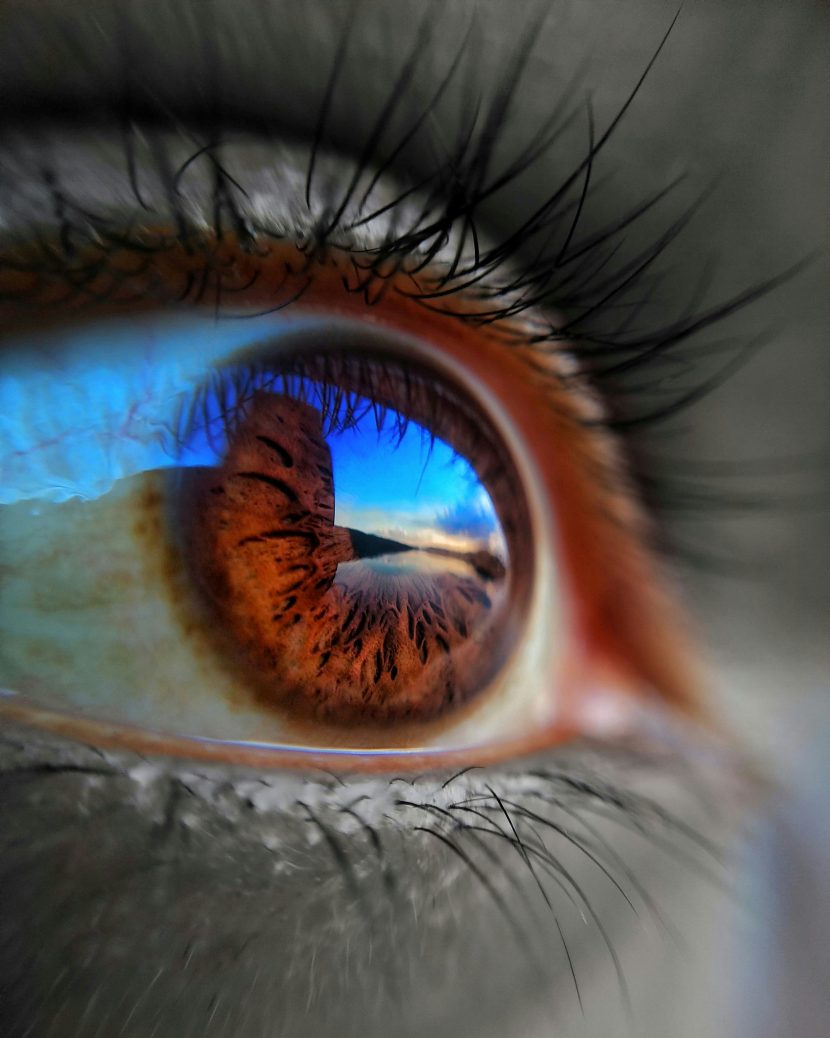
glaucoma treatment options

How Diabetes Damages Your Eyes

High blood sugar damages the tiny blood vessels in your retina, a condition called diabetic retinopathy. Over time, this damage can spread to your optic nerve, increasing intraocular pressure—the primary cause of glaucoma. Unlike other diabetes complications, glaucoma often has no early symptoms, making regular eye exams critical.

The Danger of Uncontrolled Blood Sugar

Poorly managed diabetes accelerates glaucoma progression. Fluctuations in blood sugar levels can:

  • Increase intraocular pressure
  • Worsen optic nerve damage
  • Reduce the effectiveness of glaucoma treatments

How to Protect Your Vision

  1. Schedule Annual Eye Exams
    Early detection is your best defense. Eye specialists use tonometry, visual field tests, and OCT scans to catch glaucoma before it causes damage.
  2. Control Blood Sugar Rigorously
    Consistent blood sugar management slows diabetes-related eye damage. Follow your doctor’s diet, exercise, and medication recommendations.
  3. Quit Smoking
    Smoking restricts blood flow to the eyes, worsening both diabetes and glaucoma.
  4. Monitor Blood Pressure
    High blood pressure compounds glaucoma risk in diabetics.

Don’t Wait for Symptoms

Glaucoma’s early stages are symptom-free. By the time you notice vision changes, permanent damage may have already occurred. If you have diabetes, tell your eye doctor—they can create a personalized monitoring plan to safeguard your vision.

Take control today: Book an eye exam and discuss your diabetes status with your ophthalmologist. Your vision depends on it.


If you are unsure whether your symptoms require emergency attention, it is always safer to contact your healthcare provider or eye clinic for guidance.

At The Eye Center – Dr. Mahnaz Naveed Shah & Associates in Karachi, patients benefit from the care of internationally trained specialists across every sub-specialty of ophthalmology. Led by Dr. Mahnaz Naveed Shah, a highly experienced and dedicated glaucoma specialist with extensive training in advanced eye care, the team provides trusted support for both routine check-ups and urgent eye conditions. They will guide you on whether you need a screening, further investigation, or immediate treatment, always with your safety and comfort in mind. For expert consultation, contact 0304-111-9544 to book an appointment.

With a strong record of excellence in glaucoma and cataract care, Dr. Mahnaz Shah and her team remain committed to helping you protect your vision—with confidence.
How to Slow the Progression of Glaucoma

Glaucoma is a serious eye condition that can lead to irreversible vision loss if left untreated. While there is no cure, it is possible to slow the progression of glaucoma and preserve your vision with the right approach.

regular eye tests for glaucoma detection

Adhere to Your Prescribed Treatment

The foundation of managing glaucoma is following your doctor’s prescribed treatment plan. This may include eye drops to reduce intraocular pressure, oral medications, or laser therapy. Consistency is key—skipping doses or stopping treatment can allow the disease to progress. Always consult your eye specialist before making any changes to your regimen.

Regular Eye Exams Are Essential

High intraocular pressure (IOP) is a primary risk factor for glaucoma progression. Regular eye exams, including tonometry, visual field tests, and OCT scans, help monitor IOP and detect any changes early. These exams are critical for tracking the health of your optic nerve and adjusting treatment as needed.

Lifestyle Adjustments for Eye Health

Certain lifestyle changes can support your treatment and help slow the progression of glaucoma:

  • Diet: Include foods rich in antioxidants, such as leafy greens, fatty fish, and nuts, which support eye health. Limit caffeine and alcohol, as they can increase eye pressure.
  • Exercise: Engage in moderate activities like walking or swimming to improve blood flow to the optic nerve. Avoid heavy lifting, as it can temporarily increase IOP.
  • Eye Protection: Wear safety goggles during activities that could cause eye injury, and use UV-protective sunglasses outdoors.

Manage Underlying Health Conditions

Conditions like diabetes and high blood pressure can impact glaucoma. Work with your healthcare provider to manage these conditions effectively, as controlling blood sugar and blood pressure can help protect your vision.

Avoid Smoking

Smoking reduces blood flow to the eyes and increases the risk of glaucoma progression. Quitting smoking can improve overall eye health and contribute to slowing the disease.

Glaucoma requires lifelong management, but with the right strategies, you can take control of your eye health. By adhering to your treatment plan, attending regular eye exams, and making thoughtful lifestyle adjustments, you can help slow the progression of glaucoma and maintain your quality of life. If you experience any changes in your vision, contact your eye specialist immediately for guidance.


If you are unsure whether your symptoms require emergency attention, it is always safer to contact your healthcare provider or eye clinic for guidance.

At The Eye Center – Dr. Mahnaz Naveed Shah & Associates in Karachi, patients benefit from the care of internationally trained specialists across every sub-specialty of ophthalmology. Led by Dr. Mahnaz Naveed Shah, a highly experienced and dedicated glaucoma specialist with extensive training in advanced eye care, the team provides trusted support for both routine check-ups and urgent eye conditions. They will guide you on whether you need a screening, further investigation, or immediate treatment, always with your safety and comfort in mind. For expert consultation, contact 0304-111-9544 to book an appointment.

With a strong record of excellence in glaucoma and cataract care, Dr. Mahnaz Shah and her team remain committed to helping you protect your vision—with confidence.
Glaucoma and Diabetes: How Are They Connected?

The Link Between Glaucoma and Diabetes

Glaucoma and diabetes are closely connected, as diabetes increases the risk of developing glaucoma. This relationship is due to the impact of high blood sugar on the eyes, particularly the optic nerve and blood vessels.

managing glaucoma and diabetes

How Diabetes Affects Glaucoma Risk

People with diabetes are more likely to develop glaucoma, a condition characterized by optic nerve damage. This happens because diabetes can:

  • Increase fluid production or reduce drainage in the eye, raising intraocular pressure.
  • Damage blood vessels, including those in the eye, contributing to optic nerve issues.
  • Cause neuropathy, which may affect the nerves in the eye.

Shared Risk Factors and Complications

Both conditions share common risk factors, such as age, high blood pressure, and family history. Additionally, diabetes can complicate glaucoma treatment, as some medications may affect blood sugar levels, and healing after surgery may be slower.

Managing Both Conditions Together

To protect your vision when dealing with both glaucoma and diabetes:

  • Control blood sugar levels to reduce the risk of glaucoma progression.
  • Schedule regular eye exams for early detection of glaucoma.
  • Adopt a healthy lifestyle with exercise, a balanced diet, and avoiding smoking.
  • Follow your treatment plans for both diabetes and glaucoma.

If you are unsure whether your symptoms require emergency attention, it is always safer to contact your healthcare provider or eye clinic for guidance.

At The Eye Center – Dr. Mahnaz Naveed Shah & Associates in Karachi, patients benefit from the care of internationally trained specialists across every sub-specialty of ophthalmology. Led by Dr. Mahnaz Naveed Shah, a highly experienced and dedicated glaucoma specialist with extensive training in advanced eye care, the team provides trusted support for both routine check-ups and urgent eye conditions. They will guide you on whether you need a screening, further investigation, or immediate treatment, always with your safety and comfort in mind. For expert consultation, contact 0304-111-9544 to book an appointment.

With a strong record of excellence in glaucoma and cataract care, Dr. Mahnaz Shah and her team remain committed to helping you protect your vision—with confidence.
Normal-Tension Glaucoma: When Pressure Isn’t the Problem

Understanding Normal-Tension Glaucoma

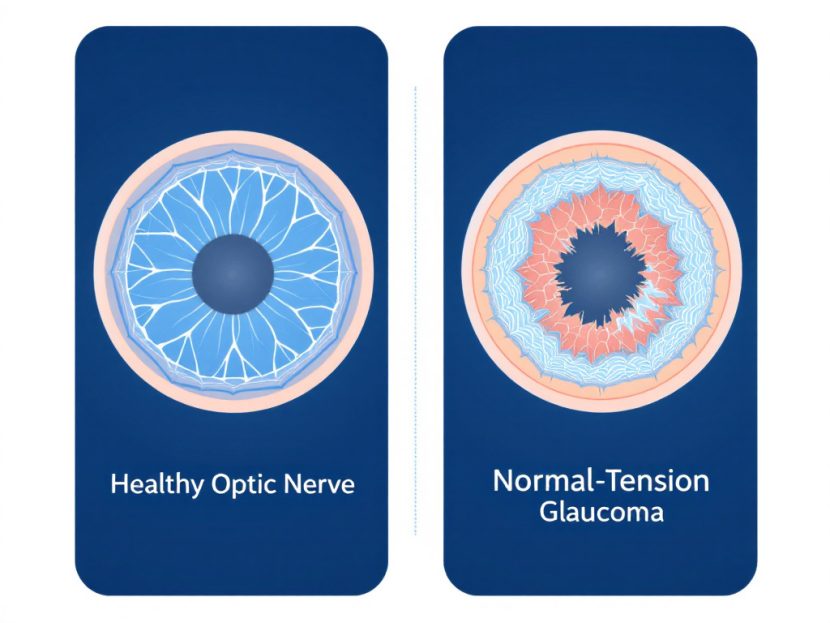
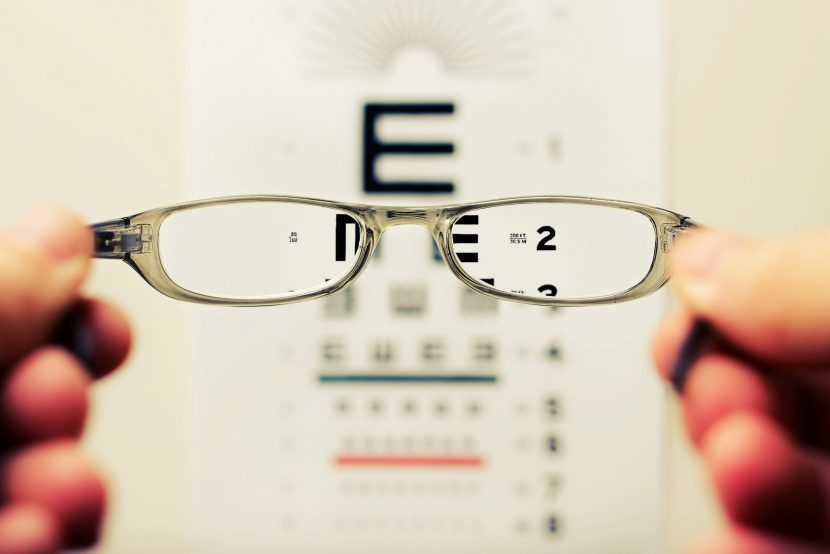
Normal-tension glaucoma is a type of glaucoma where optic nerve damage and vision loss occur even when the eye’s intraocular pressure (IOP) is within the normal range. Unlike primary open-angle glaucoma, which is often linked to high eye pressure, normal-tension glaucoma challenges the assumption that pressure is the sole cause of optic nerve damage.

What Causes Normal-Tension Glaucoma?

We still don’t fully understand the exact cause of normal-tension glaucoma. However, several factors likely contribute to its development.

Reduced blood flow to the optic nerve can damage it, even when eye pressure stays normal. Vascular issues, such as low blood pressure or poor circulation, may also play a role. Genetics matter too, as a family history of glaucoma increases your risk. Additionally, conditions like migraines, sleep apnea, or autoimmune diseases might further raise the likelihood of developing it.

Symptoms

Normal-tension glaucoma often shares symptoms with other glaucoma types. You might overlook the gradual loss of peripheral vision until it worsens. In advanced stages, tunnel vision can develop. You may also struggle to see clearly in low light or dim environments.

Diagnosis

Doctors diagnose this condition through a comprehensive eye exam. They use optic nerve imaging to detect damage and visual field tests to assess peripheral vision loss. They also measure intraocular pressure (IOP), which usually remains normal despite optic nerve damage.

Treatment Options

While we cannot cure normal-tension glaucoma, treatments aim to preserve vision and slow progression.

  • Medicated Eye Drops: These help lower IOP, even if it is already normal.
  • Improving Blood Flow: Doctors may recommend treatments or lifestyle changes to enhance circulation to the optic nerve.
  • Regular Monitoring: Frequent eye exams are essential to track the condition and adjust treatment as needed.

If you are unsure whether your symptoms require emergency attention, it is always safer to contact your healthcare provider or eye clinic for guidance.

At The Eye Center – Dr. Mahnaz Naveed Shah & Associates in Karachi, patients benefit from the care of internationally trained specialists across every sub-specialty of ophthalmology. Led by Dr. Mahnaz Naveed Shah, a highly experienced and dedicated glaucoma specialist with extensive training in advanced eye care, the team provides trusted support for both routine check-ups and urgent eye conditions. They will guide you on whether you need a screening, further investigation, or immediate treatment, always with your safety and comfort in mind. For expert consultation, contact 0304-111-9544 to book an appointment.

With a strong record of excellence in glaucoma and cataract care, Dr. Mahnaz Shah and her team remain committed to helping you protect your vision—with confidence.
The Importance of Eye Pressure: Protecting Your Vision

Eye pressure, or intraocular pressure (IOP), plays a crucial role in maintaining the health of your eyes. It refers to the fluid pressure inside your eye, which keeps its shape and supplies nutrients to the eye’s structures. Understanding the importance of eye pressure helps you recognize potential issues early and take steps to protect your vision.

measuring eye pressure during an eye exam

What Is Eye Pressure?

Eye pressure is the balance of fluid (aqueous humor) produced and drained in your eye. This fluid nourishes the eye and maintains its shape. Normal eye pressure ranges between 10 and 21 millimeters of mercury (mmHg). When this balance is disrupted, it can lead to serious eye conditions, such as glaucoma.


Why Is Eye Pressure Important?

Maintains Eye Health

Proper eye pressure ensures that your eye stays inflated and functions correctly. It helps maintain the shape of the eye and supports the health of the optic nerve, which is essential for clear vision.

Indicates Eye Conditions

Abnormal eye pressure can signal underlying problems:

  • High eye pressure (ocular hypertension): Increases the risk of glaucoma, a leading cause of irreversible vision loss. Glaucoma damages the optic nerve, often without symptoms until vision loss occurs.
  • Low eye pressure (ocular hypotension): Can cause the eye to become soft and may lead to vision problems or structural damage.

How Is Eye Pressure Measured?

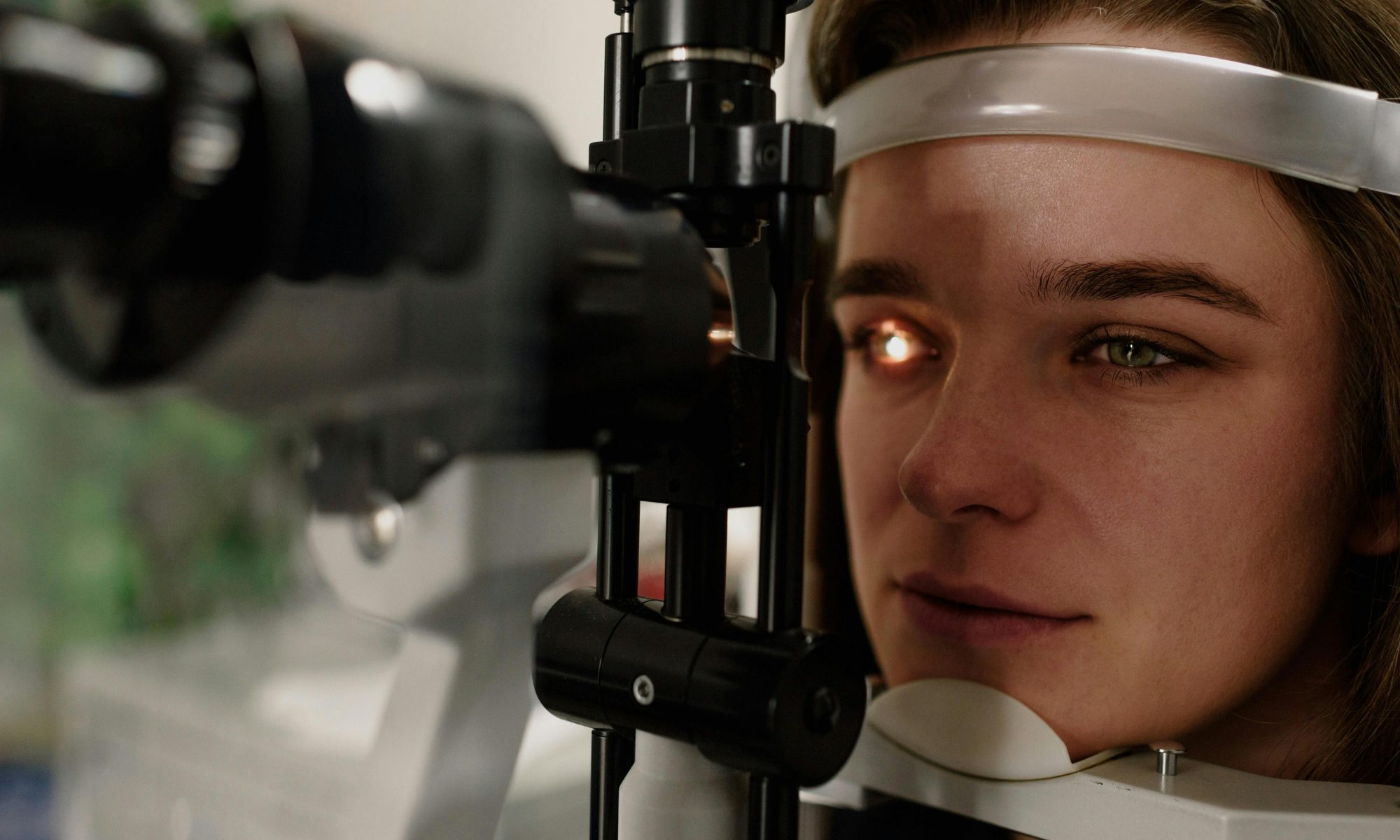
Eye pressure is measured during a comprehensive eye exam using a device called a tonometer. This quick and painless test helps your eye doctor detect early signs of glaucoma or other eye conditions.

Common Tests for Eye Pressure

  • Goldmann applanation tonometry: The most accurate method, often used during routine eye exams.
  • Non-contact tonometry (air puff test): A quick and non-invasive test that measures pressure by gently puffing air onto the eye.
  • Portable tonometers: Used for screening in various settings.

What Affects Eye Pressure?

Several factors can influence eye pressure, including:

  • Age: Eye pressure tends to increase with age.
  • Family history: Genetics can play a role in your risk for high eye pressure.
  • Medical conditions: Diabetes, high blood pressure, and migraines can affect IOP.
  • Medications: Steroids and certain eye drops can raise or lower eye pressure.
  • Eye injuries or surgeries: Trauma or previous eye surgeries may alter fluid drainage.

How to Maintain Healthy Eye Pressure

Regular Eye Exams

Routine eye exams are essential for monitoring eye pressure, especially if you have risk factors for glaucoma. Early detection allows for timely treatment and helps prevent vision loss.

Lifestyle Choices

  • Exercise regularly: Moderate activities like walking or yoga can improve blood flow and reduce eye pressure.
  • Eat a balanced diet: Foods rich in omega-3 fatty acids, leafy greens, and vitamins A, C, and E support eye health.
  • Stay hydrated: Proper hydration helps maintain fluid balance in the eyes.
  • Avoid smoking: Smoking can increase the risk of eye diseases, including glaucoma.

Follow Your Doctor’s Advice

If you have high eye pressure, your doctor may recommend:

  • Prescription eye drops to reduce fluid production or improve drainage.
  • Oral medications to manage pressure.
  • Surgical options for severe cases, such as laser therapy or drainage implants.

If you are unsure whether your symptoms require emergency attention, it is always safer to contact your healthcare provider or eye clinic for guidance.

At The Eye Center – Dr. Mahnaz Naveed Shah & Associates in Karachi, patients benefit from the care of internationally trained specialists across every sub-specialty of ophthalmology. Led by Dr. Mahnaz Naveed Shah, a highly experienced and dedicated glaucoma specialist with extensive training in advanced eye care, the team provides trusted support for both routine check-ups and urgent eye conditions. They will guide you on whether you need a screening, further investigation, or immediate treatment, always with your safety and comfort in mind. For expert consultation, contact 0304-111-9544 to book an appointment.

With a strong record of excellence in glaucoma and cataract care, Dr. Mahnaz Shah and her team remain committed to helping you protect your vision—with confidence.

The Importance of Eye Pressure: Safeguarding Your Vision

early glaucoma symptoms to watch for

Eye pressure, or intraocular pressure (IOP), is the fluid pressure inside your eye that helps maintain its shape and function. Keeping this pressure within a healthy range is crucial for preserving your vision and preventing serious conditions like glaucoma. While many people only think about eye pressure when a problem arises, understanding its role can help you take proactive steps to protect your eyesight.

What Is Eye Pressure?

Eye pressure is created by the balance of fluid production and drainage within your eye. A healthy eye constantly produces a clear fluid called aqueous humor, which nourishes the eye and maintains pressure. Normally, this fluid drains out at the same rate it is produced, keeping pressure stable. The normal range for eye pressure is typically between 10 and 21 mmHg (millimeters of mercury). However, if the drainage system becomes blocked or fluid production increases, pressure can rise to dangerous levels, damaging the optic nerve and leading to vision loss.

Why Is Eye Pressure Important?

Maintaining the right eye pressure is essential for several reasons:

  • Supports Eye Structure: Proper pressure helps keep the eye’s spherical shape, ensuring light focuses correctly on the retina.
  • Prevents Glaucoma: High eye pressure is the primary risk factor for glaucoma, a leading cause of irreversible blindness. When pressure builds up, it can damage the optic nerve, resulting in permanent vision loss if untreated.
  • Detects Early Problems: Regular eye pressure checks can reveal issues before symptoms appear. Many people with high eye pressure (ocular hypertension) do not experience noticeable symptoms until significant damage has occurred.

Risks of Abnormal Eye Pressure

Both high and low eye pressure can harm your vision:

  • High Eye Pressure: If left unchecked, elevated pressure can lead to glaucoma, causing gradual loss of peripheral vision and, eventually, blindness. Factors like genetics, age, diabetes, and steroid use can increase your risk.
  • Low Eye Pressure: While less common, abnormally low pressure (hypotony) can also cause problems, such as blurred vision or structural damage to the eye, especially after surgery or trauma.

How Is Eye Pressure Measured?

Eye pressure is measured during a routine eye exam using a simple, painless test called tonometry. Your eye care specialist may use a puff of air, a small probe, or a device that gently touches your cornea to get an accurate reading. Regular monitoring is key, as pressure can fluctuate throughout the day and change with age or health conditions.

Protecting Your Eye Health

You can help maintain healthy eye pressure by:

  • Scheduling Regular Eye Exams: Comprehensive exams allow your ophthalmologist to track pressure changes and detect early signs of glaucoma or other issues.
  • Managing Chronic Conditions: Conditions like diabetes and high blood pressure can affect eye pressure. Work with your healthcare provider to keep these under control.
  • Adopting a Healthy Lifestyle: Exercise, a balanced diet rich in antioxidants, and avoiding smoking can support overall eye health and reduce pressure-related risks.

When to Seek Help

If you experience sudden vision changes, severe eye pain, or persistent discomfort, contact your eye care provider immediately. Early intervention can prevent permanent damage and help preserve your sight.


If you are unsure whether your symptoms require emergency attention, it is always safer to contact your healthcare provider or eye clinic for guidance.

At The Eye Center – Dr. Mahnaz Naveed Shah & Associates in Karachi, patients benefit from the care of internationally trained specialists across every sub-specialty of ophthalmology. Led by Dr. Mahnaz Naveed Shah, a highly experienced and dedicated glaucoma specialist with extensive training in advanced eye care, the team provides trusted support for both routine check-ups and urgent eye conditions. They will guide you on whether you need a screening, further investigation, or immediate treatment, always with your safety and comfort in mind. For expert consultation, contact 0304-111-9544 to book an appointment.

With a strong record of excellence in glaucoma and cataract care, Dr. Mahnaz Shah and her team remain committed to helping you protect your vision—with confidence.