
Managing Refractive Errors Alongside Glaucoma

The Challenge of Coexisting Conditions

Managing refractive errors alongside glaucoma can be complex. Refractive errors, such as nearsightedness, farsightedness, or astigmatism, affect how light focuses on the retina. Glaucoma, meanwhile, damages the optic nerve, often due to high eye pressure. Both conditions can impact your vision, but they require different approaches to treatment.
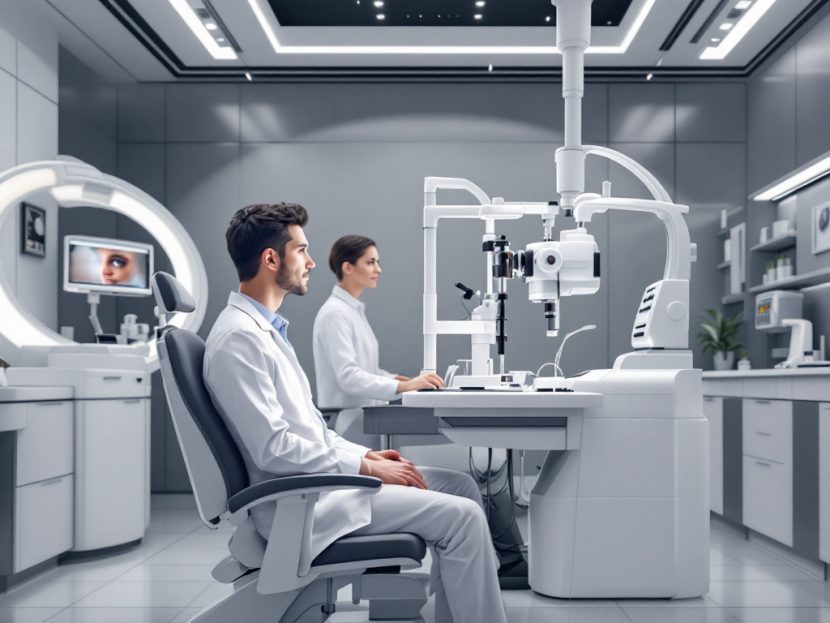
eye specialist performing a test using advanced equipment like a slit lamp

Why Refractive Errors Matter in Glaucoma

Refractive errors can complicate glaucoma management. For example, severe nearsightedness increases the risk of developing glaucoma. Additionally, refractive errors may make it harder to detect glaucoma symptoms early, as blurred vision can be mistaken for a refractive issue rather than a sign of optic nerve damage.

Treatment Options

Glaucoma treatment typically focuses on lowering eye pressure through medications, laser therapy, or surgery. However, refractive errors need separate correction. Glasses or contact lenses can address nearsightedness, farsightedness, or astigmatism. In some cases, refractive surgery, such as LASIK or PRK, may be an option, but it’s essential to discuss the risks with your eye specialist, as these procedures may not be suitable for everyone with glaucoma.

Regular Eye Exams Are Key

Regular eye exams help monitor both refractive errors and glaucoma. Your eye specialist can adjust your treatment plan as needed to ensure both conditions are managed effectively. Early detection and intervention can prevent vision loss and maintain your quality of life.

Work With Your Eye Specialist

Managing refractive errors alongside glaucoma requires a tailored approach. Work closely with your eye specialist to address both conditions. With the right care, you can achieve clearer vision and protect your eye health.


Glaucoma specialist conclusion :

If you are unsure whether your symptoms require emergency attention, it is always safer to contact your healthcare provider or eye clinic for guidance.

At The Eye Center – Dr. Mahnaz Naveed Shah & Associates in Karachi, patients benefit from the care of internationally trained specialists across every sub-specialty of ophthalmology. Led by Dr. Mahnaz Naveed Shah, a highly experienced and dedicated glaucoma specialist with extensive training in advanced eye care, the team provides trusted support for both routine check-ups and urgent eye conditions. They will guide you on whether you need a screening, further investigation, or immediate treatment, always with your safety and comfort in mind. For expert consultation, contact 0304-111-9544 to book an appointment.

With a strong record of excellence in glaucoma and cataract care, Dr. Mahnaz Shah and her team remain committed to helping you protect your vision—with confidence.
Can Glaucoma Be Cured? Understanding Your Treatment Options

Can Glaucoma Be Cured?

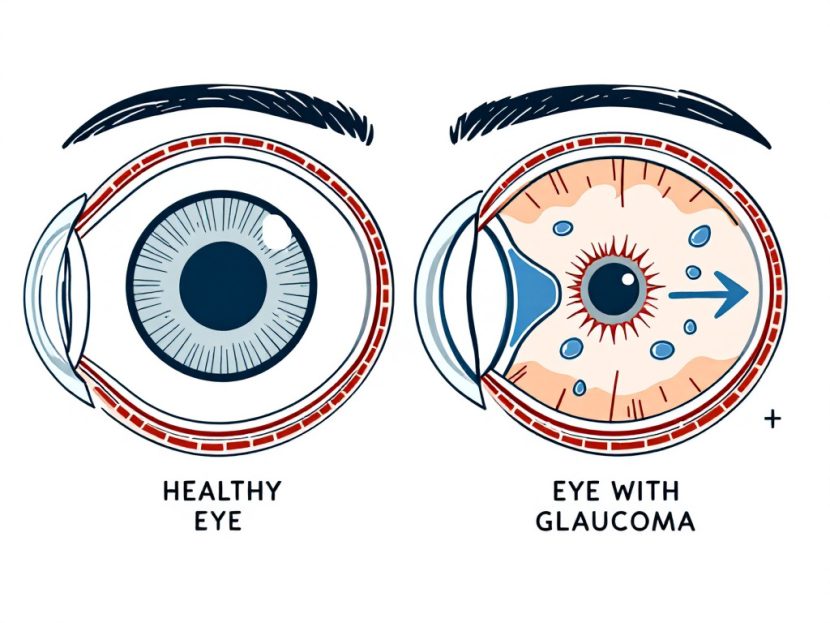
If you’re asking, “Can glaucoma be cured?”, the answer is that there is currently no cure for glaucoma. However, with early detection and proper treatment, you can manage the condition and prevent vision loss. Glaucoma is a group of eye diseases that damage the optic nerve, often due to increased pressure in the eye. While it cannot be reversed, treatments can slow or halt its progression.

Understanding Glaucoma Treatment Options

Although glaucoma cannot be cured, several effective treatment options can help control the disease:

  • Medicated Eye Drops: These are the most common treatment to lower intraocular pressure and prevent optic nerve damage.
  • Oral Medications: In some cases, doctors prescribe oral medications to reduce eye pressure.
  • Laser Therapy: Procedures like selective laser trabeculoplasty (SLT) or laser peripheral iridotomy (LPI) can improve fluid drainage in the eye.
  • Surgery: For advanced cases, surgeries such as trabeculectomy or drainage implants can create new pathways for fluid to leave the eye.

Lifestyle and Management Tips

While glaucoma cannot be cured, lifestyle changes can support your treatment plan:

  • Attend regular eye exams to monitor your condition.
  • Take prescribed medications consistently as directed by your doctor.
  • Exercise regularly to improve blood flow to the optic nerve.
  • Avoid smoking and limit caffeine, as both can increase eye pressure.
  • Wear protective eyewear to prevent injuries that could worsen glaucoma.

If you are unsure whether your symptoms require emergency attention, it is always safer to contact your healthcare provider or eye clinic for guidance.

At The Eye Center – Dr. Mahnaz Naveed Shah & Associates in Karachi, patients benefit from the care of internationally trained specialists across every sub-specialty of ophthalmology. Led by Dr. Mahnaz Naveed Shah, a highly experienced and dedicated glaucoma specialist with extensive training in advanced eye care, the team provides trusted support for both routine check-ups and urgent eye conditions. They will guide you on whether you need a screening, further investigation, or immediate treatment, always with your safety and comfort in mind. For expert consultation, contact 0304-111-9544 to book an appointment.

With a strong record of excellence in glaucoma and cataract care, Dr. Mahnaz Shah and her team remain committed to helping you protect your vision—with confidence.

Can Glaucoma Be Cured? Understanding Your Treatment Options

managing glaucoma

Many people ask, “Can glaucoma be cured?” The short answer is no, but effective treatments can manage it. Glaucoma causes irreversible damage to the optic nerve, usually due to high eye pressure. While we cannot reverse this damage, proper care can slow or halt its progression.

Why Glaucoma Cannot Be Cured

Glaucoma damages the optic nerve, which transmits visual information to the brain. Once these nerve fibers die, they do not regenerate. This makes early detection and treatment crucial to prevent further vision loss.

Treatment Options to Manage Glaucoma

Doctors use several approaches to control glaucoma and preserve vision. Prescription eye drops lower eye pressure by reducing fluid production or improving drainage. Laser therapy, such as trabeculoplasty, enhances drainage in the eye. For advanced cases, surgery like trabeculectomy or drainage implants creates new pathways for fluid to leave the eye.

Lifestyle and Regular Care

Managing glaucoma also involves lifestyle changes. Regular exercise, a healthy diet, and avoiding smoking can support overall eye health. Most importantly, regular eye exams help doctors monitor your condition and adjust treatments as needed.


If you are unsure whether your symptoms require emergency attention, it is always safer to contact your healthcare provider or eye clinic for guidance.

At The Eye Center – Dr. Mahnaz Naveed Shah & Associates in Karachi, patients benefit from the care of internationally trained specialists across every sub-specialty of ophthalmology. Led by Dr. Mahnaz Naveed Shah, a highly experienced and dedicated glaucoma specialist with extensive training in advanced eye care, the team provides trusted support for both routine check-ups and urgent eye conditions. They will guide you on whether you need a screening, further investigation, or immediate treatment, always with your safety and comfort in mind. For expert consultation, contact 0304-111-9544 to book an appointment.

With a strong record of excellence in glaucoma and cataract care, Dr. Mahnaz Shah and her team remain committed to helping you protect your vision—with confidence.