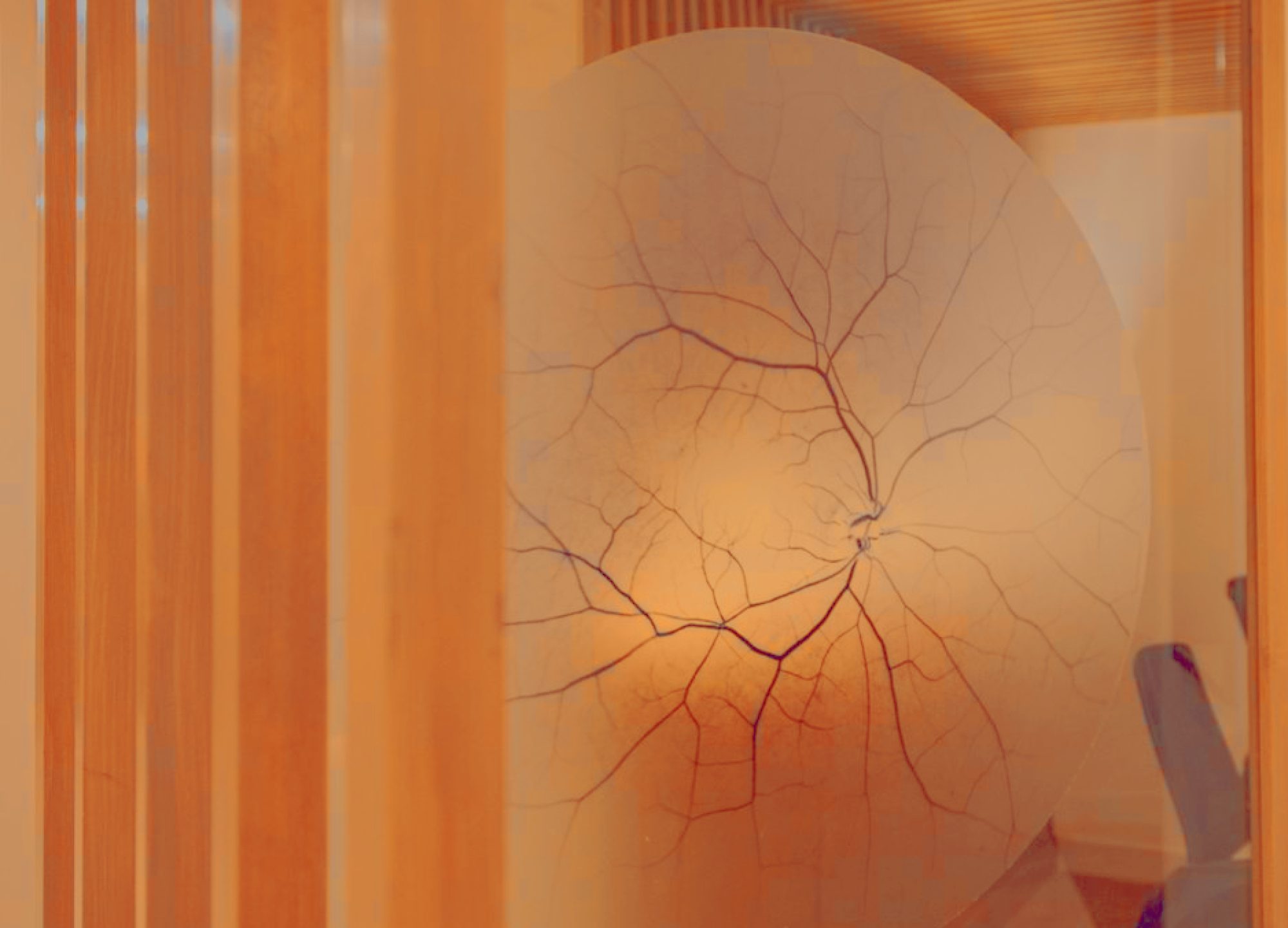
Glaucoma is a leading cause of vision loss, but not all types are the same. The two main forms—open angle and closed angle glaucoma—differ in how they develop, their symptoms, and how urgently they need treatment. Understanding open angle vs closed angle glaucoma differences helps you recognize warning signs and seek the right care.

Open Angle Glaucoma: The Silent Threat
Open angle glaucoma is the most common type, making up about 90% of cases. It occurs when the eye’s drainage angle remains open, but fluid drains too slowly, causing pressure to build up gradually over time.
Symptoms
- No early warning signs: Vision loss is painless and happens slowly.
- Peripheral vision loss is often the first noticeable change.
- Tunnel vision develops in later stages.
Risk Factors
- Age over 60.
- Family history of glaucoma.
- High eye pressure, thin corneas, or conditions like diabetes.
Treatment
Doctors typically manage open angle glaucoma with:
- Prescription eye drops to reduce fluid or improve drainage.
- Laser therapy (such as selective laser trabeculoplasty).
- Surgery for advanced cases.
Closed Angle Glaucoma: A Medical Emergency
Closed angle glaucoma is less common but far more urgent. It happens when the iris suddenly blocks the drainage angle, causing eye pressure to spike rapidly.
Symptoms
- Severe eye pain and headaches.
- Nausea or vomiting.
- Blurred vision and seeing halos around lights.
- Red, swollen eyes.
This type is a medical emergency. Without immediate treatment, it can cause permanent vision loss within days.
Risk Factors
- Farsightedness.
- Asian or Inuit heritage.
- Family history of closed angle glaucoma.
Treatment
Closed angle glaucoma requires fast action:
- Laser iridotomy to create a small opening in the iris and restore fluid flow.
- Medications to quickly lower eye pressure.
- Surgery if the blockage persists.
Why the Difference Matters
Open angle glaucoma progresses slowly, often without symptoms until significant vision loss occurs. Regular eye exams are key to early detection and management.
Closed angle glaucoma, however, strikes suddenly and causes intense pain and rapid vision loss. If you experience these symptoms, seek emergency eye care immediately.
If you are unsure whether your symptoms require emergency attention, it is always safer to contact your healthcare provider or eye clinic for guidance.
At The Eye Center – Dr. Mahnaz Naveed Shah & Associates in Karachi, patients benefit from the care of internationally trained specialists across every sub-specialty of ophthalmology. Led by Dr. Mahnaz Naveed Shah, a highly experienced and dedicated glaucoma specialist with extensive training in advanced eye care, the team provides trusted support for both routine check-ups and urgent eye conditions. They will guide you on whether you need a screening, further investigation, or immediate treatment, always with your safety and comfort in mind. For expert consultation, contact 0304-111-9544 to book an appointment.
With a strong record of excellence in glaucoma and cataract care, Dr. Mahnaz Shah and her team remain committed to helping you protect your vision—with confidence.