Understanding Angle Closure Glaucoma: A Critical Eye Emergency

early glaucoma symptoms to watch for

Angle closure glaucoma is a severe eye condition that can lead to rapid and permanent vision loss if not treated right away. Unlike other types of glaucoma that develop slowly, angle closure glaucoma appears suddenly and progresses quickly. Therefore, early symptom recognition is crucial to prevent vision loss.

What is Angle Closure Glaucoma?

This condition arises when the eye’s natural drainage angle becomes blocked. As a result, fluid cannot drain properly, causing a sharp increase in eye pressure. Consequently, this sudden spike in pressure damages the optic nerve, which is vital for vision. Because the damage can occur within hours, it requires urgent medical attention.

Key Symptoms to Watch For

Symptoms usually begin without warning and are often severe. They include:

  • Intense eye pain
  • Redness and blurred vision
  • Hazy vision
  • Bright lights appearing with halos or rainbow rings
  • Headache
  • Nausea or vomiting (sometimes mistaken for a migraine or stomach illness)
  • Sudden vision drop
  • An unusual hardness or discomfort in one eye

Immediate Action is Crucial

These symptoms should never be ignored. Angle closure glaucoma doesn’t resolve by itself, and delaying treatment can cause irreversible vision loss. Therefore, immediate evaluation by an eye specialist is essential to reduce eye pressure and protect the optic nerve.

Who is at Risk?

While anyone can be affected, certain individuals face higher risks:

  • Those over 40
  • People with a family history of glaucoma
  • Individuals who are farsighted
  • People of Asian descent

However, acute attacks can still occur without known risk factors, emphasizing the importance of symptom awareness.

Preventive Measures

Regular eye exams can help detect narrow drainage angles before they become an emergency. Early identification and preventive treatment can significantly reduce the risk of a sudden attack.

Conclusion

In summary, early diagnosis and prompt treatment are the most effective ways to preserve vision in the face of angle closure glaucoma. Stay aware of the symptoms and ensure regular eye check-ups to safeguard your eye health.


If you are unsure whether your symptoms require emergency attention, it is safer to call your healthcare provider or eye clinic for advice.

At The Eye Center – Dr. Mahnaz Naveed Shah & Associates in Karachi, patients benefit from the care of internationally trained specialists across every sub-specialty of ophthalmology. Led by Dr. Mahnaz Naveed Shah, a highly experienced and dedicated glaucoma specialist with extensive training in advanced eye care, the team provides trusted support for both routine check-ups and urgent eye conditions. They will guide you on whether you need a screening, further investigation, or immediate treatment, always with your safety and comfort in mind. For expert consultation, contact 0304-111-9544 to book an appointment.

With a proven track record of excellence in glaucoma and cataract care, Dr. Mahnaz Shah and her team are here to help you protect your vision—with confidence.

Early Detection of Glaucoma: Protecting Vision Before Damage Occurs

Can Glaucoma Be Detected Before Vision Loss Occurs?

Yes, doctors can often detect glaucoma before vision loss begins. Early detection remains the most powerful way to protect eyesight and prevent permanent damage. Glaucoma is a long-term eye disease that damages the optic nerve, usually because of increased pressure inside the eye. When this nerve becomes damaged, vision slowly starts to fade.

What makes glaucoma especially dangerous is how quietly it develops. Most patients feel their vision is normal in the early stages. Because the changes happen gradually and without pain, many people do not realize they have glaucoma until serious damage has already occurred.

The good news is that modern eye examinations can identify glaucoma long before noticeable vision problems appear.

Why Vision Loss Appears Late in Glaucoma

In the early stages, glaucoma usually affects side vision first. This is called peripheral vision. Because central vision remains clear, patients often believe their eyesight is healthy. At the same time, the brain adjusts to slow changes, making them even harder to notice.

By the time vision loss becomes obvious, damage to the optic nerve is often advanced and permanent. For this reason, relying only on symptoms is not safe.

How Doctors Detect Glaucoma Early

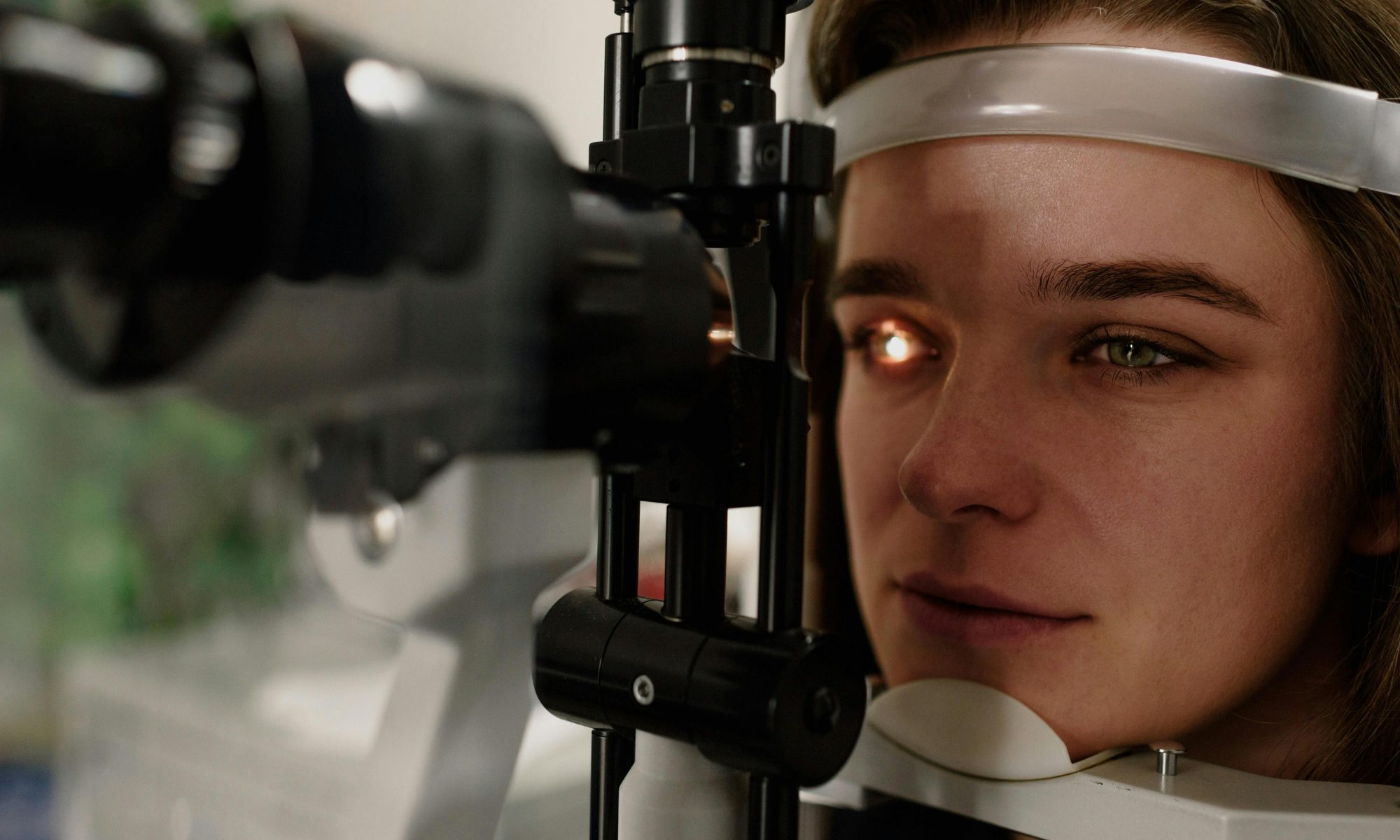
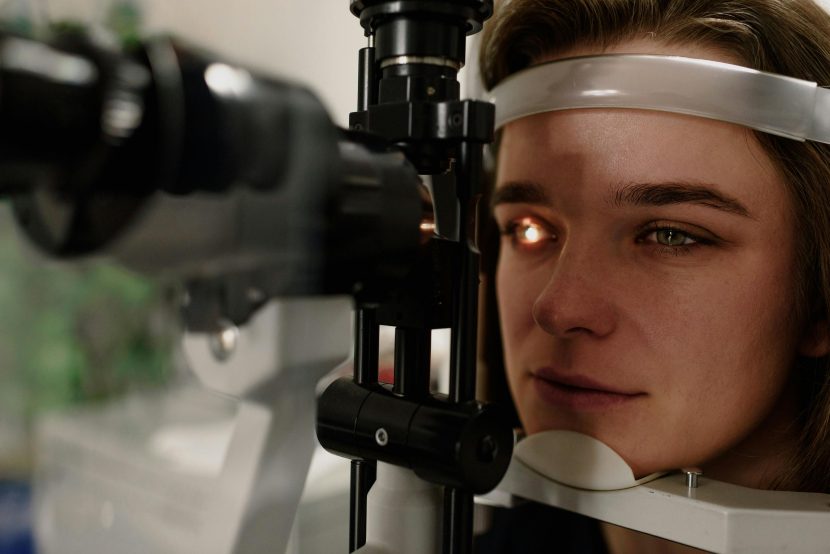
Eye specialists use several tests to find glaucoma in its early stages. They measure eye pressure, examine the optic nerve, and test side vision. Advanced imaging, such as OCT scans, allows doctors to study nerve fibers in great detail.

These tests do not cause pain and take only a short time. They can reveal early disease even when vision still feels normal.

Who Should Have Early Screening?

Regular screening is especially important for people over 40. Those with a family history of glaucoma, diabetes, high short-sightedness, or long-term steroid use also face higher risk. In Pakistan, many patients receive a diagnosis late, which makes routine eye exams even more important.

Why Early Diagnosis Matters

Doctors cannot cure glaucoma, but they can control it. When diagnosed early, treatment with eye drops, laser therapy, or surgery can slow or stop progression. Most patients who start treatment on time keep useful vision for life.

Protecting Your Vision

Regular eye exams remain the only reliable way to detect glaucoma before vision loss occurs. Waiting for symptoms may mean waiting too long. Early care helps protect your independence, safety, and quality of life.


If you are unsure whether your symptoms require emergency attention, it is always safer to contact your healthcare provider or eye clinic for guidance.

At The Eye Center – Dr. Mahnaz Naveed Shah & Associates in Karachi, patients benefit from the care of internationally trained specialists across every sub-specialty of ophthalmology. Led by Dr. Mahnaz Naveed Shah, a highly experienced and dedicated glaucoma specialist with extensive training in advanced eye care, the team provides trusted support for both routine check-ups and urgent eye conditions. They will guide you on whether you need a screening, further investigation, or immediate treatment, always with your safety and comfort in mind. For expert consultation, contact 0304-111-9544 to book an appointment.

With a strong record of excellence in glaucoma and cataract care, Dr. Mahnaz Shah and her team remain committed to helping you protect your vision—with confidence.
Understanding Glaucoma Progression and Vision Loss

early glaucoma symptoms to watch for

Glaucoma is a long-term eye disease that gradually damages the optic nerve, the structure responsible for sending visual signals from the eye to the brain. What makes glaucoma especially dangerous is the way it progresses silently. Many patients are unaware they have the condition until vision loss has already begun. Understanding how glaucoma progresses helps patients recognize why early diagnosis and ongoing care are essential.

How Glaucoma Causes Vision Loss

In most forms of glaucoma, pressure inside the eye increases because fluid does not drain properly. This elevated pressure places stress on the optic nerve over time. As nerve fibers become damaged, vision begins to deteriorate. In some cases, optic nerve damage can occur even when eye pressure appears normal, which is known as normal-tension glaucoma.

Vision loss from glaucoma usually starts in the peripheral, or side, vision. Because central vision remains clear in the early stages, patients often do not notice changes right away. As the disease advances, the visual field gradually narrows, and untreated glaucoma can eventually affect central vision as well.

Why Glaucoma Progression Often Goes Unnoticed

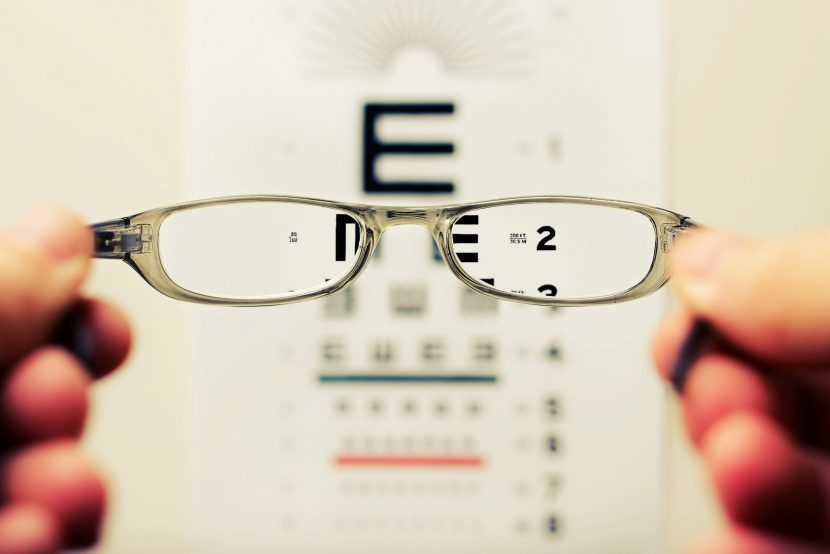
Glaucoma typically develops slowly and without pain. There are usually no early warning signs, which is why routine eye examinations are so important. By the time symptoms such as blurred vision or difficulty navigating appear, significant optic nerve damage may already be present.

Once vision is lost due to glaucoma, it cannot be restored. However, progression can often be slowed or stopped with proper treatment.

Factors That Influence Disease Progression

The rate at which glaucoma progresses varies from person to person. Factors such as eye pressure levels, age, family history, diabetes, and how early treatment begins all influence outcomes. Missing follow-up visits or not using prescribed eye drops regularly can also accelerate vision loss.

How Progression Is Monitored

Eye specialists monitor glaucoma using eye pressure measurements, optic nerve examinations, visual field testing, and imaging such as OCT scans. These tools allow doctors to detect even small changes over time and adjust treatment when necessary.

Protecting Vision Over Time

Although glaucoma cannot be cured, early diagnosis and consistent treatment can preserve useful vision for life. With proper monitoring and care, many patients maintain good vision and quality of life.


If you are unsure whether your symptoms require emergency attention, it is safer to call your healthcare provider or eye clinic for advice.

With Pakistan’s internationally trained and most experienced cataract surgeons, corneal transplant surgeons, and eye surgeons specializing in every single sub-specialty in ophthalmology, The Eye Center – Dr. Mahnaz Naveed Shah & Associates in Karachi provides expert guidance for both routine and urgent eye care needs. Their team can advise whether you should schedule a screening or seek immediate attention, ensuring safety and comfort. For expert consultation, contact 0304-111-9544 to book an appointment.

With a proven track record of excellence in glaucoma and cataract care, Dr. Mahnaz Shah and her team are here to help you protect your vision—with confidence.