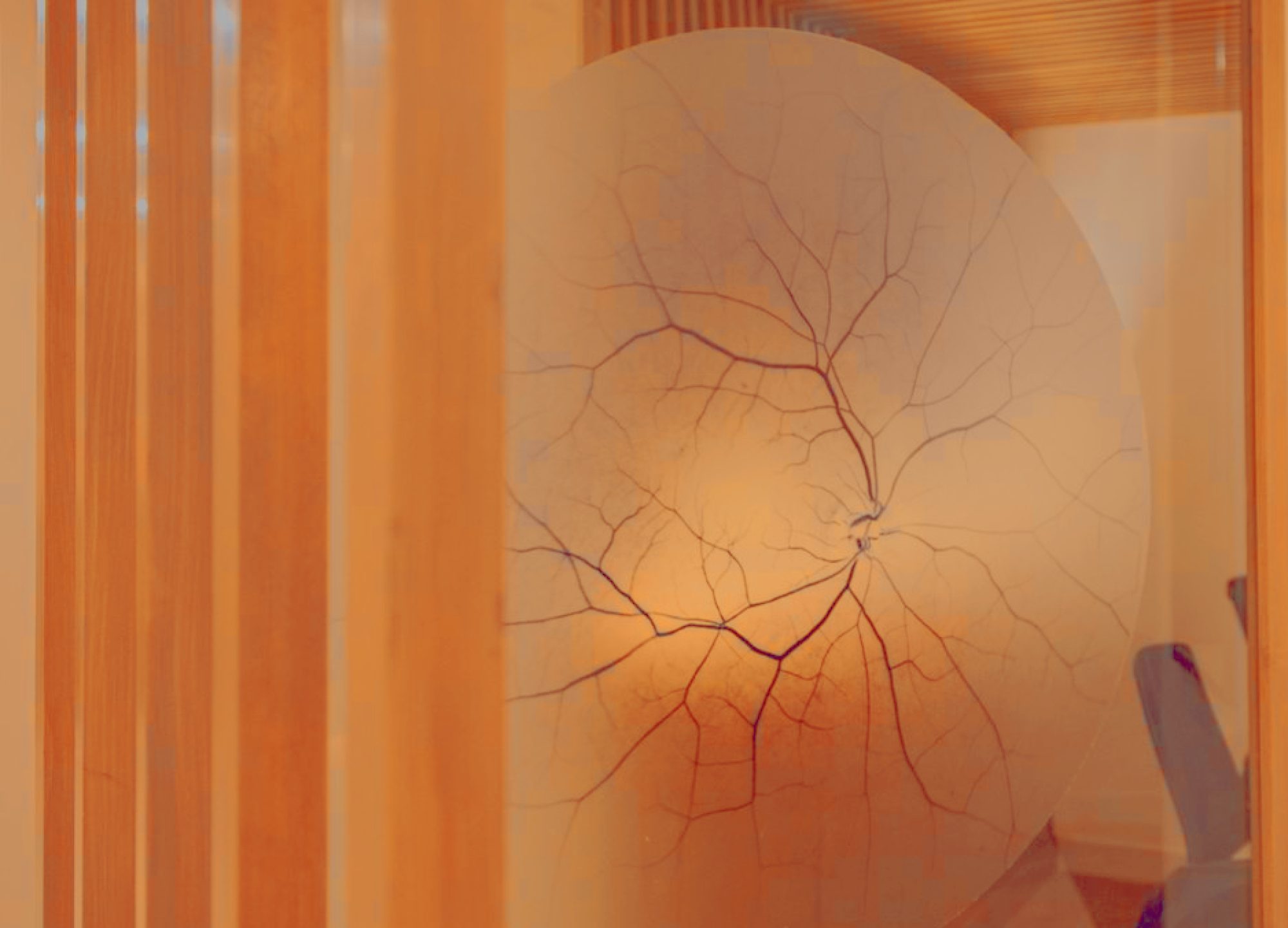
Why Glaucoma Testing Matters
Glaucoma is a group of eye diseases that damage the optic nerve, often due to increased pressure inside the eye. If left untreated, it can lead to permanent vision loss. Early detection through regular testing is crucial, as glaucoma often has no noticeable symptoms in its early stages.
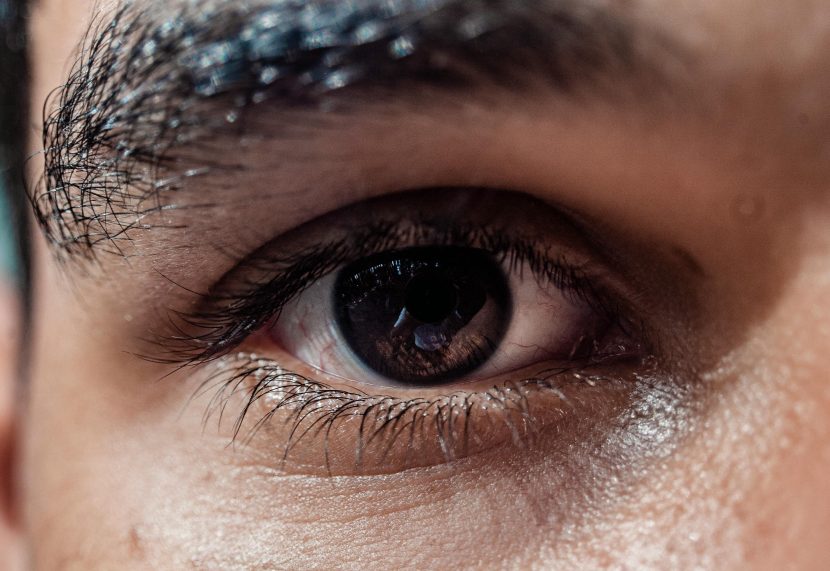
Common Glaucoma Testing Methods
Tonometer Test (Eye Pressure Check)
This test measures the pressure inside your eye, known as intraocular pressure (IOP). A small device gently touches your eye after numbing drops are applied. High IOP is a key risk factor for glaucoma.
Optic Nerve Imaging
Your eye doctor will examine the optic nerve at the back of your eye. This can be done using a special magnifying lens or advanced imaging technology, such as Optical Coherence Tomography (OCT). These images help detect any damage or changes to the optic nerve.
Visual Field Test
This test checks for areas of vision loss. You will look straight ahead and indicate when you see small flashes of light in your peripheral vision. It helps identify blind spots that may indicate glaucoma damage.
Pachymetry (Corneal Thickness Measurement)
This test measures the thickness of your cornea. Thinner or thicker corneas can affect eye pressure readings, so this information helps your doctor interpret your IOP results more accurately.
Gonioscopy (Angle Test)
Your doctor uses a special lens to examine the drainage angle of your eye. This helps determine whether the angle is open or closed, which influences the type of glaucoma you may have.
What to Expect During Testing
Glaucoma testing is painless and non-invasive. Your doctor may use numbing eye drops to ensure your comfort. The entire process usually takes less than 30 minutes, and you can resume normal activities immediately afterward.
When to Get Tested
Regular glaucoma testing is recommended for everyone over the age of 40, especially if you have a family history of glaucoma, diabetes, or high blood pressure. Early detection and treatment can help preserve your vision and prevent further damage.
If you are unsure whether your symptoms require emergency attention, it is always safer to contact your healthcare provider or eye clinic for guidance.
At The Eye Center – Dr. Mahnaz Naveed Shah & Associates in Karachi, patients benefit from the care of internationally trained specialists across every sub-specialty of ophthalmology. Led by Dr. Mahnaz Naveed Shah, a highly experienced and dedicated glaucoma specialist with extensive training in advanced eye care, the team provides trusted support for both routine check-ups and urgent eye conditions. They will guide you on whether you need a screening, further investigation, or immediate treatment, always with your safety and comfort in mind. For expert consultation, contact 0304-111-9544 to book an appointment.
With a strong record of excellence in glaucoma and cataract care, Dr. Mahnaz Shah and her team remain committed to helping you protect your vision—with confidence.